Top 10 Automation System Design Trends in China You Should Know?
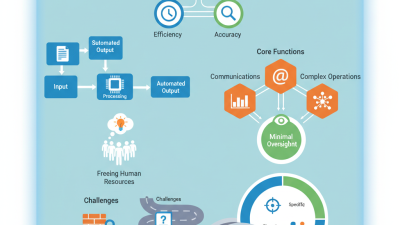
In recent years, automation system design has gained significant traction in China. As industries evolve, integrating automation becomes essential for efficiency and innovation. Companies are investing in advanced technologies to streamline processes and enhance productivity. The trends shaping this landscape are varied and impactful.
One major trend is the rise of smart manufacturing. This approach uses interconnected devices to optimize production flows. Companies are also exploring artificial intelligence integration into their automation systems. This allows for data-driven decision-making and predictive maintenance. The shift towards sustainable solutions is another noteworthy aspect. Businesses are seeking eco-friendly automation designs to minimize their environmental footprint.
However, the rapid pace of change presents challenges. Organizations must continually adapt to new technologies and market demands. Additionally, there are concerns about the skills gap in automation system design. Bridging this gap is vital for maximizing the benefits of this technological revolution. Understanding these trends is essential for staying competitive in the evolving landscape of automation in China.

Overview of Automation System Design Trends in China's Industry
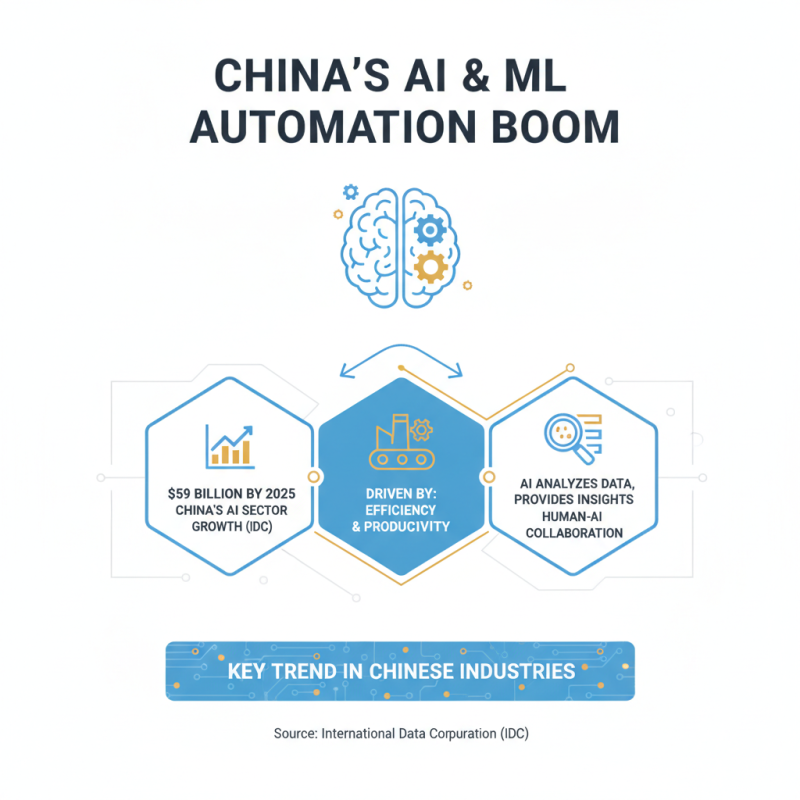
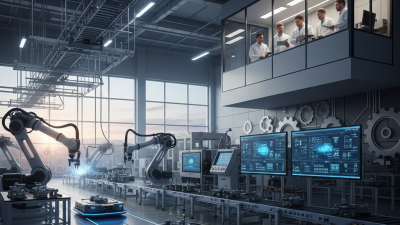
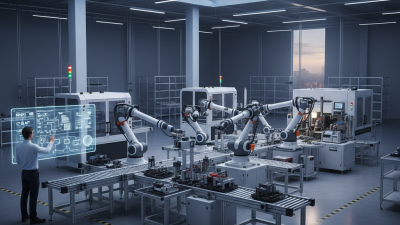
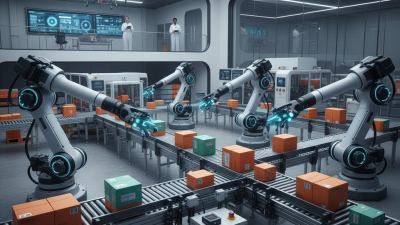
In recent years, the automation system design landscape in China has undergone significant changes. Innovations are emerging in various industries, focusing on efficiency and cost reduction. Companies are adopting advanced technologies, such as AI and IoT, to streamline operations. This shift is creating smarter factories that enhance productivity and resource management.
Tips: Assess your current operations. Identify bottlenecks and areas that could benefit from automation.
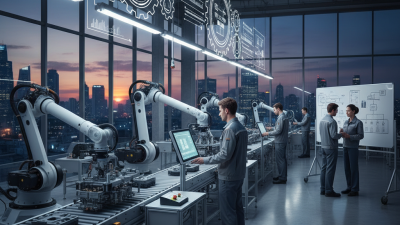
Collaboration between tech providers and manufacturers has become crucial. Many businesses seek customized solutions tailored to their specific needs. This requires a deep understanding of the industry and its challenges. As the demand for automation grows, the importance of skilled talent also rises. Companies must invest in training and development to keep pace.
Tips: Foster a culture of continuous learning. Encourage your team to explore new tools and methodologies.
Sustainability is another trend reshaping automation design. Industries are focusing on reducing energy consumption and waste. Smart technologies help track resource usage and optimize performance. However, the path to sustainable automation isn’t always clear. Companies must confront challenges in integrating new systems with legacy infrastructure.
Tips: Evaluate environmental impacts. Make sustainability a priority in your design process.
Growth of Industrial IoT in Enhancing Automation Efficiency
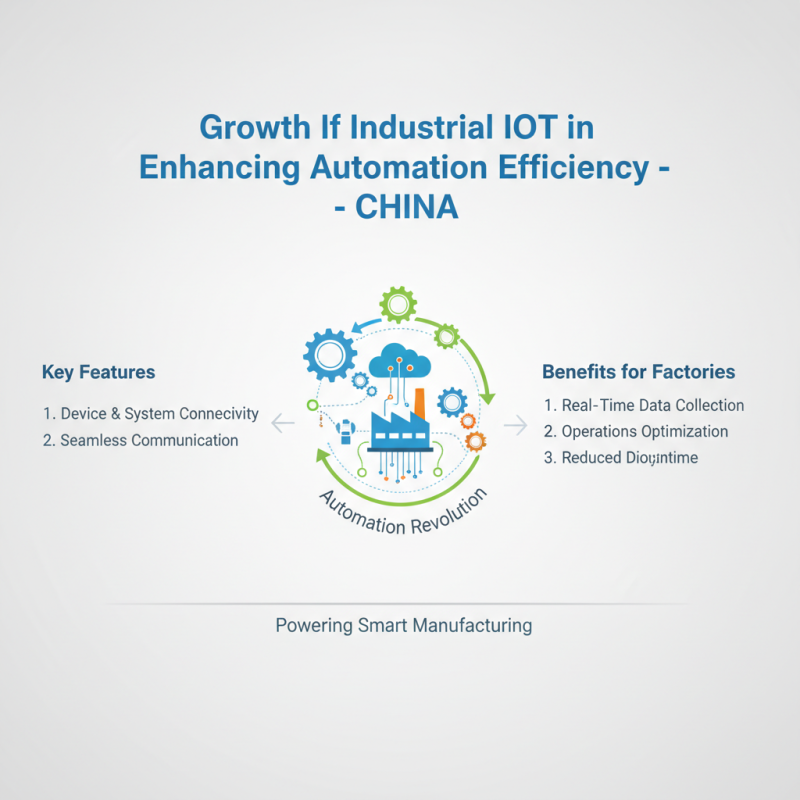
The growth of Industrial IoT is revolutionizing automation efficiency in China. This technology connects devices and systems, enabling seamless communication. Factories can now gather real-time data from machinery, optimizing operations and reducing downtimes.
Consider how predictive maintenance can transform your setup. Instead of waiting for a machine to fail, IoT sensors alert you to potential issues. This proactive approach decreases costs and improves reliability.
Automation also fosters better decision-making. Managers can analyze data trends and adjust processes instantly. As data becomes more robust, the potential for innovation increases. Embracing this technology is essential. Beware, though; the rapid evolution of IoT can be overwhelming. Companies need to prioritize training and adaptation to harness these advancements effectively.
Adoption of Cloud Computing for Scalable Automation Solutions
The adoption of cloud computing is transforming automation solutions in China. Businesses are increasingly embracing cloud platforms for their scalability and flexibility. This shift allows firms to grow without the constraints of physical infrastructure. Companies can deploy automation tools quickly, adapting to changes in demand with ease.
**Tip:** Start small. Implement cloud solutions incrementally to minimize risks. This approach allows teams to learn and adjust before fully committing resources.
Furthermore, cloud computing aids in real-time data analysis. Automation systems can process information faster than before. This capability leads to better decision-making and enhanced operational efficiency. Businesses can monitor processes continuously, identifying issues before they escalate.
**Tip:** Ensure robust data security. As you transition to cloud solutions, prioritize protecting sensitive information. Regular audits can help mitigate potential vulnerabilities.
While moving to cloud-based systems offers many benefits, challenges exist. Many businesses struggle with integration and employee training. Without proper guidance, the transition could disrupt daily operations. Investing in professional development is crucial to overcoming these obstacles.
Focus on Cybersecurity in Automation System Development and Design
In today's fast-paced automation landscape in China, cybersecurity has become a top priority in system design and development. As more devices connect and become interconnected, the risk of cyber threats increases significantly. Automation systems, ranging from industrial robots to smart home devices, are now susceptible to hacking and data breaches. Addressing these vulnerabilities is crucial for maintaining the integrity of operations and protecting sensitive data.
Implementing robust cybersecurity measures requires a multifaceted approach. System designers must consider threat modeling, risk assessment, and continuous monitoring. For instance, encryption techniques can safeguard data transmission, while regular software updates can fix potential vulnerabilities. Many developers still overlook these essential practices, leading to unprotected systems. The design phase should integrate cybersecurity from the outset, not as an afterthought, to build resilient systems.
This ongoing focus on cybersecurity also challenges developers to stay up-to-date with emerging threats. With cyberattacks evolving rapidly, knowledge in this field must be continually enhanced. Through collaboration and education, professionals can create a stronger defense against potential risks. Consequently, the design of automation systems must not only fulfill functional requirements but also prioritize security to build trust with users.
Top 10 Automation System Design Trends in China (2023)