How to Choose the Right Manufacturing Automation Systems?
In today’s fast-paced industrial landscape, choosing the right manufacturing automation systems is crucial for success. These systems can streamline processes, improve product quality, and enhance efficiency. However, the variety of options available can be overwhelming. It’s essential to consider various factors before making a decision.
Evaluating the specific needs of your manufacturing operation lays a solid foundation. Identify the processes that require automation. Analyze existing workflows and pinpoint inefficiencies. These insights help narrow down choices. Additionally, consider scalability. As technology evolves, your systems should adapt to new advancements.
Engage with suppliers and seek expert advice. Their knowledge can guide you in selecting the most suitable solutions. However, remember that not every system fits every situation. Awareness of potential pitfalls is key. The wrong choice can lead to wasted investments and operational setbacks. By reflecting on these aspects, you can make more informed decisions.
Understanding Manufacturing Automation Systems: An Overview
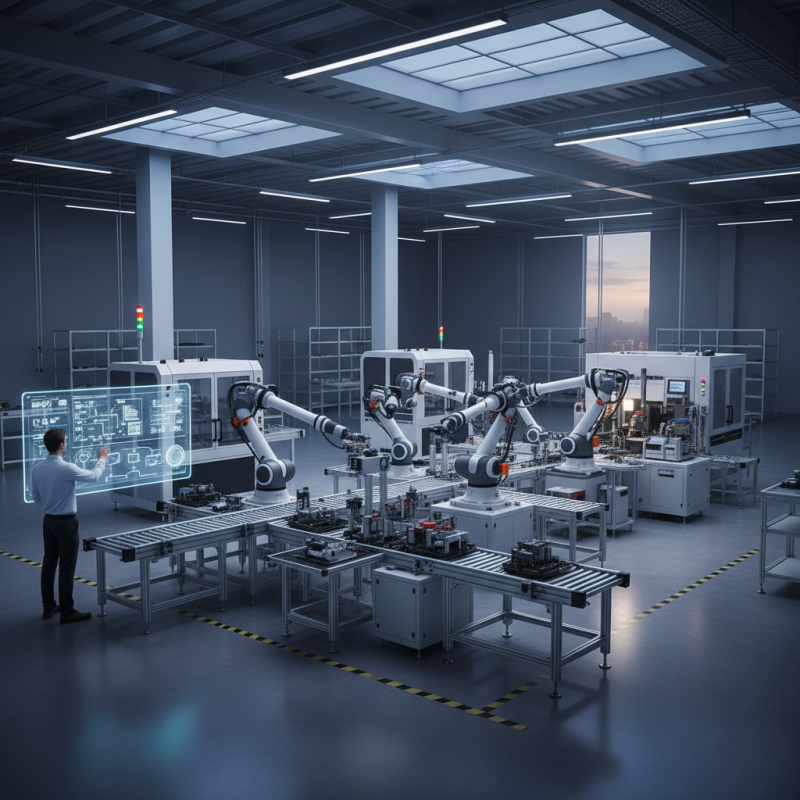
Manufacturing automation systems play a crucial role in modern production environments. These systems can enhance efficiency, reduce human error, and improve product quality. Understanding their components and functionalities is essential for successful implementation. At their core, automation systems involve machinery, sensors, and control software, each working together to streamline processes.
Selecting the right system is challenging. It requires a deep understanding of specific manufacturing needs and capabilities. An effective solution must align with production goals and workforce skills. Many businesses underestimate the importance of user training and system integration. Inadequate preparation can lead to operational failures. This highlights the need for comprehensive evaluation before choosing a system. Observing others in the industry can provide valuable insights but may also lead to mimicry without understanding true requirements.
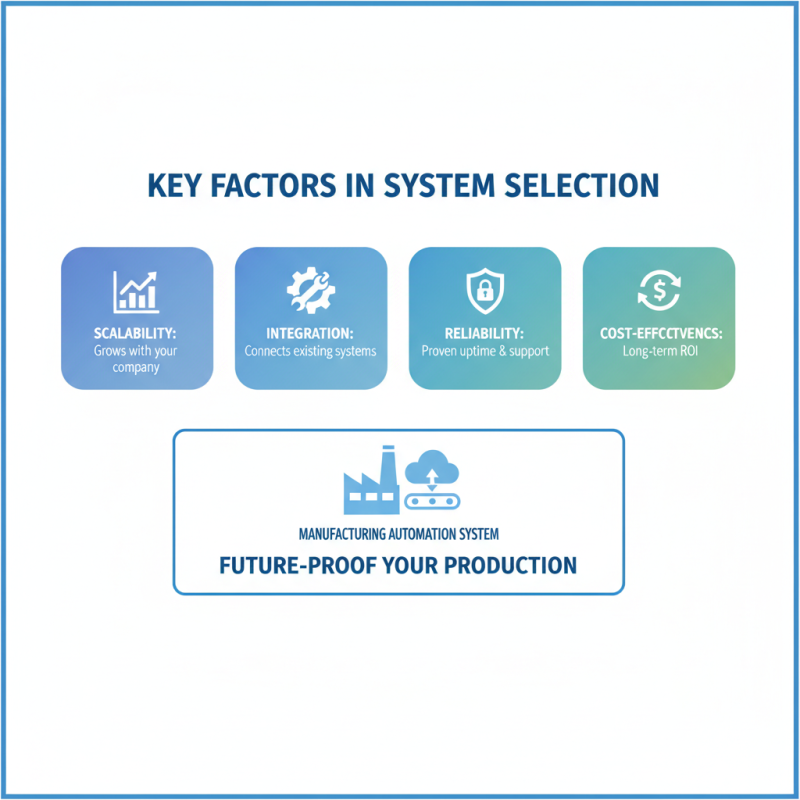
Pay attention to specific features like scalability and flexibility. These traits determine how well a system can adapt to changing market demands. Also, consider ongoing support and maintenance services. These elements are vital for long-term success. Relying solely on initial performance metrics can be misleading. Continuous assessment and adjustments are key in a rapidly evolving manufacturing landscape.
Assessing Your Manufacturing Needs and Goals
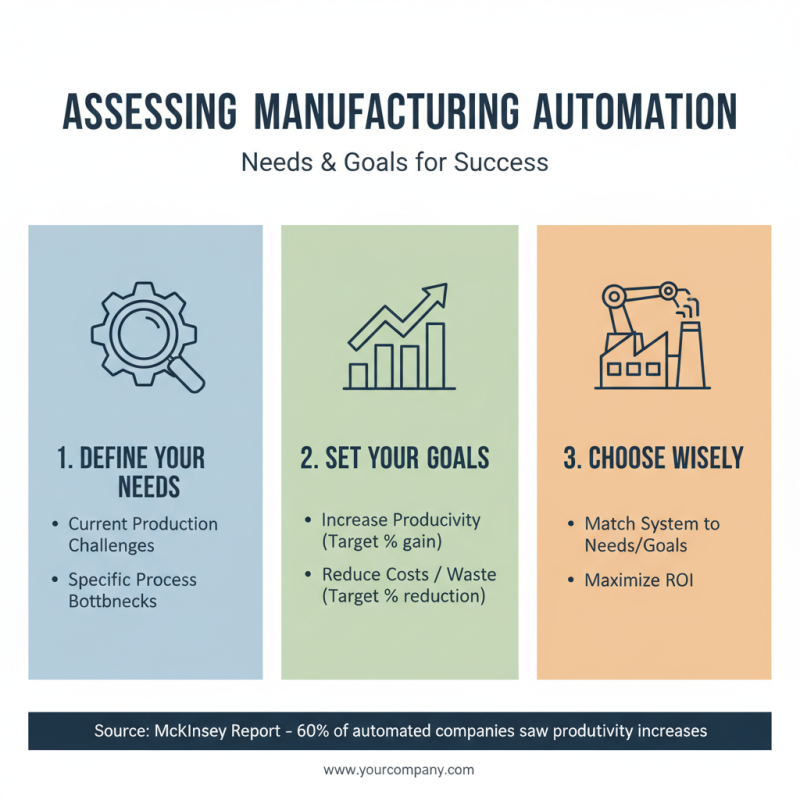
Choosing the right manufacturing automation system requires a clear assessment of your needs and goals. According to a report by McKinsey, about 60% of companies that implemented automation saw productivity increases. Understanding your specific requirements is crucial for maximizing these benefits.
Evaluate your production processes and identify bottlenecks. Consider metrics such as production speed and quality control. You may need different solutions for different stages of production. For instance, robotics might enhance assembly lines, while data analytics can improve inventory management.
Here’s a tip: engage your team in discussions. Their insights on daily challenges can guide your decision-making. Another point to reflect on is flexibility. Systems that work today may not suit your future needs. The rapid pace of technology change means that adaptability is vital.
Lastly, don’t overlook the importance of integration. Systems need to work seamlessly with existing processes. Remember, a well-integrated system can lead to significant cost savings, as highlighted by a Deloitte report indicating that automation can reduce operational costs by up to 30%.
Evaluating Different Types of Automation Technologies
Choosing the right manufacturing automation system involves a thorough evaluation of various automation technologies. Each technology has its strengths and weaknesses, making it crucial to align them with specific operational goals. For instance, robotic process automation (RPA) can excel in repetitive tasks, but may struggle in dynamic environments. According to the International Federation of Robotics, industrial robot sales rose 15% globally in 2021, showcasing their growing adoption in manufacturing sectors.
When assessing automation technologies, it's vital to consider the level of integration they offer. Some systems function well in isolation but can falter when connected with other tools. For example, a study from PwC highlighted that only 26% of companies successfully achieve full automation integration. This implies that partial automation may lead to inefficiencies or data silos, thus requiring careful planning and testing.
Additionally, data analytics capabilities should not be overlooked. Systems with robust analytics can provide insights into production efficiency. A survey by McKinsey revealed that organizations utilizing advanced analytics see a potential productivity increase of up to 20%. However, many firms still face challenges in harnessing real-time analytics effectively. This gap points to a need for continuous evaluation and adaptation of chosen systems.
Ensuring Integration and Scalability in Automation Solutions
Choosing the right manufacturing automation systems is crucial in today’s competitive landscape. One key factor is ensuring integration and scalability in your automation solutions. Research by McKinsey points out that companies implementing scalable systems can increase productivity by up to 30%. This highlights the importance of a flexible architecture that can grow as your operations expand.
When selecting automation systems, assess your existing infrastructure. Aim for solutions that easily integrate with current processes. Compatibility can determine how smoothly your new systems operate. According to a report by IDC, over 70% of manufacturers faced integration challenges that hindered productivity. Addressing these issues early can save time and costs down the road.
Tips: Evaluate future demands. Choose systems that not only meet current needs but also adapt to changes in production volume. Regularly review your automation goals. Continuous assessment helps ensure that your systems remain relevant. The wrong choice can lead to inefficiencies, so take caution in decision-making. These reflections can foster a proactive approach, avoiding pitfalls in automation investments.
How to Choose the Right Manufacturing Automation Systems? - Ensuring Integration and Scalability in Automation Solutions
| Criteria |
Description |
Importance Level |
| Integration Capability |
Ability to connect with existing systems and software. |
High |
| Scalability |
Capacity to expand and adapt to changing business needs. |
High |
| User-Friendliness |
Ease of use for operators and technicians. |
Medium |
| Cost Efficiency |
Overall cost savings in production and operation. |
High |
| Support and Maintenance |
Availability of technical support and maintenance services. |
Medium |
| Technology Trends |
Adherence to current technological advancements and trends. |
Medium |