How to Implement Manufacturing Automation Systems for Optimal Efficiency?
In today's fast-paced industrial landscape, manufacturing automation systems are essential for achieving optimal efficiency. These systems integrate advanced technologies to streamline production processes, reduce costs, and enhance overall productivity. The successful implementation of these systems requires careful planning and execution.
Organizations must assess their unique production needs and identify the right technologies to incorporate. Understanding the specific goals and challenges is crucial. Many companies overlook the importance of employee training in this phase. Staff engagement is fundamental to the success of automation initiatives. The human element cannot be ignored.
Furthermore, manufacturers should continuously evaluate and refine their automation strategies. What works today may not be effective tomorrow. Adaptability is key in an ever-evolving market. Investing in regular updates and innovations ensures that manufacturing automation systems remain aligned with industry advancements. Businesses must embrace this journey, acknowledging both achievements and areas for improvement.
Understanding the Basics of Manufacturing Automation Systems
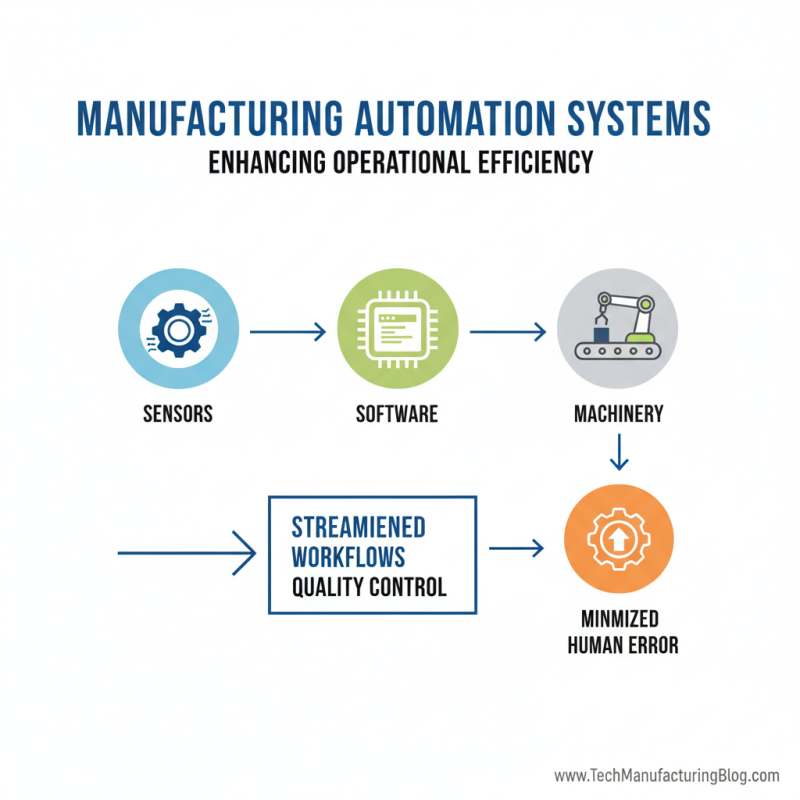
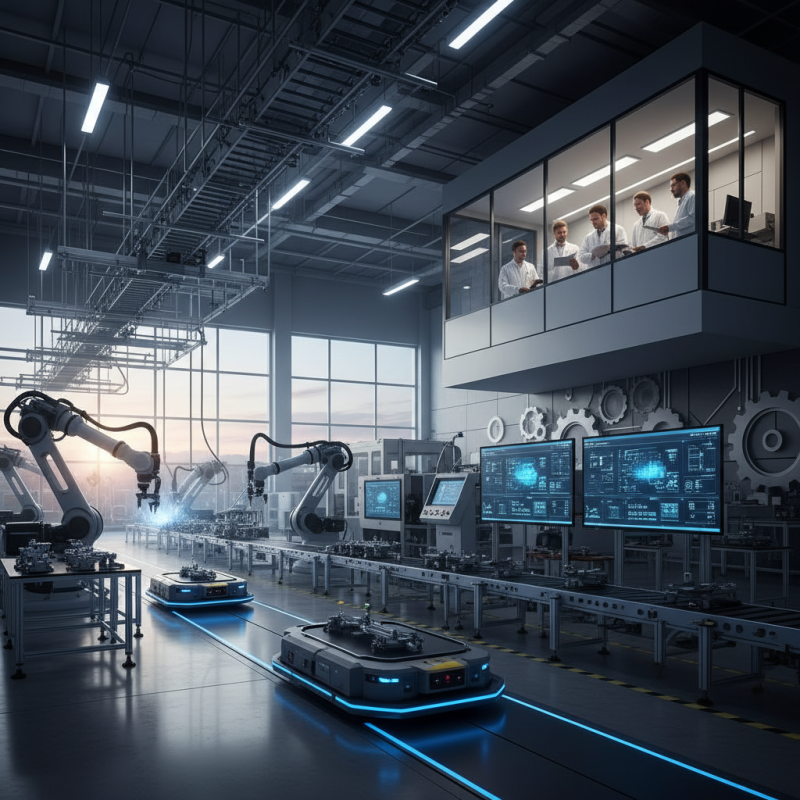
Manufacturing automation systems are vital for enhancing operational efficiency. They integrate technology into production processes, minimizing human error. Understanding these systems starts with grasping their core components, like sensors, software, and machinery. Each part plays a crucial role in streamlining workflows and ensuring quality control.
In many facilities, automation systems are not fully utilized. Workers may resist changes due to fear of job displacement. Moreover, the integration process can be challenging. Some companies may struggle with employee training or system compatibility. These issues highlight the need for a thoughtful approach when implementing automation. Effective training programs and gradual integration can help address these concerns.
Data analysis is a key feature of automation systems. It provides insights into production performance. By continuously monitoring processes, manufacturers can identify inefficiencies. However, reliance on data alone can lead to oversight of human judgment. Balancing automated processes with skilled labor is essential. This combination can create a more resilient manufacturing environment.
Identifying Key Areas for Automation in Manufacturing Processes
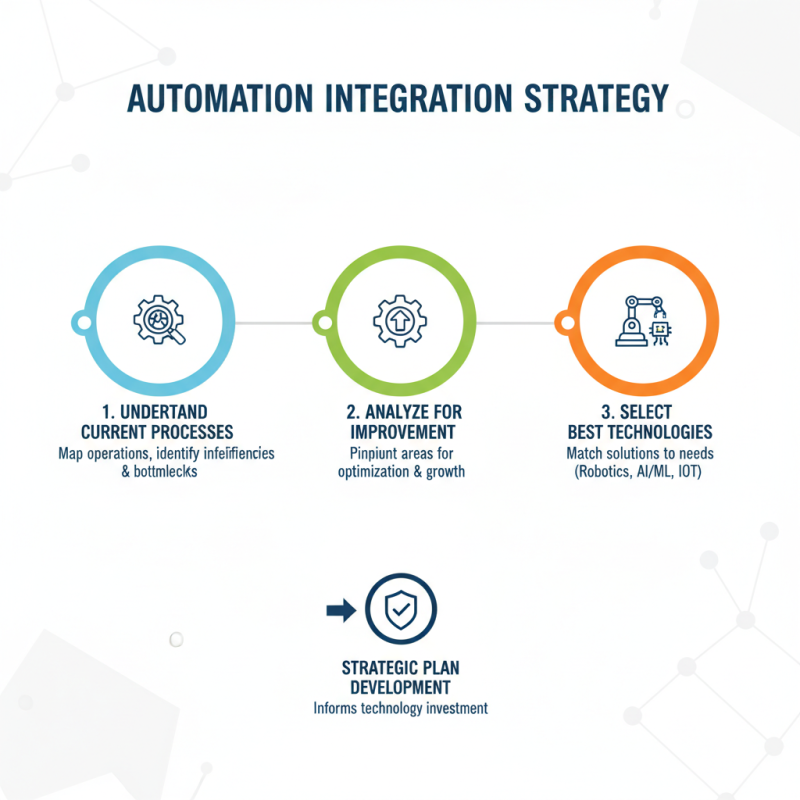
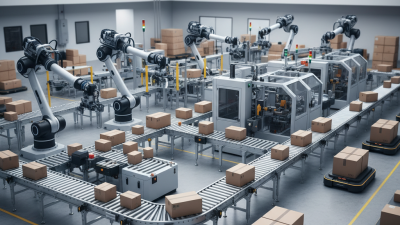
Identifying key areas for automation in manufacturing processes is essential for optimizing efficiency. First, analyze the production line's bottlenecks. These are often points where delays occur, resulting in wasted time and resources. Implementing automation in these areas can streamline operations. For example, using conveyors can speed up material handling.
Next, focus on repetitive tasks. These tasks, like assembly or packaging, consume significant labor hours. Automation can enhance precision and reduce human error. Robotics can be employed for tasks requiring speed and accuracy. However, integrating these systems can be complex. It’s crucial to ensure they align with existing workflows.
Moreover, monitor data flow from machinery. Data analytics can reveal patterns and operational inefficiencies. Automation solutions should be adaptable, improving over time based on collected data. Investing in training for staff is vital, too. Automation requires a skilled workforce. Adjustments may be needed over time, which can create challenges. It’s important to have a flexible approach to these transitions for smooth implementation.
Choosing the Right Technology and Tools for Automation Implementation
Implementing manufacturing automation requires careful consideration of technology. Selecting the right tools can significantly impact efficiency. It's essential to evaluate your specific needs and operational processes. Not every technology suits all factories. A thorough analysis helps pinpoint the most suitable automation solutions.
Consider the compatibility of chosen technologies with existing systems. Integration hurdles can arise if the tools do not align seamlessly. In some cases, businesses may not fully understand the capabilities of the tools available. This gap can lead to suboptimal performance. Engaging experts in the selection process can provide valuable insights. They can help navigate potential pitfalls.
Trial phases can reveal areas for improvement. Testing new systems on a smaller scale before full implementation is crucial. This approach allows you to assess real-world performance. You might discover that certain tools require adjustments. Continual evaluation is vital for long-term success in automation. Addressing challenges as they arise fosters a
culture of adaptability and growth.
Measuring and Analyzing the Impact of Automation on Efficiency
The rise of manufacturing automation systems has led to a significant transformation in the industry. According to a report by McKinsey, companies that adopt automation can boost productivity by up to 30%. However, measuring the actual impact on efficiency requires careful analysis of various factors, such as production speed, defect rates, and labor costs.
When implementing automation, organizations should monitor these parameters closely. For example, a study by Deloitte found that manufacturers using automation experienced a 50% reduction in cycle times. This improvement not only accelerates production but also increases output quality. Analyzing these data points fosters a deeper understanding of automation's effectiveness.
Yet, challenges remain. Companies may struggle with integrating new technologies alongside existing processes. The transition can lead to temporary disruptions. In fact, some reports indicate that nearly 30% of automation initiatives failed due to poor planning and execution. This highlights the importance of ongoing evaluation and adjustment of strategies to maximize the benefits of automation on efficiency.
Impact of Manufacturing Automation on Efficiency