2026 How to Optimize Material Handling Systems for Better Efficiency?
In recent years, optimizing material handling systems has become crucial for businesses. Efficient material handling impacts overall productivity and cost-effectiveness. Many companies often underestimate the complexity involved in these systems. Diverse elements, such as equipment types and workforce skills, play important roles.
Effective material handling systems require careful analysis and strategic planning. Using advanced technologies can reduce manual errors and speed up processes. However, not every solution fits all environments. Some outdated practices still linger in many organizations. This reveals room for improvement in adapting new systems.
Moreover, constant reevaluation of handling procedures is necessary. Identifying bottlenecks in workflows can lead to significant gains. Each material flow must be examined closely. Small adjustments can lead to better efficiency. Ultimately, understanding these components is key for success in today's competitive landscape.
Understanding Material Handling Systems and Their Importance
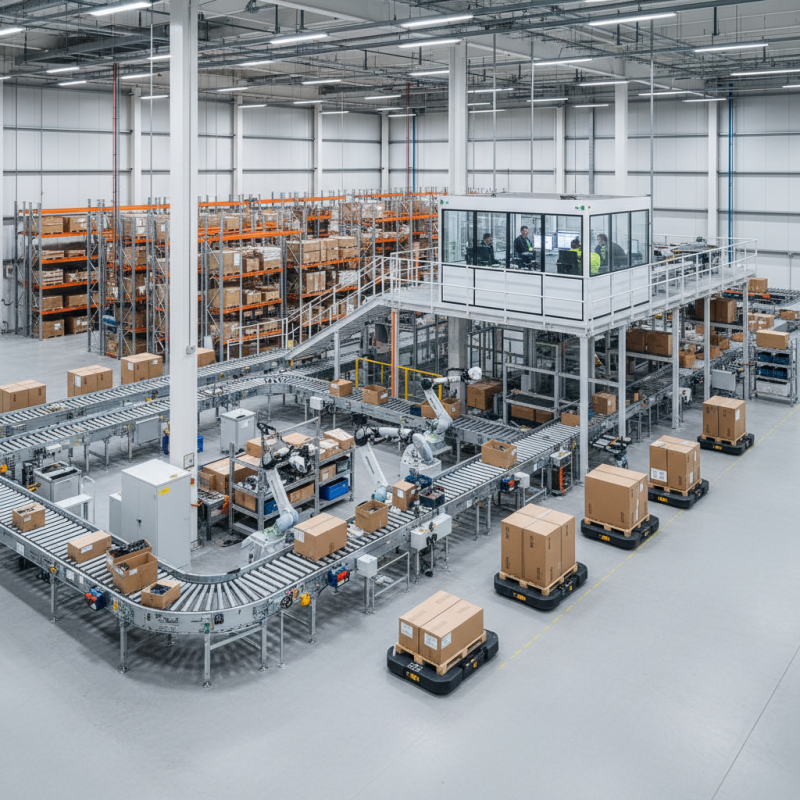
Material handling systems play a vital role in enhancing operational efficiency across various industries. These systems streamline the movement, protection, and storage of materials throughout the production process. By optimizing these processes, companies can significantly reduce operational costs and improve throughput. Understanding how these systems work is crucial for any organization aiming to enhance productivity.
Tips for improvement often start with analyzing workflows. Regularly review each step in the material handling process. Identify bottlenecks and areas of delay. Speak to employees involved in these systems. Their insights can provide valuable perspectives.
Automation can also be a key player in optimizing these systems. Simple tools like conveyors or automated carts can speed up processes. However, not all solutions fit every situation. Companies should evaluate their specific needs before investing in new technologies. Additionally, training staff on new systems is essential. Without proper training, efficiency can drop.
Consider the layout of your workspace, too. A well-organized space can minimize unnecessary movement. Examine the positioning of storage units and workstations. Small changes can lead to significant improvements. Yet, it’s important to remain flexible and open to adjustments. Continuing to adapt is part of optimizing these systems.
Optimizing Material Handling Systems for Better Efficiency (2026)
Identifying Key Performance Indicators for Efficiency Optimization
When optimizing material handling systems, identifying key performance indicators (KPIs) is essential. These KPIs provide insights into operational efficiency. According to the Material Handling Industry of America, improving inventory management can lead to a 20% boost in efficiency. Monitoring metrics like order picking accuracy and inventory turnover can significantly impact overall productivity.
One critical aspect is assessing cycle time. Reducing cycle time by just 10% can enhance throughput. However, many companies find this challenging due to outdated systems or inadequate training. The American Society of Mechanical Engineers reports that nearly 30% of material handling issues stem from inefficiencies in design and personnel skills. Businesses need to reflect on their current processes to identify improvement areas.
Another performance indicator worth tracking is labor productivity. A survey by the Warehouse Education and Research Council highlights that optimizing labor can yield a 25% increase in performance. Nevertheless, organizations may overlook this metric, leading to suboptimal use of resources. Regular analysis and recalibration of KPIs can drive lasting improvements. In this evolving industry, relying on outdated methodologies will not suffice.
Implementing Automation Technologies in Material Handling
Implementing automation technologies in material handling can significantly enhance operational efficiency. Automated systems can reduce manual labor and minimize errors. For instance, automated guided vehicles (AGVs) can transport materials throughout a facility, alleviating the risk of injury for workers and increasing productivity.
Tips for integrating automation:
- Conduct a thorough needs assessment.
- Identify the processes that require improvement.
- Start small, implementing automation in key areas to gauge effectiveness.
- Monitor the systems continuously, adjusting as necessary.
- Training employees to work alongside new technologies is crucial.
Their comfort with the systems will determine the overall success of the initiative. While automation presents clear advantages, there are challenges as well. Initial costs can be high, and not all processes may be suitable for automation.
Regularly reviewing system performance and employee feedback is essential. This feedback loop can pinpoint issues early, allowing for timely adjustments. Embrace these challenges, as they provide valuable learning opportunities for continuous improvement.
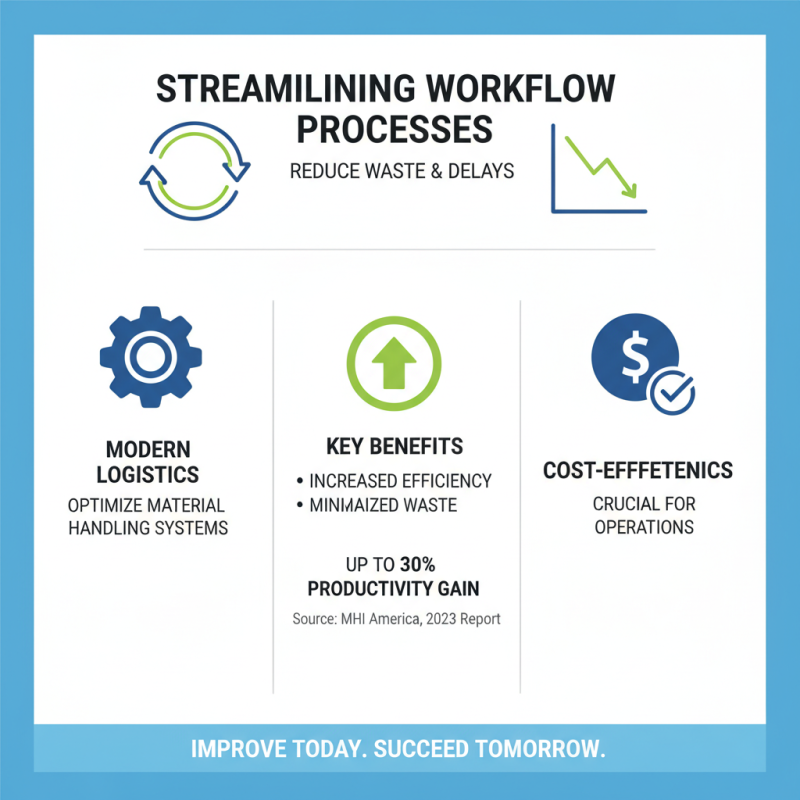
Streamlining Workflow Processes to Reduce Waste and Delays
In modern logistics, optimizing material handling systems is crucial. Streamlining workflow processes directly impacts efficiency and minimizes waste. According to a 2023 report by the Material Handling Industry of America, improving these systems can increase productivity by up to 30%. This is significant for any operation aiming for cost-effectiveness.
Implementing lean principles can reduce delays. For instance, visual management tools help in identifying bottlenecks quickly. A study showed that using such tools reduced order processing times by 25%. Yet, many companies underestimate the training required. Workers need time to adapt to new systems. Without proper guidance, even the best strategies can fail.
Another aspect is technology integration. Using automated guided vehicles (AGVs) can enhance movement efficiency. A report by Gartner noted that AGV adoption led to a 15% decrease in operational costs. However, it's not without challenges. Initial investments are high, and maintenance demands can strain resources. Reflecting on these hurdles is essential for long-term success.
Evaluating and Adjusting Material Handling Strategies Continuously
Continuous evaluation of material handling strategies is essential for optimizing efficiency. Regular assessments help identify bottlenecks in the workflow. For example, tracking the time taken for each movement reveals inefficiencies. Analyzing data can uncover areas that require immediate attention. It may indicate that a particular area is overutilized, while another is underutilized. This understanding allows for informed adjustments.
Adjusting material handling systems requires a willingness to experiment. Testing different layouts or equipment configurations can lead to surprising results. Feedback from employees can provide insights into daily challenges. Their experiences can highlight problems that numbers alone may not show. For instance, a sudden increase in delays may necessitate a review of recent changes.
Continuous improvement should be the goal. Conducting regular training sessions can help staff adapt to new strategies. However, implementing new ideas is not always straightforward. There may be resistance or unforeseen complications. It’s crucial to create a culture that welcomes feedback. This openness fosters collaboration and ultimately enhances efficiency.