Why Are Manufacturing Efficiency Solutions Essential for Modern Industry?
In the competitive landscape of modern industry, manufacturing efficiency solutions are crucial. Companies face pressures to reduce costs and improve quality. This scenario demands innovative strategies and advanced technologies. Efficiency solutions streamline processes and eliminate waste. They transform how businesses operate and respond to market needs.
Implementing these solutions often reveals challenges. Organizations may struggle with resistance to change. Employees might feel overwhelmed by new systems. Additionally, some solutions might not address specific operational inefficiencies. It’s essential to evaluate the effectiveness of each solution thoroughly. This reflective approach ensures investments yield positive returns.
Moreover, manufacturing efficiency solutions foster a culture of continuous improvement. Companies that embrace this mindset adapt better to industry shifts. They enhance productivity while maintaining high standards. Ultimately, the right efficiency solutions empower businesses to thrive in a demanding environment.
The Evolution of Manufacturing Efficiency Solutions in Industry
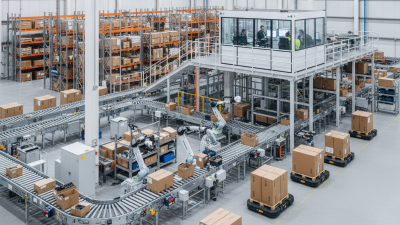
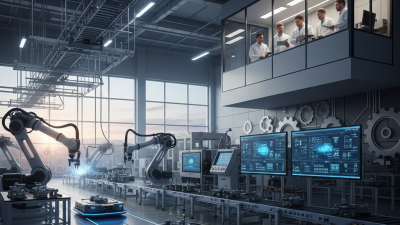
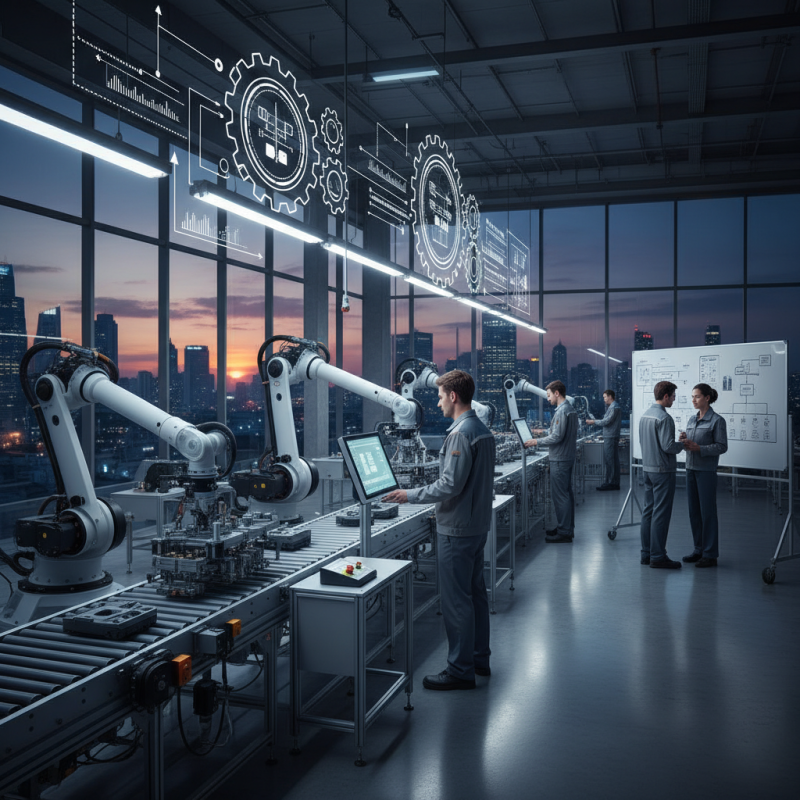
The evolution of manufacturing efficiency solutions has transformed the industry landscape significantly. Over the years, processes have shifted from manual, labor-intensive methods to automated, data-driven approaches. Early factories relied heavily on human labor, which often led to inconsistencies in output quality. Now, technological advancements enable real-time monitoring and adjustments.
In recent years, automation and smart technologies have become cornerstones in this evolution. Internet of Things (IoT) devices allow for seamless communication between machines. This connectivity increases efficiency and reduces downtime. However, the transition is not without challenges. Many companies struggle to integrate new technologies into their existing frameworks. Training employees to adapt to these changes is crucial yet often overlooked.
While the journey toward greater efficiency is evident, it is still imperfect. Some solutions might not fit every manufacturing environment. A one-size-fits-all approach can result in wasted resources. Businesses must continuously evaluate their unique needs and adapt accordingly. Embracing a mindset of constant improvement becomes essential for sustainable growth in the evolving manufacturing sector.
Key Benefits of Enhanced Manufacturing Efficiency for Businesses
In today’s competitive landscape, enhanced manufacturing efficiency is essential for businesses seeking growth. Streamlined processes can significantly reduce production costs. Firms can respond faster to market demands. This agility fosters innovation.
Tips: Assess your current workflows critically. Identify bottlenecks and inefficiencies. Engage with your team to gather insights. They often see what management may overlook.
Improved manufacturing efficiency leads to higher product quality. Fewer defects mean less waste. This saves materials and boosts profit margins. An efficient setup enhances employee morale. Workers appreciate a well-organized and productive environment. They feel empowered and motivated.
Tips: Invest in employee training. Equip your staff with the latest skills. Regularly introduce new technologies. This creates a culture of continuous improvement.
Business leaders must recognize that efficiency isn’t a one-time fix. Continuous evaluation of processes is key. Implement feedback loops for ongoing refinement. This approach ensures that efficiency solutions evolve with changing industry demands.
Technologies Driving Manufacturing Efficiency in the Modern Era
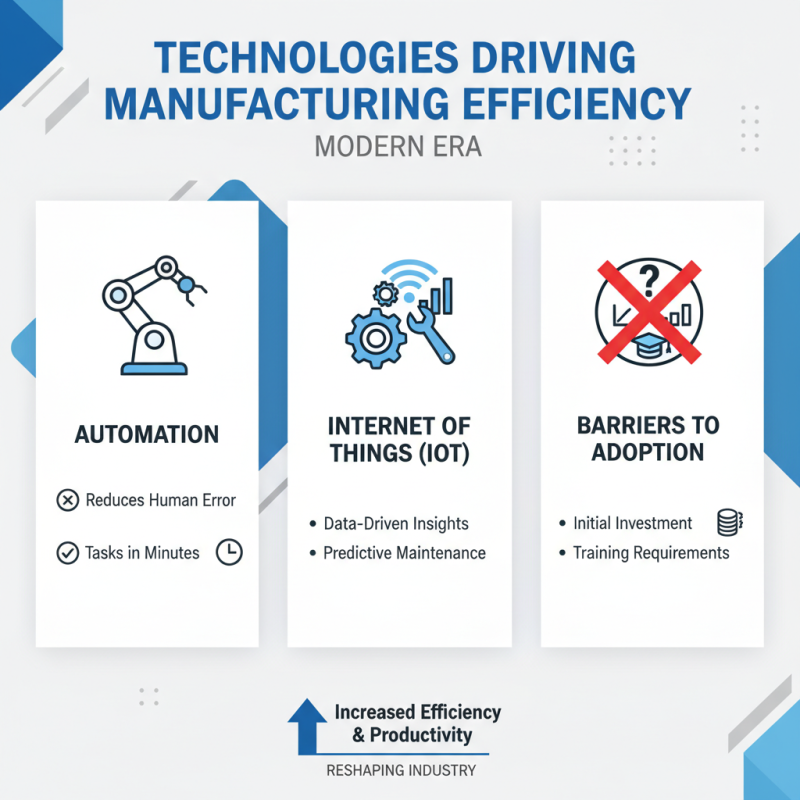
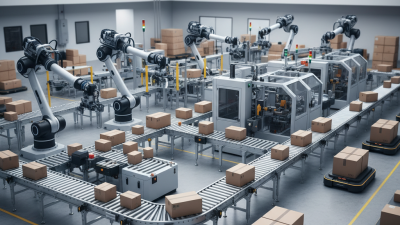
In today’s manufacturing landscape, efficiency is vital. Technologies such as automation and IoT are reshaping the industry. Automation reduces human errors. Tasks that once took hours can now be completed in minutes. However, not all manufacturers embrace these advancements fully. Many fear the initial investment and training requirements.
IoT devices provide real-time data. They enable timely adjustments in the production process. This data-driven approach enhances decision-making. Yet, some companies struggle with data integration. The complexity can be overwhelming, often causing delays in implementation. Balancing tech with human insight remains a challenge.
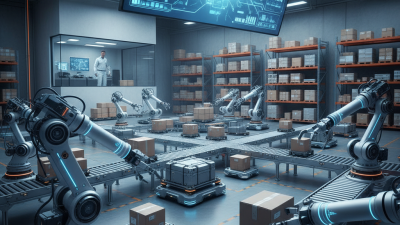
Consider robotics in assembly lines. They excel in precision and speed. However, relying solely on them can lead to a loss of skilled jobs. This creates a gap that needs addressing. Ultimately, the blend of technology and human expertise is crucial. Efficient manufacturing doesn't happen overnight; it requires continuous adaptation and learning.
Challenges in Implementing Manufacturing Efficiency Solutions
Manufacturing efficiency solutions are vital for modern industry, yet their implementation comes with significant challenges. Many companies struggle with integrating new technologies into existing systems. Staff resistance to change can slow down this process. Employees may fear that automation will lead to job loss. This fear can create a toxic work environment and hinder productivity.
It’s crucial to engage your team in the transition. Clear communication about the benefits of efficiency can alleviate concerns. Training sessions will empower employees and boost morale. Remember to celebrate small wins in the implementation phase. This recognition can motivate the team to embrace changes.
Another challenge lies in data management. Gathering accurate data is essential for identifying inefficiencies. Companies often face issues with data silos, leading to poor decision-making. Integrating different sources of information can be complex but is necessary for success. Use intuitive software that allows easy access and analysis of data. This move will enhance overall performance and drive continuous improvement.
Manufacturing Efficiency Solutions: Industry Challenges
Future Trends in Manufacturing Efficiency and Industry Adaptation
Manufacturing efficiency is crucial for staying competitive. Studies show that companies implementing efficiency solutions can increase productivity by up to 30%. This shift is driven by the need to reduce costs and improve output quality.
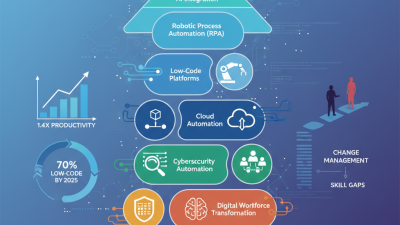
Future trends indicate that automation will play a vital role in enhancing efficiency. The use of robotics and AI is set to rise. A report by McKinsey suggests that up to 70% of current manufacturing tasks could become automated. However, this shift raises questions about workforce adaptation and skill requirements.
Moreover, sustainability is becoming increasingly important. The World Economic Forum reports that sustainable manufacturing practices can lead to a 20% reduction in waste. Yet, many businesses struggle to implement these practices effectively. The challenge lies in balancing efficiency with environmental responsibility. This requires ongoing reflection and a willingness to adapt.
Why Are Manufacturing Efficiency Solutions Essential for Modern Industry? - Future Trends in Manufacturing Efficiency and Industry Adaptation
| Efficiency Solution |
Description |
Benefits |
Future Trend |
| Automation Technologies |
Integration of machinery and software to automate production processes. |
Increased speed and precision, reduced labor costs. |
Growing adoption in various sectors, enhancing production rates. |
| Data Analytics |
Utilization of data to analyze and improve processes. |
Better decision-making and predictive maintenance. |
Increased focus on big data and real-time analytics. |
| Lean Manufacturing |
Minimizing waste within manufacturing systems without sacrificing productivity. |
Higher efficiency, lower costs, improved quality. |
Continued emphasis on sustainability and cost-reduction practices. |
| IoT Integration |
Connecting machinery with the internet to monitor and optimize operations. |
Enhanced visibility and control over operations. |
Expansion in smart factories and real-time data processing. |
| Additive Manufacturing |
3D printing technologies for creating parts and products layer by layer. |
Reduced material waste and design flexibility. |
Increasing versatility in manufacturing applications and product customization. |