How to Choose Smart Manufacturing Systems in 2026

Choosing smart manufacturing systems in 2026 is less about buying the newest platform and more about solving specific production problems. A factory may need clearer machine data, fewer unplanned stoppages, or faster changeovers. Start with the bottleneck. Not the brochure.

A useful evaluation connects each system to measurable goals, such as reducing downtime or improving traceability. Check whether it can work with existing machines, software, and data standards. Integration often takes more effort than expected. Ask vendors to demonstrate real workflows using representative equipment and realistic data, not polished slides alone. Security, support, upgrade costs, and data ownership also deserve careful review. So does the learning curve. Operators and maintenance teams need a voice before selection, because a technically capable tool can still fail in daily use.

Pilot the system on one production line before expanding across the plant. Record baseline performance, define success measures, and agree on how results will be checked. A short pilot can reveal overlooked issues, including unreliable sensors or unclear responsibilities. It may not answer every question. That is useful to recognize. This guide explores practical selection criteria, vendor questions, integration risks, and rollout planning to help manufacturers compare options with evidence. The right choice is not always the largest system; it is the one that fits the operation, can grow responsibly, and delivers benefits people can verify.
How to Choose Smart Manufacturing Systems in 2026

What Smart Manufacturing Systems Include in 2026

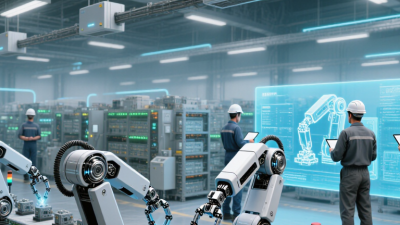
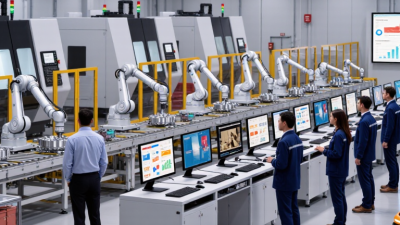
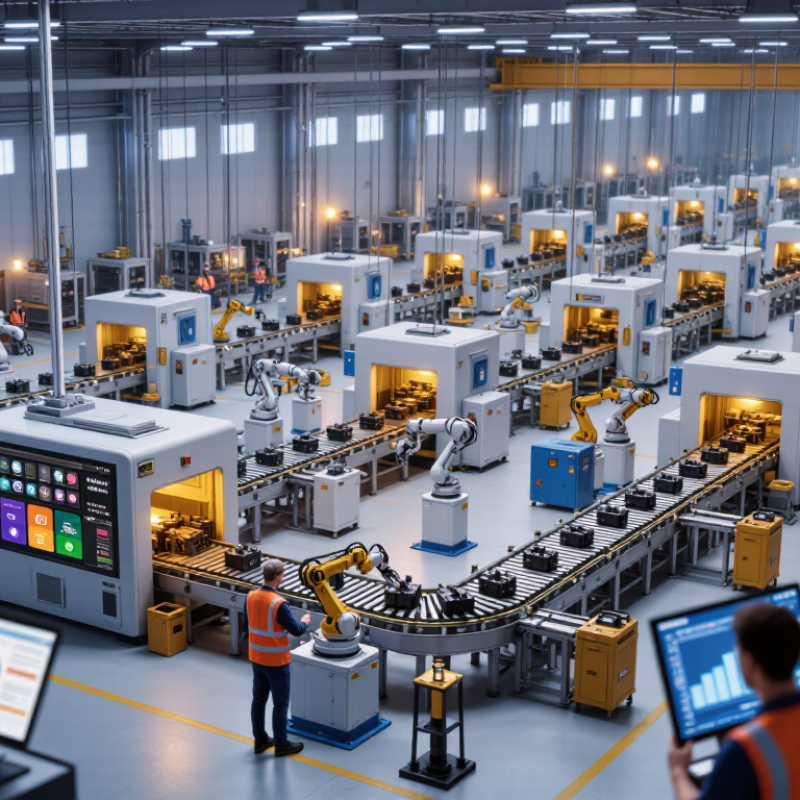
In 2026, a smart manufacturing system connects machine sensors, production software, quality records, and planning data. Sensors capture cycle time, temperature, vibration, and downtime on the factory floor. A manufacturing execution layer tracks orders, work instructions, material use, and operator checks. Analytics can flag process changes, while predictive tools may estimate maintenance needs when the underlying data is reliable. Many systems also include edge devices, cloud services, access controls, and links to enterprise planning software. Digital twins can model a production line, but a simple, tested model may be more useful than a polished demonstration. Human-facing screens matter too. A crowded dashboard slows decisions.

Tips: Start with one measurable bottleneck, such as repeated changeover delays or excess scrap on a particular shift. Check whether data can move between existing equipment and new tools without repeated custom work. Request a small pilot with baseline metrics, clear data ownership, and a rollback plan.

Choose components around the decisions workers need to make, not the number of features on a sales slide. Confirm who maintains integrations, protects accounts, and reviews alerts after launch. Test what happens during network interruptions; workers still need clear operating procedures. Expect uneven results at first. A sensor can be installed correctly and still produce misleading readings. Treat that mismatch as a reason to review assumptions, not to hide the problem.

How to Define Operational Needs and Selection Criteria

Before comparing systems, map how work moves across a representative production line. Record cycle times, changeover duration, scrap rates, and where operators re-enter data. Watch a shift, not just a dashboard. Talk with operators, maintenance staff, planners, and IT; each group sees different failure points. Separate urgent problems from features that merely look impressive in a demonstration.

Define measurable outcomes, a baseline, and an owner for each goal. Examples include fewer unplanned stoppages, faster traceability, or less manual scheduling. Specify acceptable downtime, response times, data retention, and performance during peak production. A system that works on a quiet test line may struggle during a product changeover. Be candid about gaps in your data; initial estimates are often tidier than reality.

Set criteria for integration, usability, security, scalability, and support. List existing machine interfaces, software dependencies, network limits, and data-quality issues before requesting proposals. Ask for a pilot using real production conditions, with agreed pass-or-fail thresholds. Score each option against operational priorities, not presentation quality. A weighted score can help, but it may conceal a poor fit if the team chooses the weights too quickly. Include operators in the review; their feedback may challenge assumptions that looked reasonable in a planning meeting.

How to Compare Platforms, Automation, and Data Capabilities

When comparing smart manufacturing platforms, start with the line’s actual constraints: machine age, network coverage, and operator workflow. A polished dashboard cannot compensate for missing sensor signals. Map the data path from machine to decision, and check who can access, export, and validate each record. Test it live.

Automation should solve a named bottleneck, not merely add robots. Compare systems by changeover time, fault recovery, and how safely operators can intervene. Deloitte’s 2025 Smart Manufacturing Survey found that 92% of surveyed manufacturers expect smart manufacturing to drive competitiveness within three years. That ambition makes measurable pilot targets essential. Track one outcome, such as unplanned downtime, before expanding.

Data capabilities deserve equal scrutiny. Ask whether the platform supports common interfaces, consistent timestamps, and usable data outside its own screens. The World Economic Forum’s Global Lighthouse Network had recognized more than 150 production sites by 2024, illustrating how connected technologies are being deployed across real factories. Yet those examples are not a guarantee of fit. A sensible shortlist may still be wrong if it ignores maintenance skills or unreliable connectivity. Test with operators on a representative line, including a bad-data day.

How to Evaluate Integration, Cybersecurity, and Total Cost

How to Choose Smart Manufacturing Systems in 2026

A system can look impressive in a demo and still fail beside a ten-year-old production line. Check whether it connects with existing machines, sensors, and planning software before comparing features. The 2024 Deloitte and MAPI survey found that 86% of manufacturing executives expect smart manufacturing to drive competitiveness within five years. That expectation makes integration a business concern, not just an IT task. Ask vendors to demonstrate data exchange using your actual equipment and workflows. No glossy slides.

Cybersecurity needs the same practical testing. Map which devices collect data, who can access it, and how updates reach equipment on the factory floor. Network segmentation, strong access controls, and tested recovery plans reduce exposure without assuming every machine can be patched immediately. IBM’s 2024 Cost of a Data Breach Report estimated the global average breach cost at $4.88 million. That figure covers multiple industries, not manufacturing alone, but it shows why security belongs in the investment case. A forgotten remote connection can undo careful planning.

Compare total cost over several years, not only the purchase price. Include integration work, subscriptions, sensors, staff training, maintenance, downtime during installation, and future upgrades. Ask for costs under realistic production conditions, including support when a shift runs overnight. Then test a small deployment before scaling. Estimates can still miss awkward legacy constraints; that is a reason to budget contingency, not to ignore them.

How to Validate Vendors and Plan System Adoption

Choosing a smart manufacturing system starts with evidence, not a polished demo. Ask vendors to show a real workflow using sample data from your plant. Watch how an operator handles a delayed sensor reading or a rejected work order. Small failures reveal more than perfect screens. Request written details on integration costs, support response times, data export, and upgrade responsibilities. Speak with customers who run similar equipment and production volumes. Ask what went wrong during their first months.

A credible vendor should explain limitations plainly. Check how the system records downtime, manages user access, and behaves when network connections drop. Have your technical team review the proposed data flows and security controls. Compare promised benefits with measurable needs, such as fewer manual entries or shorter changeover times. If every answer sounds effortless, probe deeper.

Plan adoption around one production line, not the entire factory. Record baseline measures before installation, including stoppages, scrap, and reporting delays. Train operators on the actual screens they will use during a busy shift. Keep a fallback process available while the pilot runs. Review results with operators and supervisors each week, then adjust the rollout plan. Some assumptions will be wrong. That is useful, if the pilot makes them visible before costs and disruption spread.

How to Choose Smart Manufacturing Systems in 2026

Validate vendors and plan adoption around measurable business outcomes.

What this means: With competitiveness a clear priority, compare systems using site-specific performance targets, integration requirements, scalability, and total cost of ownership. Validate vendor claims through a pilot with agreed success criteria before broader deployment.

Source: Deloitte, 2025 Smart Manufacturing Survey. The 8% remainder is calculated as 100% minus the reported 92%.