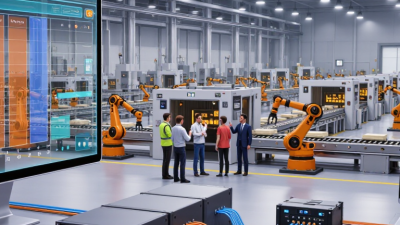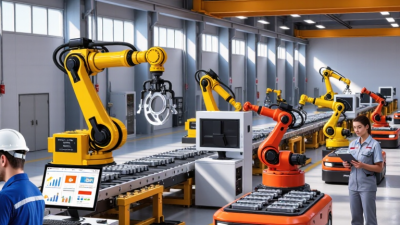

Industrial digitalization systems are becoming the operating backbone of modern factories, warehouses, utilities, and process plants. By 2026, leading platforms will connect machines, people, production data, and business decisions more closely than ever. Yet connectivity alone does not create industrial value. Reliable performance still depends on strong engineering, clear data ownership, cybersecurity controls, and trained operators.
This guide examines the 2026 top industrial digitalization systems through practical industry criteria. It considers industrial IoT platforms, manufacturing execution systems, digital twins, edge computing, industrial artificial intelligence, and cloud-based control technologies. A useful system should reduce downtime, improve traceability, and support safer maintenance decisions. For example, a vibration sensor may identify early bearing wear, while an MES platform records the affected batch and operator response. Small details matter.
The strongest solutions also integrate with existing equipment, including older PLCs and inconsistent plant networks. That integration is often difficult. Vendor claims can sound impressive, but measurable results require documented testing and independent validation. Energy savings may vary between facilities. Artificial intelligence may also produce unreliable recommendations when historical data is incomplete. That limitation deserves attention.
This overview therefore balances technical capability with deployment experience, operational risk, and long-term support. It does not assume that the newest platform is automatically the best choice. Instead, it asks a harder question: which systems deliver dependable value under real industrial conditions? Teams should compare scalability, interoperability, data governance, lifecycle costs, and human usability before making a decision. Safety comes before speed.
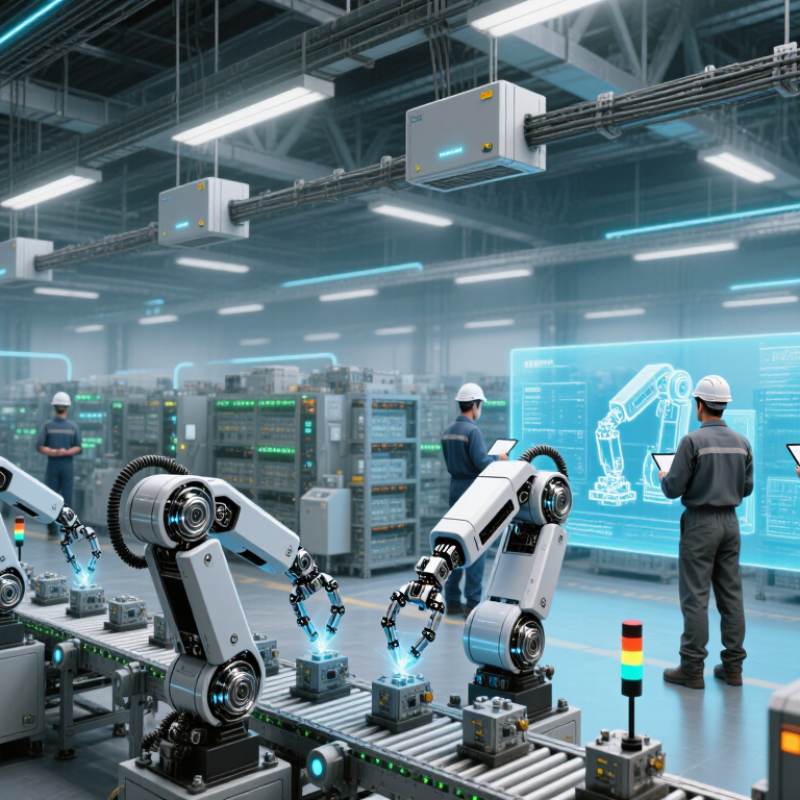
Industrial digitalization systems connect machines, people, processes, and production data. Their purpose is not simple automation. They create measurable control over industrial operations. In 2026, the scope includes sensors, industrial controllers, supervisory platforms, manufacturing execution systems, data historians, analytics tools, and digital twins. It also covers secure links between operational technology and business software.
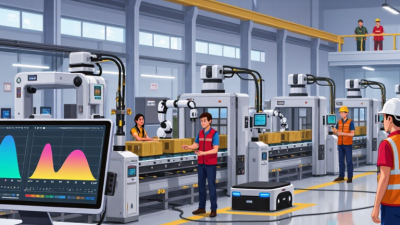
The factory floor remains the practical test. A vibration sensor may detect a bearing change before a technician hears it. An edge system can analyze that signal near the machine. A central platform can then compare maintenance history, production speed, and energy use. This connection supports predictive maintenance, quality tracking, asset performance, and resource planning. Reliable systems also require access controls, audit trails, data ownership, and clear failure procedures.
Artificial intelligence is becoming part of these systems, but it is not automatically trustworthy. Poor calibration can produce false alarms. Incomplete data can distort production forecasts. Sometimes, a simple dashboard serves a plant better than a complex digital twin. This is an uncomfortable point. Digital maturity should be measured by useful decisions, not by the number of connected devices. Skilled operators still review unusual readings, especially when safety or product quality is involved. Implementation also depends on interoperability, workforce training, cybersecurity practice, and realistic maintenance budgets.
What Are the 2026 Top Industrial Digitalization Systems?
Core technologies are reshaping industrial digitalization systems in 2026. Industrial Internet of Things sensors now capture vibration, temperature, pressure, and energy use continuously. Edge computing analyzes this data near machines, reducing delays during safety-critical operations. Cloud platforms then connect production, maintenance, and supply-chain information across sites.
Artificial intelligence supports predictive maintenance, quality inspection, and production scheduling. Digital twins add a visual operating layer, allowing engineers to test process changes before touching equipment. Private 5G networks can improve communication between mobile robots, sensors, and control systems. However, these tools need strong data governance. Poorly labeled data can produce confident but incorrect recommendations. That weakness is easy to underestimate.
Deloitte’s 2024 Smart Manufacturing Survey found that 86% of surveyed leaders view smart manufacturing as a major competitiveness driver within three years. The World Economic Forum’s Global Lighthouse Network reports also show measurable gains from scaled digital applications, including higher productivity and lower waste. Tips: Start with one measurable bottleneck, such as unplanned downtime. Connect existing systems before buying more software. Set cybersecurity controls at the sensor level. Review model accuracy monthly, because factory conditions change. A perfect system is unlikely. A transparent, improving system is more useful.
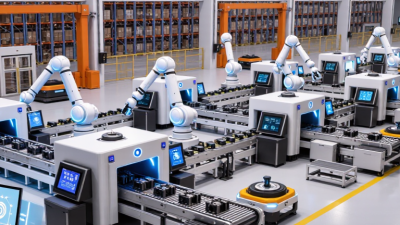
Industrial digitalization in 2026 is defined by practical systems, not fashionable software labels. Manufacturing plants increasingly combine production management systems, machine monitoring, and digital twins. These tools track cycle times, detect abnormal vibration, and show where material waits. Energy operators use control platforms, sensor networks, and forecasting systems to balance demand with equipment capacity. Logistics teams rely on warehouse systems, route optimization, and real-time asset tracking. Each function requires a different data rhythm.
Application matters more than system size. A food processor may need traceability across every batch, while a metal plant may prioritize predictive maintenance. Hospitals require secure workflow coordination, equipment visibility, and strict access controls. Commercial buildings benefit from automation that adjusts lighting and ventilation according to occupancy. In my experience, the strongest projects begin with one measurable problem. However, early data is often incomplete. Sensors drift. Staff may reject unfamiliar dashboards. That weakness needs honest review.
Tips: Start with a small production line or facility zone. Define one baseline metric, such as downtime or energy use. Check whether old machines can share reliable data. Keep operators involved during testing. Require clear audit trails and role-based access. Review false alarms every month. Do not automate a decision before understanding its operational cost. A pilot can expose hidden dependencies, which is useful, even when results look disappointing.
Leading 2026 systems by industry function and application
The chart uses rounded enterprise-technology adoption indicators reported in recent Eurostat surveys as a neutral market baseline. Cloud platforms, ERP, data analytics, industrial IoT, and AI are expected to remain the core digitalization systems supporting production planning, asset monitoring, quality control, and operational decision-making in 2026.
What Are the 2026 Top Industrial Digitalization Systems?
The strongest 2026 systems should be compared by plant outcomes, not impressive dashboards. Start with interoperability. A system must connect machines, sensors, enterprise software, and legacy controllers without forcing a full replacement. The International Data Corporation reports that data integration remains a major barrier to industrial digital transformation. Test real connections on one production line. Do not trust a laboratory demonstration alone.
Cybersecurity deserves equal weight. The International Society of Automation’s industrial security framework emphasizes layered protection, network segmentation, access control, and continuous monitoring. Evaluation teams should measure patching speed, incident visibility, backup recovery, and supplier access. A secure system should still operate safely when cloud connectivity fails. That detail is often overlooked.
Financial evidence must remain practical. Deloitte’s 2024 Smart Manufacturing and Operations Survey found that many manufacturers expect smart operations to improve productivity, but implementation costs and workforce gaps remain significant concerns. Compare downtime reduction, maintenance hours, energy use, and training time over twelve months. The International Energy Agency also identifies digital tools as important for improving industrial energy efficiency, though results depend on disciplined data collection. Numbers can mislead. A polished pilot may hide weak plant-wide performance. The evaluation should include worker feedback, audit trails, data ownership, and measurable payback. Perfect scores are unrealistic. That trade-off needs scrutiny.
| System Category | Primary Industrial Role | Core Data Sources | Real-Time Capability | Interoperability Basis | Typical Deployment Model | Cybersecurity Considerations | Implementation Complexity | Scalability | Evaluation Score (100) |
|---|---|---|---|---|---|---|---|---|---|
| Industrial Internet of Things Platform | Connects equipment, collects operational data, and provides analytics, monitoring, and application services across sites. | Machines, sensors, controllers, production databases, maintenance records, and quality systems. | High Seconds to milliseconds, depending on the edge architecture. |
OPC UA, MQTT, REST APIs, ISA-95 information models, and common industrial data models. | Hybrid edge and cloud deployment is common for multi-site operations. | Requires identity management, encrypted communications, network segmentation, secure updates, and asset inventories. | Medium to High | Very High | 91 |
| Manufacturing Execution System | Controls and documents production execution, work orders, traceability, quality, labor, and material usage. | Production orders, bills of material, work instructions, machine status, quality results, and operator records. | High Near-real-time production events and status updates. |
ISA-95 concepts, ERP integration, machine interfaces, relational databases, and API-based integration. | On-premises, private cloud, or hybrid deployment within plant operations. | Role-based access, electronic records, audit trails, segregation of duties, and validated change control are important. | High | High | 89 |
| Supervisory Control and Data Acquisition System | Provides supervisory monitoring, alarm management, visualization, and control of distributed industrial processes. | PLCs, remote terminal units, process instruments, alarms, historian databases, and control networks. | Very High Milliseconds to seconds for monitoring and control workloads. |
OPC UA, industrial Ethernet, fieldbus technologies, and vendor-neutral alarm and historian interfaces. | Primarily on-premises or at the industrial edge; remote access may be added through secure gateways. | Strong network segmentation, least-privilege access, secure remote maintenance, and incident response are essential. | Medium | High | 87 |
| Industrial Edge Computing System | Processes data close to machines to reduce latency, support local autonomy, and limit unnecessary data transmission. | Sensors, cameras, PLCs, robots, gateways, local historians, and production applications. | Very High Milliseconds to seconds, subject to hardware and workload design. |
OPC UA, MQTT, containerized applications, REST APIs, and industrial Ethernet. | Plant-level or machine-level deployment, frequently connected to centralized platforms. | Secure boot, device certificates, patch management, container security, and physical access controls are required. | High | Very High | 86 |
| Digital Twin and Simulation System | Represents assets, processes, or facilities digitally for design validation, optimization, training, and predictive analysis. | Engineering models, sensor streams, equipment specifications, process history, and maintenance data. | Medium to High Real-time synchronization depends on model complexity and data availability. |
ISO 23247 concepts, standardized engineering data, APIs, OPC UA, and model-based data exchange. | Cloud, high-performance on-premises infrastructure, or hybrid deployment. | Model integrity, data provenance, access control, intellectual-property protection, and simulation validation are key. | High | Very High | 84 |
| Advanced Planning and Scheduling System | Optimizes production plans, capacity allocation, sequencing, inventory, and response to operational constraints. | Orders, routings, capacities, inventories, calendars, lead times, and production performance data. | Medium Minutes to hours for planning and rescheduling cycles. |
ERP, MES, supply-chain databases, APIs, and standardized production and scheduling data. | Cloud, private cloud, or enterprise on-premises deployment. | Protection of commercial data, role-based planning permissions, auditability, and secure system integration are required. | High | High | 82 |
| Enterprise Asset Management System | Manages asset records, preventive maintenance, work orders, spare parts, inspections, and lifecycle costs. | Asset registers, maintenance history, inspection results, inventory, work permits, and sensor alerts. | Medium Event-driven updates with periodic and condition-based workflows. |
REST APIs, ERP and MES integration, mobile interfaces, and standardized asset and maintenance records. | Cloud, on-premises, or hybrid deployment with mobile field access. | Mobile-device security, technician access control, audit trails, offline synchronization, and critical-asset protection matter. | High | High | 80 |
Reference framework: The comparison reflects commonly used industrial concepts and standards, including ISA-95 for enterprise-control integration, IEC 62443 for industrial cybersecurity, ISO 23247 for digital-twin frameworks, OPC UA for industrial interoperability, and MQTT for lightweight publish/subscribe messaging. Actual performance depends on architecture, plant conditions, network design, data quality, and implementation governance.
Industrial digitalization in 2026 depends less on purchasing advanced systems than on implementing them carefully. Industrial IoT platforms, manufacturing execution systems, digital twins, and predictive analytics must match real production conditions. Begin with a limited line, not the entire facility. Measure downtime, data quality, operator workload, and maintenance response times. Small pilots expose weak assumptions early.
Integration usually creates the hardest problems. Older controllers may use inconsistent protocols or undocumented settings. An edge gateway can normalize machine data before it reaches analytics applications. Standard APIs should connect production, maintenance, quality, and business systems. However, perfect integration is rarely realistic. Our early plans often underestimated manual records and inconsistent asset names. That mistake delayed reporting and reduced user trust. Operators also need practical training, not only technical demonstrations.
Security must be designed before deployment. Create an accurate asset inventory, segment operational networks, and restrict remote access. Use strong authentication, role-based permissions, encrypted data transfer, and monitored service accounts. Patch schedules should respect production windows, but outdated systems cannot remain invisible. Test backups and incident procedures with plant personnel. A written plan may fail under pressure. Tabletop exercises reveal missing contacts, unclear responsibilities, and unsafe recovery steps. Security reviews should continue after launch, especially when new sensors, cloud connections, or artificial intelligence services enter the environment.