How to Choose the Right Material Handling Systems for Your Business?
Choosing the right material handling systems is critical for any business. These systems influence productivity and efficiency. Understanding your specific needs can be daunting. However, making an informed decision ensures you don't waste resources.
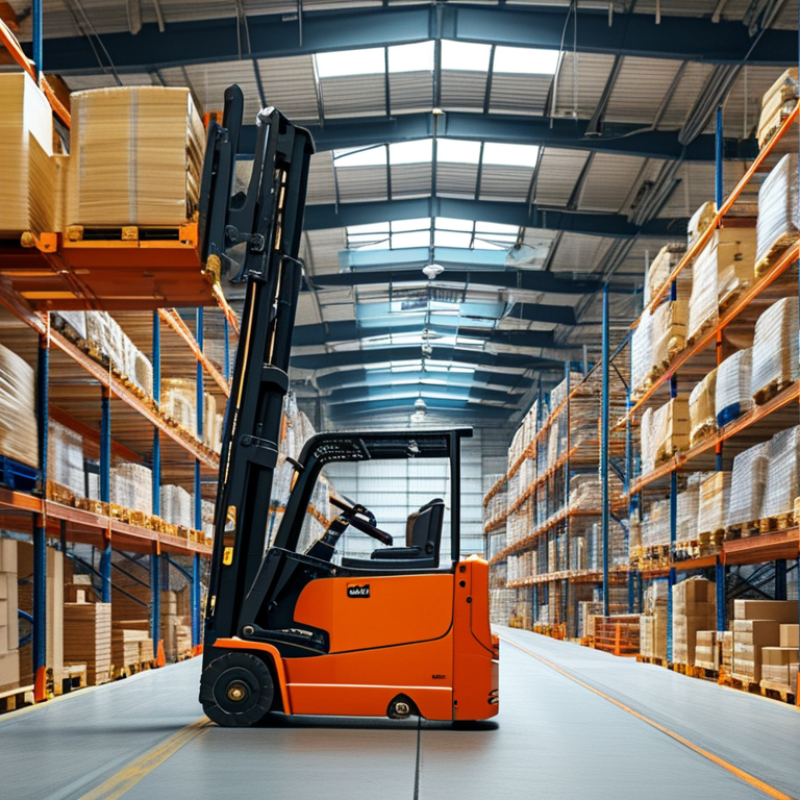
Different industries require varied handling solutions. For instance, a warehouse may depend on automated systems, while a manufacturing plant might need robust equipment. Consider factors like space, inventory type, and employee safety. Each choice impacts daily operations and long-term success.
Investing in appropriate material handling systems can be challenging. It's crucial to analyze both current and future demands. Regular reflection on performance can reveal gaps. An effective system does not guarantee perfection, but it facilitates continuous improvement. Thus, taking a thoughtful approach will yield better results in managing your operations.
Understanding Your Business's Material Handling Needs
Understanding your business's material handling needs is crucial for efficiency. Start by assessing the types of materials you deal with. Are they heavy and bulky or lightweight and fragile? This information shapes your choice of equipment and systems. Analyze your workflow. Is it streamlined or cluttered? Recognizing bottlenecks helps in selecting the right solutions.
Consider the layout of your workspace. A complex environment may need flexible systems, while a straightforward one can work with standard setups. Evaluate your team’s capabilities too. Are they trained to use high-tech machinery? Or do they need straightforward tools? Balancing sophistication with usability is vital.
Tips for choosing wisely include involving your team in the decision-making process. They offer insights based on their day-to-day experiences. Research industry best practices to avoid pitfalls. Look at case studies relevant to your sector. This knowledge can guide your choices and improve operational performance. Keep in mind, the best solution may not always be the most expensive one. Sometimes, simplicity wins.
Evaluating Different Types of Material Handling Systems
Choosing the right material handling systems involves careful evaluation. Companies often overlook specific needs. Understanding these needs is crucial. For example, consider the nature of the materials. Heavy items require robust solutions. Lighter materials might benefit from automated systems. Assessing the load can guide you.
Next, think about the spatial dynamics of your facility. Are aisles wide enough for forklifts? How about weight distribution? A layout that does not optimize space can lead to accidents. Also, reflect on the future growth of your business. Today’s choice may not suffice tomorrow. This foresight can save you from future costs.
Employee training is another critical aspect. Investing in training ensures that systems are used effectively. Regular feedback from staff can pinpoint issues early. Inadequate training can lead to operational failures. Keeping the workforce informed fosters a culture of safety and efficiency. Balancing these various factors can lead to a more successful material handling approach.
Assessing Costs and Budget Constraints for Equipment
When assessing costs and budget constraints for material handling systems, understanding your financial situation is crucial. Start by calculating your total budget, including equipment, installation, and maintenance costs. This step ensures you make informed decisions without overspending. Providing the right equipment can significantly enhance productivity, but it must align with your financial limitations.
Evaluate the long-term benefits versus initial costs. A more expensive system may save money over time through improved efficiency and reduced labor costs. Consider the lifespan of equipment as well. Sometimes, investing in reliable technology now can prevent costly downtime later.
Look into financing options if your budget is tight. Leasing equipment can minimize upfront costs and maintain capital for other business needs. Research various suppliers for competitive pricing. Visiting industry forums or groups can give insights into real-world experiences and challenges. Peer feedback is valuable and can prevent pitfalls.
Material Handling Systems Cost Comparison
This bar chart provides a comparison of estimated costs associated with different material handling systems. Assessing these costs is crucial for making informed decisions based on budget constraints.
Considering Ergonomics and Safety Features in Selection
When selecting material handling systems, ergonomics and safety should be primary considerations. A good material handling system reduces strain on workers. Incorporating ergonomic design minimizes repetitive stress injuries. For instance, adjustable shelving and conveyors can lessen back and shoulder pain. Additionally, proper training on equipment use increases awareness of safety protocols.
Safety features must be carefully evaluated. Look for systems with built-in safeguards, such as emergency stop buttons and adequate guarding. An example is using automated systems that lessen human error. Regular maintenance checks help ensure equipment remains safe. However, even the best systems require attention to potential hazards. Workers must know how to identify risks in their environment.
Reflecting on past choices can guide better decisions. Gathering feedback from employees can improve system selection. Their experiences shed light on unanticipated challenges. This practice fosters a culture of safety. Regular reevaluation of material handling processes keeps safety and ergonomics at the forefront.
Factors to Ensure Efficient Implementation and Training
Choosing the right material handling system is crucial. Effective implementation starts with proper training. Employees must understand new systems thoroughly. A lack of training can lead to inefficiencies and errors. Engage teams during training. This promotes ownership and increases retention.
Consider developing training materials specific to your system. Include visual aids and hands-on demonstrations. These elements can help clarify complex processes. It's essential to gather feedback from your workforce post-training. This can highlight areas needing improvement. Remember to keep the training sessions interactive. Boring presentations can lead to disengagement.
Create opportunities for regular refresher courses. This helps reinforce knowledge and updates them on new features. Track the performance metrics closely after implementation. Look for patterns indicating where adjustments are needed. Regular assessments can reveal unforeseen challenges, allowing for timely courses corrections. Balancing training and implementation is key for long-term success. Prioritizing both will create a more efficient operation overall.