What is Vision Inspection Systems and How Do They Work?
Vision inspection systems play a crucial role in modern manufacturing. They use advanced technology to ensure product quality. According to Dr. John Smith, a leading expert in automation, “Vision inspection systems are transforming how we maintain quality standards.”
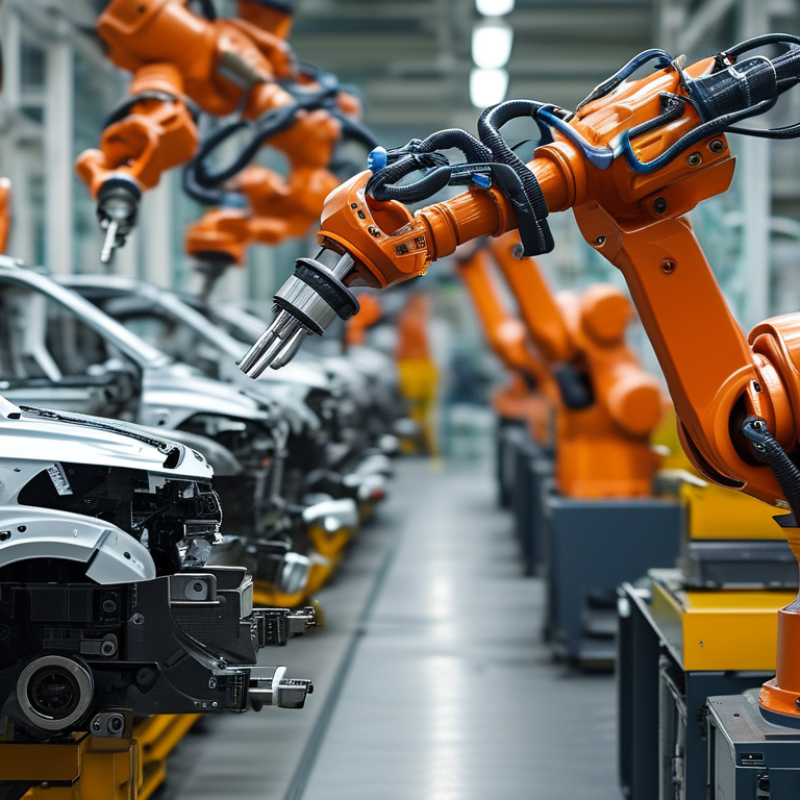
These systems integrate cameras and software to detect defects. They can identify inconsistencies that human eyes might miss. This technology enhances production efficiency. For instance, an automotive plant can quickly detect faulty parts, reducing waste and improving safety.
However, reliance on these systems has its challenges. Not every inspection is perfect. Some defects may still go unnoticed. Companies must continuously evaluate their systems for effectiveness. Regular updates and training are essential to fully leverage vision inspection systems. The balance between technology and human oversight remains vital in this evolving industry.
What Are Vision Inspection Systems?
Vision Inspection Systems (VIS) are advanced technologies that ensure product quality by using imaging techniques. These systems rely on cameras and sensors to capture images of products, detecting defects or deviations. They are commonly used in manufacturing and food processing industries, where precision and quality control are paramount.
In a typical VIS, the captured images are analyzed using software algorithms. These algorithms identify discrepancies such as color variations, missing components, or incorrect sizes. The systems can work at high speeds, providing real-time feedback to operators. Implementing these systems can significantly reduce human error and enhance operational efficiency.
It's essential to regularly maintain your vision inspection systems. Over time, lenses can become dirty, affecting image quality. Routine checks are necessary to ensure optimal performance. Additionally, training staff to understand system outputs is crucial. Misinterpretation of results can lead to overlooking critical defects. Consider integrating periodic reviews and updates to the inspection algorithms to adapt to new production requirements. Keeping the system updated fosters continuous improvement in product quality.
Key Components of Vision Inspection Systems
Vision inspection systems (VIS) play a critical role in quality control across various industries. These systems utilize advanced imaging technologies to detect defects, measure components, and ensure product conformity. Key components include cameras, lighting sources, processors, and software, each contributing to the system's overall effectiveness.
Cameras capture high-resolution images of items on the production line. These images are processed using sophisticated algorithms to identify anomalies. A report by MarketsandMarkets estimates the global vision inspection system market was valued at USD 2.2 billion in 2022 and is projected to reach USD 3.8 billion by 2027. This growth underscores the increasing reliance on automated inspections in manufacturing.
Lighting is essential for enhancing image quality. Various lighting techniques, such as backlighting or diffuse lighting, highlight features of interest. Additionally, software plays a vital role in data analysis and interpretation. It provides insights into production efficiency and defect rates. However, not all systems are foolproof. Factors like variations in lighting or camera angles can lead to missed defects. Continuous improvements in technology are necessary to address these challenges.
Vision Inspection Systems: Key Components Overview
How Vision Inspection Systems Work: A Step-by-Step Guide
Vision inspection systems have become essential in quality control across various industries. These systems use advanced imaging technology to detect defects and ensure products meet stringent quality standards. According to a report from Grand View Research, the global machine vision market is expected to reach $20 billion by 2028, highlighting the growing demand for automation in quality assurance.
The operation of a vision inspection system is systematic and precise. First, the item to be inspected is illuminated for clear visibility. High-resolution cameras capture images of the product. These images undergo processing by sophisticated algorithms. This step involves pattern recognition and analysis. Often, it is here that systems may struggle, especially with complex shapes. False negatives can occur, leading to undetected errors.
In many instances, the data from inspections helps to identify recurring defects, enabling proactive adjustments. Reports indicate a 30% reduction in defects when vision systems are integrated into production lines. However, ensuring accuracy is crucial. Misaligned cameras or improper lighting can lead to poor assessments, underscoring the need for regular system calibration and operator training. Continuous improvement through feedback is vital for maximizing efficiency and reliability.
Applications of Vision Inspection Systems Across Industries
Vision inspection systems are revolutionizing various industries by offering enhanced accuracy and efficiency in quality control. These systems utilize cameras and image processing software to analyze products in real-time. In manufacturing, they ensure that components meet specifications. The automotive industry, for example, employs these systems to detect surface defects on parts, preventing flawed items from reaching assembly lines.
In the food and beverage sector, vision inspection systems scan packaging for proper seals and labeling. This automation significantly reduces the risk of human error, ensuring safer consumer products. In pharmaceuticals, the systems check for correct pill counts and packaging integrity. These applications highlight the versatility and importance of vision inspection systems across different fields.
For businesses considering implementation, focus on system integration. Ensure that the vision inspection technology aligns with existing processes to maximize efficiency. Regularly review the inspection criteria to adapt to any new quality standards. Continuous training of your team on the system's operation fosters better understanding and utilization. While technology offers great potential, human oversight is still crucial in interpreting the results and making informed decisions.
Future Trends in Vision Inspection Technology
The evolution of vision inspection technology is leading to exciting changes. As industries embrace automation, the focus shifts to enhancing precision and efficiency. Future trends indicate a continuous integration of artificial intelligence in vision inspection systems. These systems will become smarter, learning from previous inspections to reduce errors over time. This adaptability can significantly lower operational costs while improving product quality.
Advancements in hardware will also play a crucial role. Enhanced cameras with higher resolution and faster processing speeds are on the horizon. These innovations allow for real-time analysis, delivering immediate feedback to ensure quality control. However, the reliance on technology raises concerns about adaptability to unforeseen issues. Human intervention remains vital, especially when systems encounter anomalies that require critical thinking. Balancing automation with the need for human insight will be a challenge for future developers.
Moreover, as these systems develop, data security becomes a pressing issue. With increasing amounts of data being handled, protecting sensitive information is paramount. Ensuring reliability while innovating in this area will require careful consideration. The potential for vision inspection technology is vast, but the journey forward needs both expertise and reflection on ethical implications.