What is a Robotic Handling System and How Does It Work?
In today's fast-paced industrial landscape, robotic handling systems play a pivotal role in enhancing efficiency. These systems are designed to automate the transportation, sorting, and packaging of goods. By incorporating advanced robotics and artificial intelligence, companies can streamline operations. Automation reduces human error and increases accuracy in repetitive tasks.
Robotic handling systems excel in various industries, from manufacturing to logistics. They are capable of lifting heavy items with precision, which minimizes the risk of workplace injuries. Yet, their implementation requires careful planning and integration. Businesses need to consider their specific needs and workflow before adopting such automated solutions.
Despite their advantages, challenges remain. For instance, managers must ensure that employees are trained to work alongside these systems effectively. There may be initial resistance to change, as employees adapt to new technologies. Overall, while robotic handling systems can transform operations, responsible integration is crucial for long-term success.

What Is a Robotic Handling System?
A robotic handling system embodies an advanced technology designed to enhance automation in various industries. It simplifies tasks like sorting, packaging, and assembly. According to Statista, the market size for industrial robots is expected to reach over $45 billion by 2025. This surge indicates a growing reliance on robotics for efficient handling processes.
These systems typically integrate sensors, actuators, and intelligent control systems. This combination allows robots to adapt to different tasks and environments. For example, a robotic arm can adjust its grip strength while handling delicate items. A report from the International Federation of Robotics highlights how robotic systems improve accuracy and reduce waste. However, not all implementations are flawless. Challenges like programming complexity and maintenance issues remain.
In addition, human-robot collaboration is a key trend. Many workplaces are blending robotic handling systems with human workers. A recent survey found that 40% of manufacturers intend to increase their investment in collaborative robots. This investment reflects a shift towards more flexible production lines. Nonetheless, companies must consider the balance between technological investment and human expertise to truly benefit from these systems.
Robotic Handling System Efficiency Comparison
Key Components of Robotic Handling Systems
Robotic handling systems are vital in modern manufacturing and logistics. They increase efficiency and reduce manual labor. Key components include robotic arms, sensors, and control systems. Each plays a crucial role in ensuring precision in tasks such as pick-and-place operations. According to a recent industry report, the robotic handling systems market is expected to reach $30 billion by 2025. This growth indicates their significant impact on various sectors.
Robotic arms are equipped with advanced motors and actuators. They mimic human-like movements, allowing them to handle diverse materials. Sensors provide feedback for real-time adjustments. This capability enhances accuracy and minimizes errors. However, the reliance on technology can pose challenges. Systems may require regular maintenance and calibration. A study found that 15% of robotic handling systems faced downtime due to technical issues.
Control systems are essential for coordinating the entire process. They manage the flow of information between components. A well-designed control system can lead to optimized performance. Still, adaptation to unexpected changes in an environment remains a challenge. Continuous improvements in artificial intelligence are expected to address these limitations. The evolution of robotic handling systems raises questions about the future of workforce dynamics in manufacturing.
How Robotic Handling Systems Operate
Robotic handling systems are designed to streamline the movement of materials and products. These systems incorporate a variety of technologies, such as sensors, actuators, and artificial intelligence. They can perform tasks like picking, placing, and transporting items with impressive speed and precision. The effectiveness of these systems often relies on their configuration and programming. Minor errors in coding can lead to inefficiencies.
The operation of robotic handling systems is intricate. They utilize vision systems to identify items and determine the best approach for handling them. For example, a robotic arm might use cameras to assess the weight and dimensions of a box. It then calculates how to lift it without dropping or damaging it. This process is crucial in industries such as manufacturing and logistics. Yet, these technologies are not infallible. A sudden obstacle could disrupt their processing, demanding human intervention.
The integration of robotic systems into workflows has brought both benefits and challenges. While they increase productivity, their reliance on software can introduce complications. Software updates may cause unintended issues, requiring troubleshooting. Additionally, workforce training is essential to ensure smooth operation. Employees need to understand how to manage both the machines and the occasional malfunctions they might encounter. Continuous improvement is vital in this evolving field.
Applications of Robotic Handling Systems in Various Industries
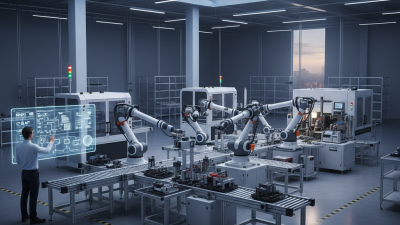
Robotic handling systems are increasingly vital across various industries. In manufacturing, these systems streamline processes like assembly and packaging. They reduce human error and boost precision. For instance, a robotic arm can pick and place components quickly. This efficiency is crucial in sectors like automotive and electronics.
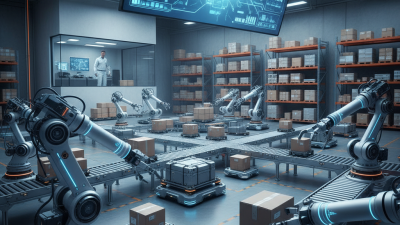
In warehouses, robotic handling systems enhance logistics. They automate tasks such as sorting and transporting goods. This not only speeds up operations but also boosts safety. Workers can focus on more complex tasks, relying on robots for repetitive work. However, some challenges exist. Maintenance can be a hurdle; robotic systems require regular checks to avoid breakdowns.
In agriculture, these systems are transforming operations. Robots handle planting and harvesting, increasing yield and efficiency. Yet, integration into existing systems can pose difficulties. Cost and training are significant barriers. Many industries must evaluate their readiness for such technology. The potential is immense, but clear strategies are essential for successful implementation.
Future Trends in Robotic Handling Technology
The evolution of robotic handling technology is significant. A recent report from the International Federation of Robotics predicts a growth rate of 15% in the global market by 2025. This shift reflects the increasing adoption of automation in various sectors. Industries like manufacturing, logistics, and healthcare are utilizing robotic systems to enhance efficiency and accuracy.
Future trends in this technology focus on collaboration. Collaborative robots, or cobots, can safely work alongside human workers. This partnership improves productivity while ensuring worker safety. Additionally, advancements in artificial intelligence are enabling robots to learn from their environments. This adaptive capability allows them to handle diverse tasks more effectively.
Data from various industry analyses shows that over 50% of logistics companies plan to invest in robotic systems in the next two years. However, challenges remain. Issues surrounding integration, workforce training, and maintenance need to be addressed. Companies must not only invest in technology but also re-evaluate their operational strategies. Balancing human and robotic efforts will be critical for future growth in this field.