How to Implement Production Line Automation in Manufacturing Processes?
In today’s competitive landscape, production line automation remains a key focus for many manufacturers. Industry expert Dr. Sarah Thompson emphasizes, “Automation is not just a trend; it’s a necessity for efficiency.” This statement resonates as businesses strive to enhance productivity while reducing costs. Implementing automation can streamline processes, minimize errors, and ensure consistent quality.
Yet, the journey towards effective production line automation is fraught with challenges. Companies often grapple with high upfront investments and the need for specialized training. Transitioning to automated systems requires thorough planning and adaptation. Leaders must weigh the benefits against potential disruptions in the workflow. While automation presents opportunities for innovation, its successful implementation demands a strategic approach.
Embracing production line automation also means fostering a culture of continuous improvement. Organizations should not shy away from evaluating their automation strategies regularly. This reflection can uncover insights into performance bottlenecks and areas for enhancement. By remaining open to changes, manufacturers can harness the full potential of automation, driving both growth and resilience in an ever-evolving market.
Understanding Production Line Automation in Manufacturing Processes
Understanding Production Line Automation in Manufacturing Processes
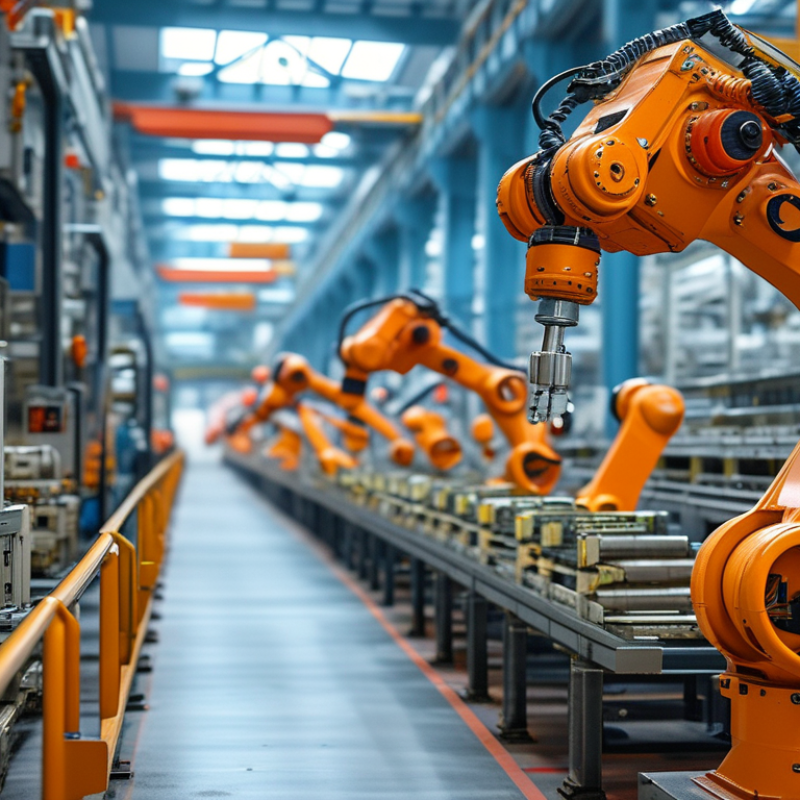
Production line automation is a transformative process in modern manufacturing. It involves the use of machines and technology to perform tasks with minimal human intervention. This shift can enhance efficiency and accuracy, reducing the chances of human error. Automation can streamline workflows and optimize resource allocation, allowing companies to respond quickly to market demands.
Implementing automation is not without challenges. A significant hurdle is the initial investment in technology. Businesses must assess whether this expenditure will yield long-term savings. Additionally, training staff to operate new machinery can be demanding. Employees may resist change, highlighting the need for effective communication.
**Tips:** Ensure to conduct a thorough analysis of your current processes. Identify bottlenecks and areas that could benefit from automation. Engaging employees in these discussions can lead to smoother transitions. Don't forget to pilot your automation solutions on a small scale first. This allows for necessary adjustments before full-scale implementation.
Identifying Key Technologies for Effective Automation Implementation
In modern manufacturing, automation is crucial for enhancing efficiency and reducing costs. Identifying key technologies is essential for successful implementation. A report from McKinsey indicates that automation can potentially boost productivity by up to 30%. This is significant and should be a primary goal for manufacturers.
Robots are often at the forefront of automation. They can perform repetitive tasks with precision. According to the International Federation of Robotics, 2.7 million industrial robots operated in factories as of 2020. While the technology has advanced, companies must address integration challenges. Many businesses struggle with the compatibility of old machinery and new systems. Without careful planning, the full benefits of automation may not be realized.
Data analytics is another critical technology for automation. Real-time data helps manufacturers optimize operations. The Harvard Business Review highlights that companies using predictive analytics can reduce downtime by 20%. However, reliance on data poses risks. Poor data quality can lead to misguided decisions. Manufacturers must invest in data governance and integrity to fully leverage automation's advantages. Balancing technology with human oversight remains a vital consideration.
Step-by-Step Guide to Designing Automated Production Systems
Designing automated production systems can be a transformative journey for manufacturers. Start by evaluating your current production processes. Identify repetitive tasks that may benefit from automation. Familiarizing yourself with existing workflows is essential. Collect data on speed, efficiency, and errors. New automation solutions are not always perfect. Take time to reflect on areas that need improvement.
Next, sketch out a blueprint for your automated system. Determine the types of machinery and software that fit your needs. Ensure that selected technologies can integrate with existing systems. Collaborating with technical experts can save time and resources. Testing each component is key. Trial runs will reveal glitches in the system. Gather feedback from operators. Sometimes, human insights can pinpoint issues that machines overlook.
Implementing training for staff is crucial. Employees should understand new technologies and their impact on tasks. Regular workshops can enhance their confidence and skill sets. Create a feedback loop to continuously refine the automation process. Monitor performance metrics and make adjustments as needed. Automation isn't a set-it-and-forget-it solution. It requires ongoing evaluation and adaptation.
How to Implement Production Line Automation in Manufacturing Processes?
| Step No. |
Step Description |
Estimated Duration (Days) |
Budget Estimate (USD) |
Key Considerations |
| 1 |
Assess Current Manufacturing Process |
10 |
5000 |
Identify bottlenecks and inefficiencies |
| 2 |
Define Automation Goals |
5 |
2000 |
Clarify objectives, e.g., reducing labor costs |
| 3 |
Research Automation Technologies |
15 |
8000 |
Consider robotics, conveyor systems, software |
| 4 |
Design Automated System Layout |
20 |
15000 |
Optimize workflow and space utilization |
| 5 |
Choose Automation Vendors |
10 |
3000 |
Evaluate vendor capabilities and support |
| 6 |
Implement Automation Solutions |
30 |
50000 |
Installation and programming of equipment |
| 7 |
Train Staff on New Systems |
15 |
2500 |
Ensure effective use of automation tools |
| 8 |
Monitor and Optimize Performance |
Ongoing |
N/A |
Make adjustments based on performance data |
Integrating Automation with Existing Manufacturing Workflows
Integrating automation into existing manufacturing workflows is both a challenge and opportunity. Many manufacturers face significant gaps when blending traditional methods with modern technology. To start, assessing current processes is crucial. Identify bottlenecks where automation could improve efficiency. Simple tasks like packing or sorting can be automated, leading to quicker output rates.
Training staff is another vital aspect. Employees must understand how to work alongside automated systems. Sometimes, there may be resistance to change. It's essential to address concerns and emphasize the benefits of automation. Regular workshops can help bridge this gap. Ensuring everyone is on board promotes a culture of innovation.
Software systems can also facilitate integration. A digital dashboard allows for real-time monitoring of performance. This transparency fosters reliability in the new system. However, unexpected technical issues may arise. Preparing for these challenges will aid in creating a resilient workflow. A flexible approach ensures that manufacturers can adapt to evolving demands over time. Embracing change is not always easy, but it's necessary for growth.
Measuring and Evaluating the Impact of Automation on Production Efficiency
Measuring the impact of automation in manufacturing is crucial.
Automation can enhance productivity and efficiency. According to a McKinsey report,
plants that implement automation can increase production efficiency by up to 30%. This substantial growth signals a shift in operational capabilities.
However, measuring this impact isn't straightforward. Companies often use Key Performance Indicators (KPIs) to track progress.
Metrics like cycle time, defect rates, and throughput are common. Yet, many organizations still struggle to interpret these data effectively.
For instance, a change in cycle time may not directly correlate with higher output. This misalignment can lead to overestimating automation's benefits.
Moreover, the integration of automation comes with challenges. Some workers fear job losses, affecting morale.
A recent survey found that 58% of employees believe automation could impact their roles negatively.
Addressing these concerns is vital for a smooth transition. Understanding both the benefits and potential drawbacks of automation can help organizations balance
efficiency with workforce stability.