Exploring the Future of Robotic Automation Systems in China?
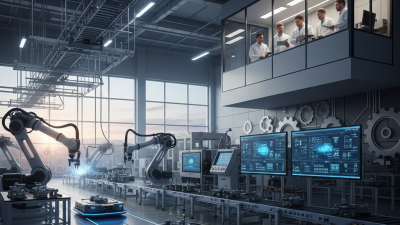
The landscape of robotic automation systems in China is rapidly evolving. As industries seek efficiency, these systems offer a promising solution. According to a report by the International Federation of Robotics, China's investment in automation technology is expected to reach $24 billion by 2025. This significant growth indicates a strong commitment to integrating automation within various sectors.
Industry expert Dr. Wei Zhang emphasizes the importance of this shift. He states, "Robotic automation systems will redefine productivity and enhance the competitive edge of Chinese manufacturers." This insight highlights both opportunities and challenges. While automation can drive productivity gains, there is a need for workforce training and adaptation. As businesses adopt these technologies, the need for skilled workers becomes crucial.
The future of robotic automation systems in China presents both excitement and uncertainty. Companies must navigate the complexities of implementation. Moreover, ethical considerations and job displacement issues call for thoughtful discussion. The path ahead will require a balanced approach to harness the advantages of automation while addressing its potential drawbacks.
The Current State of Robotic Automation Systems in China
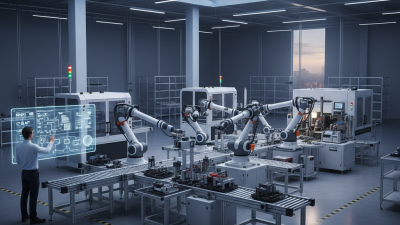
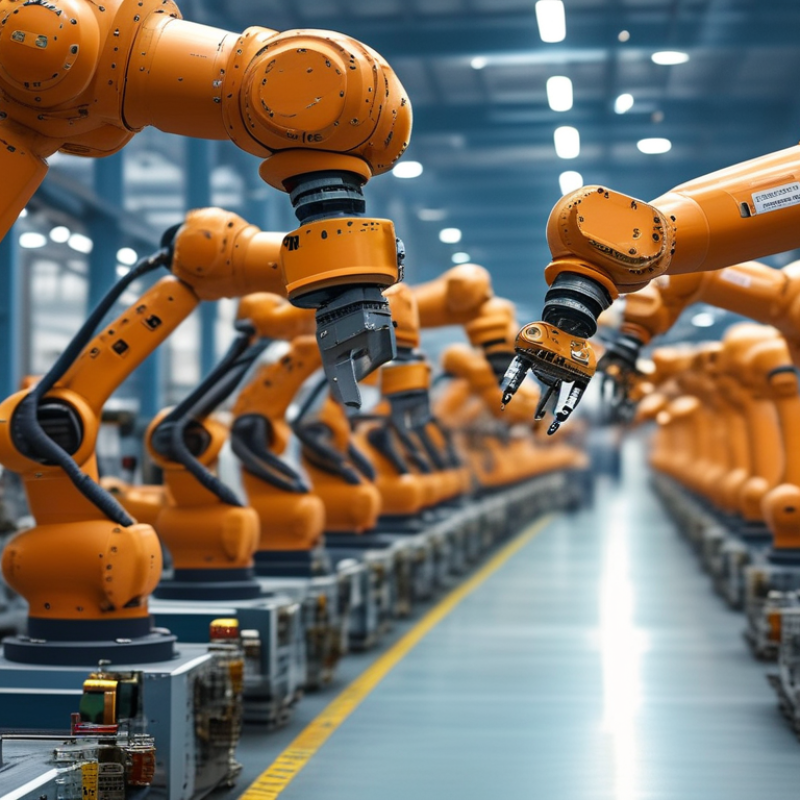
China's robotic automation systems are developing rapidly. Many factories have adopted robots for assembly and logistics. These systems enhance efficiency and reduce human error. However, challenges exist. The workforce must be trained to work alongside robots. Many workers fear job loss, leading to resistance against technology.
In urban areas, robots are increasingly seen in services. They deliver food and assist in elderly care. This brings convenience but also raises questions. How do we ensure safety and reliability? The technology may falter in unpredictable situations. Studies show that human interaction is still crucial. Trust in robots is not automatic; it takes time to build.
Looking ahead, integration of AI with robotic systems seems promising. This could enhance functionality and adaptability. However, ethical considerations arise. Automating jobs can hurt communities. A balanced approach is necessary. The future of robotics in China will need careful thought and a focus on human impact.
Key Industries Driving Automation Growth in China
The rise of robotic automation systems in China is driven by several key industries. Manufacturing leads the way, embracing automation to enhance productivity. Factories implement robots for assembly lines, painting, and packaging. This shift reduces labor costs and improves efficiency. However, the transition is not without challenges. Workforce displacement is a significant concern. Many workers fear losing their jobs as robots take over tasks.
Another industry fostering growth in automation is logistics. E-commerce companies are rapidly adopting automated systems for inventory management and transportation. Robotics streamlines operations, enabling faster deliveries and reducing human error. Yet, the reliance on technology raises questions about security and data privacy. Companies must ensure their systems are robust against cyber threats.
Healthcare is also increasingly turning to robotic solutions. Automation assists in surgeries, patient monitoring, and data management. While robotic tools enhance precision, they can also create a dependency on technology that may overlook human factors. Striking a balance between innovation and the human touch remains a critical area for reflection in this evolving landscape.
Challenges and Barriers to Robotic Automation Implementation
China’s journey into robotic automation is both exciting and challenging. Despite significant investment and rapid advancements, several barriers hinder progress. One major challenge is the skills gap in the workforce. Many employees lack the training required to work alongside advanced robotic systems. This gap creates resistance to change and slows down implementation.
Another obstacle is the perception of job displacement. Many workers fear that robots could replace them, leading to social unrest. These concerns can spark public pushback against automation initiatives. Companies must address these fears through education and involvement in the transition process.
Furthermore, regulatory frameworks in China can be slow to adapt. Inconsistent policies may create confusion for businesses trying to implement new technologies. Organizations experience delays in approvals and compliance issues, which can stifle innovation. A collaborative approach between government and industry is essential to streamline this process and foster a supportive environment for automation.
Government Policies and Support for Robotics Innovation
China's commitment to robotics innovation is evident through various government policies. In recent years, the Chinese government has implemented strategic initiatives aimed at advancing robotic automation. The “Made in China 2025” plan prioritizes robotics as a key sector for economic transformation, aiming to improve industrial efficiency. Reports indicate that the robotics market in China is projected to reach $56 billion by 2025, reflecting a compound annual growth rate (CAGR) of 20%.
Support from the government also manifests through funding and research incentives. The Ministry of Industry and Information Technology has allocated substantial resources for R&D in robotics. Furthermore, local governments are fostering innovation hubs, providing grants and tax breaks to startups in the robotics field. This dynamic environment attracts talent and investment, although challenges remain. The inconsistent quality of robotic solutions poses risks for businesses. Additionally, small enterprises often struggle to access the necessary resources for integration.
China's approach emphasizes a balance between rapid technology adoption and sustainable development. Policymakers must address the gaps in workforce training and skill development to fully leverage automation. Engaging with industry experts can help in establishing clear guidelines and standards. The path forward is exciting, but it requires constant reflection on how policies align with industry needs.
Exploring the Future of Robotic Automation Systems in China - Government Policies and Support for Robotics Innovation
| Policy Framework |
Government Support ($ Million) |
Investment in R&D ($ Million) |
Year of Implementation |
Focus Area |
| Robotics Industry Development Plan |
500 |
300 |
2016 |
Manufacturing Automation |
| Made in China 2025 |
800 |
500 |
2015 |
High-Tech Manufacturing |
| 13th Five-Year Plan |
700 |
400 |
2016 |
Robotics and AI |
| Digital Economy Development Strategy |
450 |
250 |
2017 |
Digital Technologies |
| Innovation-Driven Development Strategy |
600 |
350 |
2018 |
Research and Development |
Future Trends and Predictions for Robotics in China
The future of robotic automation systems in China showcases significant promise. As the nation continues to innovate, various sectors will witness substantial transformations. Manufacturing, healthcare, and logistics are ripe for adoption. Companies are increasingly integrating robotics to enhance efficiency and reduce labor costs. However, not all implementations achieve optimal results. Some companies face challenges in technology integration and workforce adaptation.
Tips: Embracing a gradual approach is advisable. Start with pilot programs to gauge effectiveness before full-scale deployment. Evaluate the technology's impact on employee roles. Employee training programs are crucial for successful integration. This ensures that the workforce adapts alongside the technology.
China's robotics landscape is evolving. The combination of artificial intelligence and robotics will likely lead to smarter automation systems. However, there are issues to address, such as the ethical implications of job displacement. Companies must carefully consider the balance between innovation and employment. Continuous dialogue between technology developers and employees is essential. This creates a more inclusive environment for change.
Predicted Growth of Robotic Automation Systems in China (2024-2030)