What Are the Best China Automated Inspection Systems?
China’s manufacturing sector is moving from manual sampling toward faster, traceable quality control. The International Federation of Robotics reported 276,288 industrial robot installations in China during 2023. This scale matters because inspection now connects with robots, conveyors, databases, and production planning. A camera alone is not an inspection strategy.
The best China automated inspection systems should match the defect, material, speed, and risk level. Vision cameras can detect scratches, missing parts, uneven seals, and incorrect labels. Laser sensors can measure height, width, and surface profiles. On a busy electronics line, a useful system must inspect each connector within milliseconds. It must also reject defective products without damaging good ones. That sounds simple. In practice, lighting changes, dust, reflective metal, and product variation can reduce accuracy.
Industry research supports this direction. The IFR’s World Robotics 2024 report shows China remains the world’s largest industrial robot market. Reports from the International Data Corporation also identify rising investment in smart manufacturing and industrial artificial intelligence across China. These trends create stronger demand for connected inspection equipment, not merely standalone cameras. However, marketing claims deserve careful testing. A high detection rate in a supplier demonstration may not represent performance across a full production shift.
This guide compares system architecture, imaging methods, integration, maintenance, data traceability, and total ownership cost. It also considers supplier engineering support and validation practice. The “best” solution is rarely the most expensive one. A reliable system should deliver stable results beside real operators, real vibration, and real production pressure. Some conclusions may remain conditional, because factory evidence is often limited. That limitation should be stated clearly.
What Are China Automated Inspection Systems?
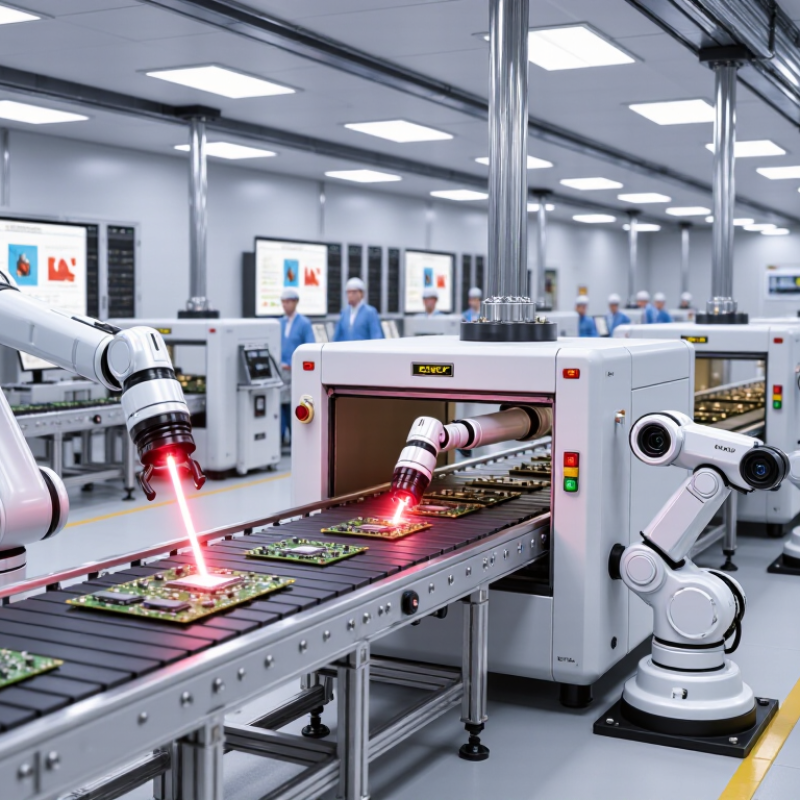
China automated inspection systems are integrated machines that detect defects during production. They combine industrial cameras, controlled lighting, lenses, sensors, software, and automatic rejection devices. Not just cameras. A controller compares each product with defined standards, then records results for traceability.
In practice, these systems inspect scratches, missing components, incorrect dimensions, surface contamination, and assembly errors. A camera may examine a battery cell while it moves beneath blue lighting. Another system checks connectors at several angles before packaging. China has strong demand for these solutions because factories often require high-speed, continuous inspection. The International Federation of Robotics reported 276,288 industrial robot installations in China in 2023, representing about 51% of global installations. This figure does not measure inspection directly, but it shows the automation environment supporting machine vision.
Market reports also indicate steady growth in industrial machine vision, especially across electronics, automotive, semiconductor, and logistics production. A useful system must tolerate vibration, changing reflections, dust, and product variation. That is where many projects struggle. A polished demo can mislead. Reflective metal may create false alarms, while poor lighting can hide tiny defects. Experienced integrators therefore test real samples, including damaged and borderline products, before final deployment. Human review still matters for unusual defects. The system should improve decisions, not pretend every production problem is perfectly predictable.
How China’s Automated Inspection Systems Work
What Are the Best China Automated Inspection Systems?
How China’s Automated Inspection Systems Work
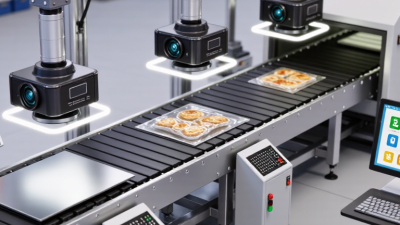
China’s automated inspection systems combine industrial cameras, controlled lighting, sensors, and software. They examine products while items move along a conveyor. A camera captures each surface at a fixed position. The system then compares the image with approved samples or programmed measurements. It can identify scratches, missing parts, incorrect labels, uneven edges, and size deviations.
In practical factory use, timing matters as much as image quality. A sensor detects the product, while a controller triggers the camera. Processing may happen locally to reduce delays. If the result fails, an actuator separates the item from the production flow. Data records can show defect types, inspection times, and equipment performance. This supports traceability and process improvement. However, no system is perfect. Dust, glare, vibration, or poor calibration can create false rejects. Human review remains useful during unusual conditions and system changes.
Tips: Use stable lighting and clean lenses. Test the system with real defects, not only ideal samples. Review false alarms every week. Keep a small set of difficult products for validation. Operators should understand both the software limits and the physical inspection process. A fast system is not always a reliable one. Calibration needs discipline.
Key Technologies Used in Automated Inspection
What Are the Best China Automated Inspection Systems?
Key technologies determine whether an automated inspection system performs reliably on a busy production line. Industrial cameras capture surface defects, missing parts, incorrect labels, and assembly errors at high speed. Structured-light scanners add depth data for checking dimensions, edges, and warped components. These tools matter when human inspectors cannot maintain consistent attention across long shifts.
Artificial intelligence improves this process by learning visual differences between acceptable and defective products. However, clean training images are not enough. Real factories contain dust, reflections, vibration, and changing light. A 2024 Deloitte Smart Manufacturing and Operations Survey reported that 92% of manufacturers view smart manufacturing as a major competitiveness factor within three years. That pressure is driving wider use of AI vision, edge computing, and connected sensors.
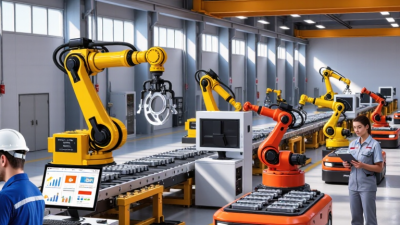
The International Federation of Robotics reported 276,288 industrial robot installations in China during 2023, representing more than half of global installations. Inspection systems increasingly connect with these robots for automatic sorting, measurement, and traceable decisions. Edge processors can reduce response time by analyzing images near the machine. Still, false rejects remain a practical weakness. A slightly scratched surface may pass one shift and fail another. Engineers should verify lighting, calibration, sampling methods, and human review before expanding production. The setup is rarely perfect. Safety controls and data protection also require regular testing, not one-time approval.
Major Industrial Applications in China
What Are the Best China Automated Inspection Systems?
In China, the best automated inspection system depends on the production task, not on technical complexity. On factory floors, reliable systems combine industrial cameras, structured lighting, artificial intelligence, and traceable quality records. The International Federation of Robotics reported 276,288 industrial robot installations in China during 2023, representing more than half of global installations. This scale shows strong automation demand. It does not guarantee accurate inspection.
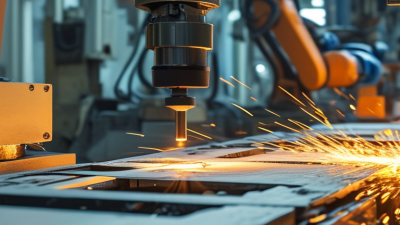
Automotive and battery factories use inspection systems to detect weld gaps, surface scratches, incorrect assembly, and cell defects. The China Association of Automobile Manufacturers reported 9.59 million new energy vehicles produced in 2023. That output requires rapid inspection at multiple stations. High-resolution cameras examine battery tabs within seconds. Thermal sensors can identify abnormal heat patterns. Still, reflective metal surfaces often create false alarms. Engineers must adjust lighting, camera angles, and training samples repeatedly.
Electronics factories apply machine vision to check connectors, solder joints, screen surfaces, and tiny component positions. Food processing plants inspect package seals, labels, weight, and foreign particles. The International Federation of Robotics notes that Chinese manufacturers continue expanding smart production capabilities. Yet inspection systems need clean lenses, stable lighting, and disciplined maintenance. A model may perform well in testing but fail after dust, vibration, or product changes. Human review remains useful for unusual defects, especially when safety and traceability matter.
What Are the Best China Automated Inspection Systems?
Major industrial applications in China are concentrated in fast-growing sectors such as new-energy vehicles, semiconductors, industrial robotics, and conventional automotive manufacturing. These industries commonly use machine vision, dimensional measurement, surface-defect detection, and inline quality-control systems.
The chart shows 2024 year-on-year production growth in key Chinese sectors served by automated inspection. Higher growth indicates expanding inspection demand, not automated-inspection market share. Data sources: China's National Bureau of Statistics and China Association of Automobile Manufacturers.