What Are the 7 Best Packaging Automation Systems?
A carton moves down the line, pauses at a misaligned sensor, and suddenly every station behind it waits. That small stoppage explains why packaging automation systems matter: they coordinate filling, sealing, labeling, inspection, and case packing, not merely replace manual tasks. The best system is rarely the fastest machine on a sales sheet. It is the one that fits the product, floor space, staffing, and changeover schedule.
The International Federation of Robotics reported 541,302 industrial robots installed worldwide in 2023 in World Robotics 2024. That figure covers many industries, not packaging alone, but it shows how broadly automation is being adopted. For packaging operations, the practical questions are more specific: Can the line handle several package sizes? Can operators clear a jam safely? Does the system provide useful production data, or just another screen to monitor?
Packaging machinery consultant John Henry’s practical advice is worth keeping in view: “Choose automation around the product and process, not the machine.” The precise fit matters. A compact case packer may help a crowded plant more than a high-speed line it cannot feed consistently. And even a well-designed system can disappoint when changeovers, training, or maintenance are overlooked. Not every operation needs full automation. This guide compares seven system types by their roles, strengths, and trade-offs, so buyers can judge what is useful—and what may be more machine than the job requires.
What Packaging Automation Systems Are and How They Work
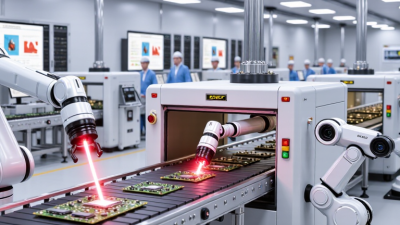
Packaging automation systems use connected equipment to move products through filling, sealing, labeling, inspection, and case packing. Conveyors carry items between stations, while sensors detect position, spacing, and sometimes package defects. A programmable controller coordinates these actions, adjusting timing when a line speeds up or pauses. For example, a photoelectric sensor can spot a carton approaching a label applicator, triggering the label at the right moment. Small timing errors matter. A label applied late may wrinkle or cover important information.
The system’s design depends on the product, package, and production rate. A line handling glass jars needs different guides and handling settings from one packing flexible pouches. Operators typically set parameters, load packaging materials, and watch for jams or unusual readings. Some systems also use checkweighers or vision cameras to flag packages outside set limits. They can reduce repetitive handling, but they do not remove the need for careful setup and routine checks. A sensor may miss a problem if it is dirty or poorly positioned. Automation is useful, not magic. In practice, a modest line with clear controls may work better than a complex system that staff find difficult to adjust.
Common Components of an Automated Packaging Line
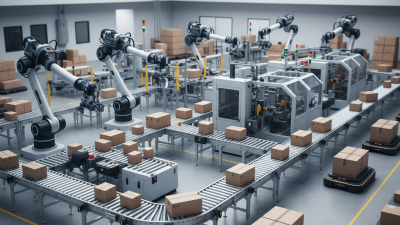
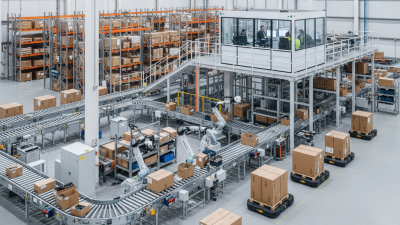
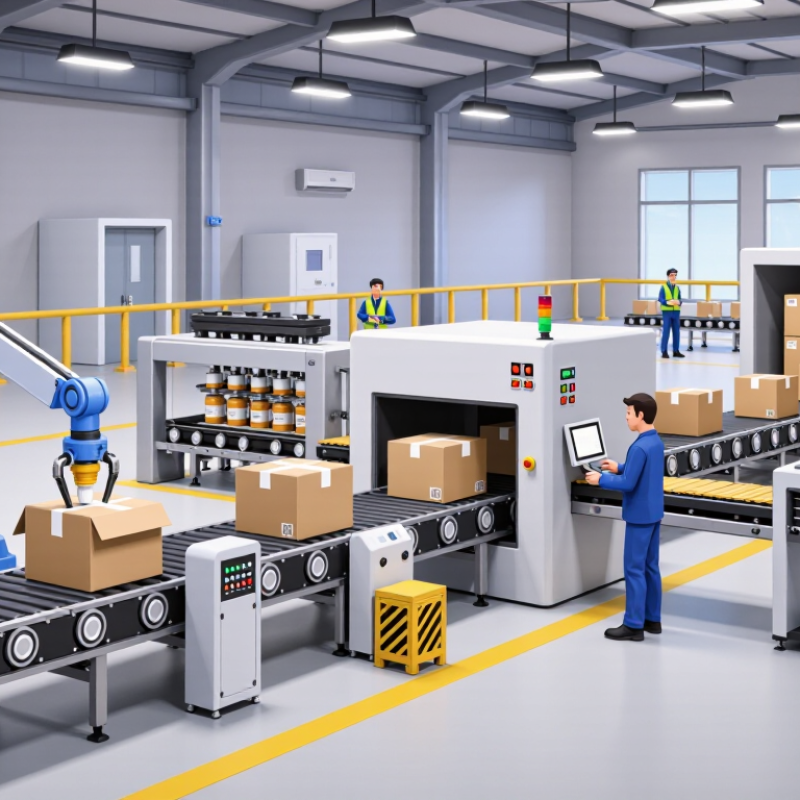
An automated packaging line is a sequence of connected stations, not one machine doing everything. Conveyors move products between tasks, while guides and accumulation tables help manage uneven flow. A feeder or orienter places items consistently before filling, weighing, or counting. Small details matter. A bottle that arrives slightly tilted can slow the whole line.
After filling, a capping or sealing station closes each package. Labelers apply product and tracking information, while vision systems or checkweighers can flag missing labels, damaged seals, or incorrect weights. Case packers then arrange finished units for shipping, and palletizing equipment stacks cases for handling. In practice, layouts rarely behave as neatly as diagrams suggest. A sensor may need repositioning, or a conveyor speed may need adjustment after observing real products.
Controls coordinate these components and let operators monitor faults, speeds, and production counts. Guarding and emergency stops are also essential parts of a well-designed line. For reliable performance, match equipment to the package’s size, material, and required output, then test the full sequence with actual products. The awkward cases reveal a lot. A line that runs smoothly with one package may struggle when formats change, so changeover time deserves attention during planning.
Criteria for Comparing Packaging Automation Systems
A useful comparison of the seven best packaging automation systems starts with the actual production line, not a headline speed. Measure cartons or units per minute during normal shifts, then check changeover time, reject rates, and performance with different package sizes. A system that runs quickly on one box may slow down when operators switch formats. Also compare integration with conveyors, inspection equipment, and existing production software. IFR’s World Robotics 2024 report recorded 541,302 industrial robots installed worldwide in 2023. This is a broad automation benchmark, not a packaging-only figure, but it shows why integration and support matter.
Tips: Request a live trial using your own products. Time a format change. Inspect seals, labels, and rejected packs. Ask how faults are diagnosed, and price spare parts and training before comparing quotes.
Then estimate total cost across the system’s expected service life. Include installation, energy, maintenance, consumables, and planned downtime—not just purchase price. Check guarding, operator access, and how quickly a jam can be cleared safely. Ask vendors for uptime data from comparable lines, and clarify how each figure was measured. Small details matter: a sensor placed poorly can cause repeated stops. Forecasts also miss messy shifts. Leave room in the evaluation for operator feedback and a second trial before choosing.
Seven Leading Packaging Automation Systems and Their Applications
Packaging automation works best when each system solves a clear production problem. The International Federation of Robotics reported 541,302 industrial robots installed worldwide in 2023, with 4.28 million operating across industries (World Robotics 2024). These figures describe industrial robots generally, not packaging machines alone. Still, they show how widely automated handling is used.
Seven systems cover common packaging tasks.
-
Case erectors open and square cartons for distribution lines.
-
Filling and dosing systems handle liquids, powders, or granules, where accuracy helps limit spills and product variation.
-
Capping and sealing equipment closes bottles, tubs, or pouches.
-
Labeling and coding systems apply product information and batch details.
-
Vision inspection checks seals, label position, and visible defects; a poorly lit camera station can miss flaws.
-
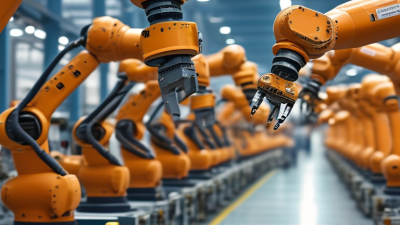
Robotic pick-and-place systems load products into trays or cartons, especially when shapes vary.
-
Palletizing and stretch-wrapping systems stack finished cases and secure loads for storage or shipment.
The right choice depends on product, speed, and changeover frequency. A small producer switching between pouch sizes may need flexible tooling more than maximum line speed. A beverage line may prioritize filling accuracy and reliable cap placement. Conveyors and controls must also coordinate these machines, or a fast unit can simply create a queue downstream. Vendors’ rated speeds are useful, but actual output can fall during changeovers, cleaning, or minor jams. Test with real packaging materials. And leave room for adjustment.
How to Select a System for Your Production Needs
Choosing among packaging automation systems starts with the work your line actually does. A case erector, carton sealer, labeler, palletizer, and stretch wrapper solve different bottlenecks. Track units per minute, package sizes, changeover frequency, and downtime for several shifts. Watch the line during a busy run, not only during a quiet demonstration. A machine rated for 30 cartons per minute may still slow production if operators must clear frequent jams.
Match the equipment to your product and available space. Measure cartons, check whether packaging materials vary, and note the distance between stations. A compact labeler may fit beside a conveyor, while a palletizing cell needs room for safe access and finished loads.
Ask how quickly settings can be changed and what routine maintenance requires. Then compare purchase and operating costs, including labor, spare parts, training, and energy. That matters. Request a trial using your own packaging; sample materials can behave differently from the supplier’s test stock.
Speak with operators and maintenance staff before deciding. Their feedback may expose awkward tasks a spreadsheet misses. No scoring method is perfect, and one detail is easy to overlook: leave room for future product changes.
The best system is the one your team can run reliably, at the pace your production needs.