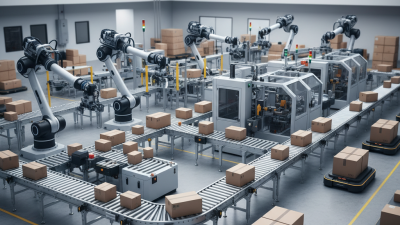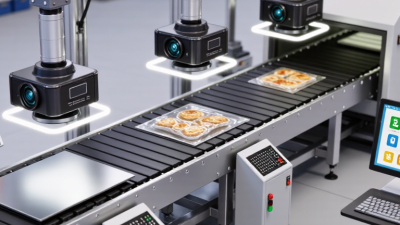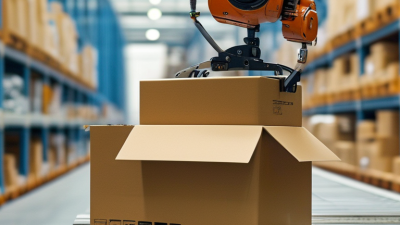


Why choose automated packaging systems when labor, energy, and equipment costs continue to fluctuate? The answer begins with control. Automated packaging systems can coordinate filling, sealing, labeling, inspection, and case packing with consistent timing. A carton moves down the line. Sensors verify its position. Cameras check the seal. Reject systems remove damaged packs before shipment.
PMMI’s 2024 State of the Industry report identifies labor availability, retention, and productivity as continuing concerns for packaging manufacturers. Its 2024 Packaging Machinery Shipments Study also reports ongoing investment in automation across food, beverage, pharmaceutical, and consumer goods operations. Smithers’ market analysis further shows that global packaging demand continues to expand, increasing pressure on plants to produce more with fewer interruptions.
Pierre Pienaar, president of the World Packaging Organisation, has said, “Packaging is the silent salesperson.” That observation remains practical. A stable seal protects the product. A readable label supports traceability. A uniform pack communicates quality on a crowded shelf.
Automation is not magic. Poorly selected equipment can create expensive bottlenecks. Integration also requires trained operators, preventive maintenance, and realistic production data. This is where experience matters. A line running at impressive speed may still waste materials or increase downtime.
The strongest case for automated packaging systems is therefore not speed alone. It is measurable consistency, safer handling, better data, and scalable production. The right system should fit the product, workforce, facility, and future demand. That decision deserves evidence, not optimism.
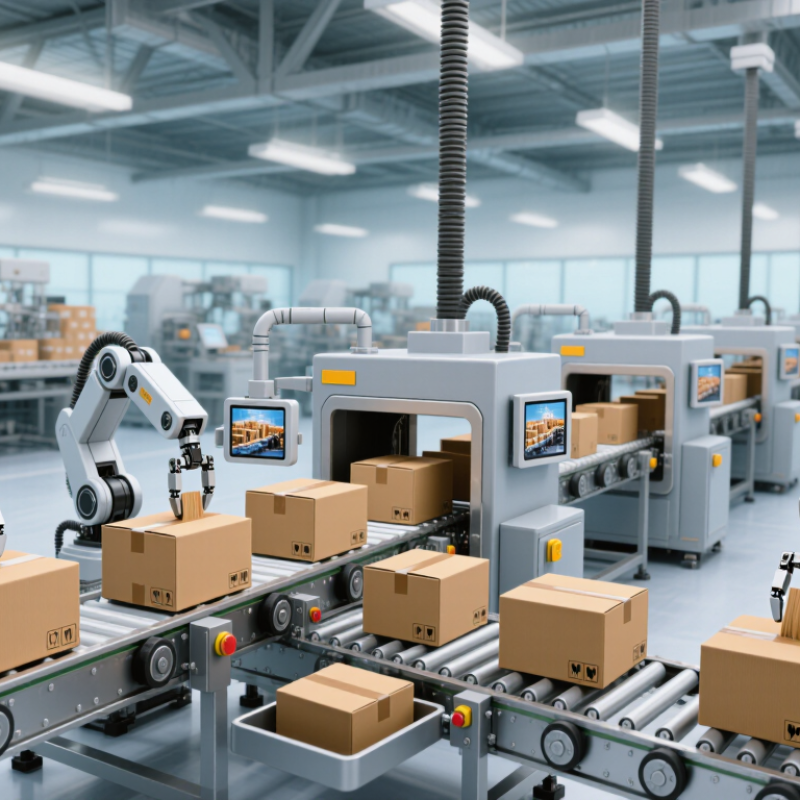
Automated packaging systems are coordinated machines that prepare, fill, close, label, and inspect products with limited manual handling. A typical line uses conveyors, sensors, weighing equipment, sealing units, and a programmable control system. Each component performs a defined step. Together, they create a repeatable packaging process.
In practical operations, an empty container moves into position, then a measured product enters it. Sensors check alignment before the sealing head closes the package. A camera or barcode reader may verify the label afterward. If the weight or position falls outside the set range, the system can remove that package from the line. These checks support consistent quality records and reduce avoidable handling mistakes.
Automation is not a magic solution. Product texture, container shape, humidity, and speed can affect performance. A powder may bridge inside a feeder, while a soft pouch may wrinkle during sealing. Experienced technicians adjust timing, temperatures, and filling settings through controlled tests. Operators still need training, cleaning procedures, and documented inspections. Small errors matter. A poorly calibrated scale can quietly affect hundreds of packages. Regular maintenance improves reliability, although every system requires thoughtful review when materials or package designs change.
Automated packaging systems integrate equipment, sensors, software, and conveyors to perform tasks such as filling, sealing, labeling, inspection, and palletizing with limited manual intervention. The continued growth of industrial automation highlights the increasing role of automated equipment in modern production and packaging operations.
Global annual installations of industrial robots, 2019–2023, measured in units. Source: International Federation of Robotics, World Robotics 2024.
Automated packaging systems work through connected stages that guide each product from filling to final sealing. Products arrive on a conveyor, often in a steady, measured flow. Sensors detect position, spacing, and package size. A programmable controller compares this information with preset settings. It then directs motors, fillers, sealers, and labeling units. Timing matters.
A filling unit measures the required amount before releasing it into each container. The sealing station closes the package using controlled pressure, heat, or adhesive. Cameras inspect print quality, alignment, and visible defects. Checkweighers verify the finished weight. If a package fails inspection, a separate mechanism removes it from the line. Operators review the data through a control panel and adjust speed or dosage when conditions change.
Practical setup requires careful testing. Technicians run empty containers first, then introduce real materials at a low speed. A small change in product texture can affect filling accuracy. Dust may also reduce sensor reliability. Automation is not flawless. A misplaced sensor can create repeated errors before anyone notices. The awkward lesson is that skilled workers remain essential. They clean contact points, confirm readings, and investigate unusual patterns. Different packages may require different settings, even when their dimensions look similar. Good systems leave room for manual checks, maintenance access, and safer adjustment procedures.
Automated packaging systems improve operations by stabilizing repetitive work. A case-packing line can form cartons, load products, seal boxes, and print codes with fewer manual handoffs. According to the International Federation of Robotics’ World Robotics 2024 report, 541,302 industrial robots were installed globally in 2023. This wider manufacturing trend reflects a practical need: consistent output during labor shortages and demand spikes.
Speed is only one benefit. Automated equipment records cycle times, rejects, stoppages, and material use. Supervisors can then find why a sealing station loses eight minutes each hour. PMMI’s 2023 report on packaging automation identifies labor availability, productivity, and operational flexibility as major investment drivers. In daily use, a controlled film feed may reduce uneven wraps, while automatic changeover settings can shorten product transitions. Less waste matters.
Not every line improves immediately. Poor sensors, weak maintenance routines, or inaccurate product data can create faster mistakes. That is the uncomfortable part. Systems should be tested with real cartons, damp products, awkward shapes, and short production runs. Energy consumption also deserves measurement, not assumption. The U.S. Department of Energy reports that motor-driven systems account for a significant share of industrial electricity use, so efficient motors and standby controls can affect operating costs. Human oversight still matters, especially during quality checks and unexpected jams.
Choosing automated packaging systems starts with the product, not the machine. Teams should examine package dimensions, weight, fragility, moisture sensitivity, and daily volume. A rigid carton needs different handling than a flexible pouch. Product variation matters. In production reviews, I have seen attractive systems struggle when product sizes changed seasonally. Selection should begin with actual samples and recorded operating data, not a brochure’s maximum speed.
Throughput is important, but usable throughput is more revealing. Ask how quickly the system runs during changeovers, cleaning, inspection, and minor stoppages. Measure labor hours, material waste, rejected packs, and recovery time after faults. A line rated for 120 packs per minute may deliver far less on a mixed-product schedule. Request a live trial with normal materials and realistic operators. Watch the infeed. Poor alignment there can create repeated jams downstream.
Safety, sanitation, and maintenance should guide the decision equally. Operators need clear access, guarded moving parts, and controls that reduce avoidable errors. Maintenance teams should inspect tool access, spare-part availability, software support, and diagnostic clarity. Energy use and floor space also affect long-term cost. A system that saves labor but consumes excessive film deserves closer questioning. I would challenge optimistic payback estimates, because training delays and product launches rarely follow the spreadsheet. Document assumptions, test failure scenarios, and involve the people who will run the equipment every shift.
Implementing automated packaging systems should begin with the process, not the machine. Map each step, from product feeding to pallet release, and record cycle time, error rates, changeover duration, and manual lifting. The International Federation of Robotics reported 541,302 industrial robots were installed worldwide in 2023, showing strong automation momentum. However, adoption alone does not create value. A poorly measured process can simply produce mistakes faster.
Start with one repetitive operation, such as carton forming or label inspection. Choose equipment that matches product sizes, production volume, hygiene requirements, and future demand. During trials, operators should test jams, product variation, cleaning access, and emergency procedures. Their experience often reveals problems missed by engineering drawings. Deloitte’s 2023 Smart Manufacturing and Operations Survey found that 86% of manufacturing leaders expect smart manufacturing to become a primary competitiveness factor within five years. The target is practical improvement, not impressive technology.
Train people before full deployment. Provide clear work instructions, fault-response practice, and maintenance schedules based on actual operating conditions. Track overall equipment effectiveness, scrap, downtime, and labor safety monthly. Keep spare sensors and critical wear parts available. Small details matter. The first design may be too ambitious. Some tasks still need human judgment, especially during frequent product changes or unstable demand. Review the system after 30, 60, and 90 days, then adjust speeds, tooling, or staffing based on evidence rather than assumptions. (International Federation of Robotics, World Robotics 2024; Deloitte, 2023 Smart Manufacturing and Operations Survey)