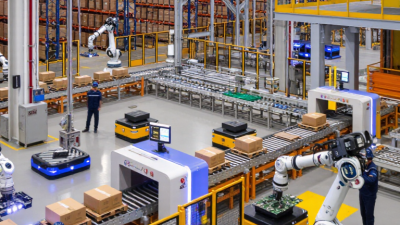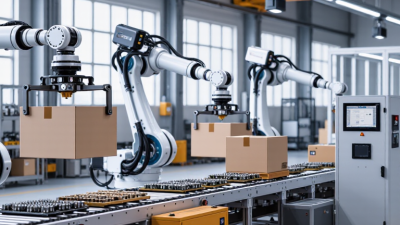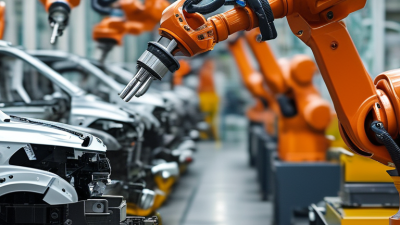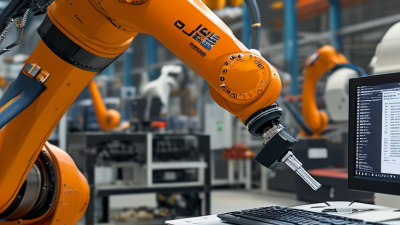

What are robotic handling systems? They are integrated machines that move, position, load, unload, or sort materials with repeatable accuracy. A typical system may combine robotic arms, grippers, conveyors, sensors, vision cameras, and control software. Picture a packaging line where a robot lifts cartons, checks their orientation, and places them onto a pallet every few seconds. The task looks simple. The engineering is not.
The International Federation of Robotics reported 541,302 industrial robots installed worldwide in 2023 in its World Robotics 2024 report. That figure shows how deeply automation has entered modern production. Robotic handling systems support manufacturers facing labor shortages, demanding production schedules, and strict consistency requirements. They can reduce repetitive lifting, improve cycle-time stability, and create clearer production data. However, performance depends on more than the robot itself. Product variation, gripper design, sensor accuracy, floor space, and operator training all matter.
No system is flawless. A poorly designed end-effector may drop delicate products, while an inaccurate vision model can create stoppages. The MHI 2024 Annual Industry Report also identifies robotics and automation as major supply-chain investment priorities, but investment alone does not guarantee results. Reliable deployment requires process studies, risk assessments, maintenance planning, and measurable acceptance criteria. In practice, the best system is not always the fastest one. It is the system that handles real products safely, consistently, and economically over time. This guide explains the core components, operating principles, applications, benefits, and limitations of robotic handling systems.
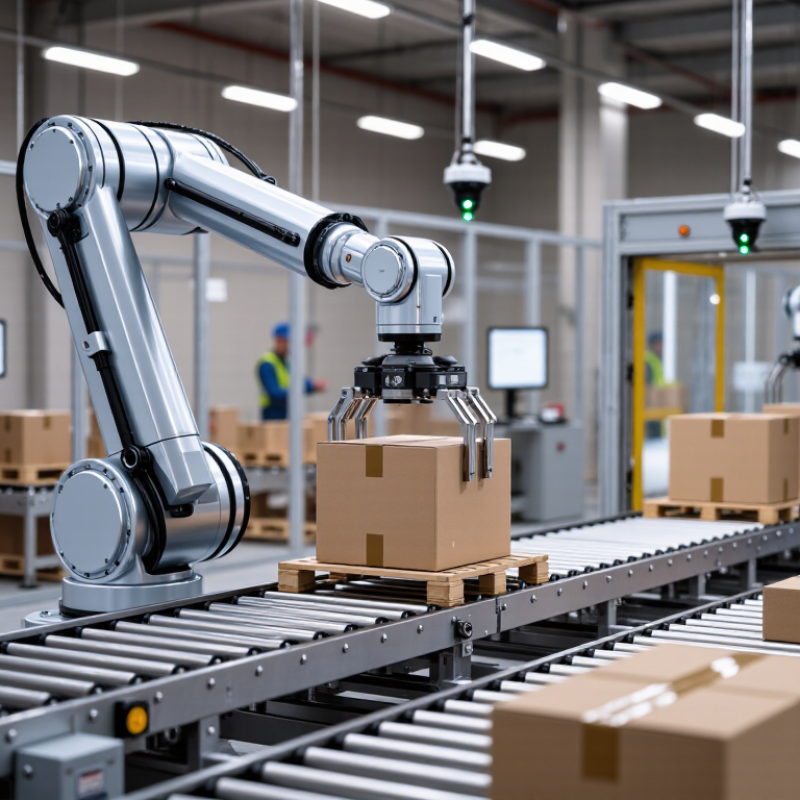
Robotic handling systems use programmed machines to move, position, or orient materials during production. A typical cell combines a robot arm, gripper, sensors, controls, and safety equipment. Together, these parts pick components from a conveyor, place them in fixtures, or load a machine. The core functions are material transfer, part positioning, sorting, palletizing, and machine tending. Some systems also inspect items or adjust their grip using sensor feedback. They do not make every process fully autonomous; people still set up, monitor, and maintain the equipment.
The International Federation of Robotics reported 541,302 industrial robot installations worldwide in 2023, with 4,281,585 robots in operation. These figures show the scale of industrial automation, though they do not represent handling systems alone.
In practice, suitability depends on payload, reach, cycle time, part variation, and the surrounding workflow. A gripper that handles a rigid metal bracket may not reliably lift a soft, shifting package. Small details matter. Poorly placed sensors or inconsistent parts can interrupt an otherwise fast cell. It is easy to underestimate integration and upkeep.
Tips: Test with real parts, not just drawings. Check grip stability, placement accuracy, and recovery steps after a missed pick. Record cycle times across full shifts; a quick demonstration can hide delays. Keep the first application simple.
A robotic handling system is more than a robot arm. Its architecture connects the machine, tooling, sensors, controls, and material flow. The robot provides movement, while an end effector grips, lifts, or positions each item. A vacuum cup may suit flat packaging; a mechanical gripper may hold a metal part more securely. Small details matter.
Fixtures and conveyors keep workpieces in predictable locations. Sensors check presence, orientation, and sometimes dimensions before the robot moves. The robot controller manages motion, while a cell-level controller coordinates equipment such as conveyors and doors. Clear signals between these layers help prevent a robot from reaching for an empty station or placing a part before its fixture is ready.
Safety equipment, including guarded zones and access interlocks, shapes the cell layout and operating sequence. Maintenance access matters too; a design that is difficult to inspect can lead to avoidable downtime. In practice, cycle time is only one design measure. Grip reliability, part variation, and recovery from a stopped cycle also deserve attention. A neat simulation can still miss a cable snag or a part that shifts slightly on a belt. That can change. Engineers should test representative parts and real operating conditions, then adjust the architecture when evidence points to a weak handoff.
| System Layer | Main Component | Purpose | Typical Interfaces or Data | Key Design Considerations |
|---|---|---|---|---|
| Workcell | Industrial robot arm | Moves, positions, or orients parts between handling points and process equipment. | Robot controller; motion commands; joint and tool-position feedback. | Payload, reach, repeatability, cycle time, mounting position, and suitability for the task. |
| Workcell | End-of-arm tooling | Grips or supports the workpiece during pickup, transfer, and placement. | Mechanical tool mounting; pneumatic, electrical, or vacuum connections; grip-status signals. | Part shape and weight, gripping force, surface sensitivity, tool-change needs, and utility routing. |
| Workcell | Part presentation and fixtures | Supply parts in accessible locations and locate them consistently for handling. | Conveyors, trays, pallets, nests, stops, and presence sensors. | Part variation, orientation, replenishment method, locating accuracy, and access for operators. |
| Sensing | Presence and position sensors | Confirm part arrival, fixture status, and other conditions needed before a move. | Discrete inputs or fieldbus signals to the robot controller or PLC. | Detection range, response time, mounting, environmental conditions, and fault handling. |
| Sensing | Machine vision system | Detects part location, orientation, or selected visual features when fixed presentation is insufficient. | Images, position and orientation results, trigger signals, and inspection status. | Lighting, camera placement, field of view, calibration, occlusion, and required detection accuracy. |
| Control | Robot controller | Executes robot motion, manages tool actions, and reports robot status. | Motion programs, I/O, safety signals, and industrial network communications. | Motion limits, recovery procedures, program management, and coordination with other equipment. |
| Control | PLC or cell controller | Sequences the workcell and coordinates the robot, conveyors, sensors, and machines. | Digital and analog I/O; industrial Ethernet or other supported fieldbus protocols. | Clear division of control responsibilities, interlocks, fault reporting, and maintainability. |
| Safety | Safety system | Reduces risk by monitoring protective devices and controlling hazardous motion. | Safety-rated signals from devices such as interlocked guards, scanners, or emergency-stop controls. | Application-specific risk assessment, safeguarding layout, access points, and validation. |
| Operator interface | Human-machine interface (HMI) | Displays operating state and supports authorized actions such as mode selection and fault recovery. | Status messages, alarms, recipes, counters, and operator commands. | Readable messages, role-based access, clear recovery instructions, and appropriate operating modes. |
| Plant integration | Production and monitoring systems | Exchange production information and performance data with higher-level systems when required. | Job or recipe data, cycle counts, availability, alarms, and quality records. | Data ownership, network security, required update frequency, and operation during communication loss. |
| System architecture | Typical information and control flow | Production request → cell controller → robot and equipment sequence → sensing and status feedback → completion or fault report. | Define interfaces, handshakes, safe states, and recovery behavior for each connected device. | |
| Values and component choices depend on the application. Payload, reach, cycle time, precision, safeguarding, and communication requirements should be specified for the actual workcell. | ||||
Robotic handling systems move, position, or orient materials during production and packaging. Their design depends on an item’s weight, shape, surface, and required cycle time. A small vacuum gripper may lift flat cartons, while a mechanical clamp can hold metal parts securely. Fit matters.
Pick-and-place robots transfer components between conveyors, trays, and assembly stations. They are common in electronics and food packaging, where consistent placement can reduce repetitive manual work. Machine-tending systems load and unload equipment such as presses or CNC machines. Operators should check reach, payload, door access, and part presentation before choosing a setup. A robot that reaches the machine may still struggle with a cramped fixture.
Palletizing systems stack boxes onto pallets, often at the end of a production line. Gantry robots suit large work areas and predictable paths, while articulated arms can handle varied positions in tighter cells. Collaborative robots may support shared workspaces, but they still need a task-specific risk assessment and suitable safeguards. Real installations also depend on reliable feeding, gripper changes, and clear recovery procedures when a part shifts. That detail is easy to underestimate. A brief pilot with actual parts can expose awkward orientations or cycle delays before full integration.
Robotic handling systems move, position, and sort materials during production. They use mechanical arms, grippers, sensors, and control software. A typical cycle begins when a sensor detects an incoming part. The controller then checks its position, size, and orientation. The robot selects a programmed path and collects the part. It places the item into a machine, container, or work area. This process reduces repetitive lifting and keeps movement consistent.
In practical workflows, timing matters as much as movement. The robot must communicate with conveyors, inspection devices, and nearby equipment. Safety controls stop motion when a person enters a restricted area. Engineers also test grip pressure, payload limits, and emergency responses. The first cycle is rarely perfect. A slightly misaligned part can cause repeated faults. During reviews, technicians often discover that lighting or dust affects sensor accuracy. These details deserve attention before full production begins.
Tips: Keep workspaces clear and label handling zones. Test different part shapes, surfaces, and weights. Record failed cycles instead of hiding them. Regular inspection helps identify worn grippers, loose connections, and software errors. Human oversight still matters. A reliable system is not simply fast; it is predictable, maintainable, and safe for the people working nearby.
Robotic handling systems move, orient, load, or unload materials with programmed mechanical arms and supporting equipment. In a well-designed cell, they reduce repetitive lifting and keep cycle times consistent. They can also improve traceability by recording movements, faults, and production counts. Operators often gain relief from awkward reaches and repeated wrist rotation. That matters. The strongest benefit appears when work is predictable, repetitive, and physically demanding. A stable gripper can place parts more accurately than tired hands during a long shift.
The technology is not automatically efficient. Installation may require layout changes, guarding, electrical work, and careful process integration. Highly variable parts can confuse vision systems or require frequent tool changes. A small sensor failure may stop an entire line. Maintenance skills are essential, yet training is sometimes treated as an afterthought. Robotic cells also need capital, floor space, and realistic return calculations. I have seen projects judged by speed alone. That is a mistake. Changeover time, rejected parts, software updates, and fault recovery can quietly erase expected gains.
Safety begins with a task-based risk assessment, not the robot’s speed rating. Engineers should identify crush zones, pinch points, sharp edges, dropped loads, and unexpected starts. Physical guarding, interlocked doors, presence sensing, and reachable emergency stops should match the workflow. Workers need practical instruction on operation, jam clearing, isolation, and restart procedures. Energy must be isolated before maintenance. Stop first. Never reach into a moving cell. Regular inspections should check grippers, cables, fasteners, sensors, and guarding. Procedures may look complete on paper but fail under production pressure. That uncomfortable gap deserves honest review.
Robotic handling systems automate the movement, positioning, picking, packing, and palletizing of materials. The chart shows representative payload ranges commonly associated with different handling applications.
Robots can improve repeatability, reduce manual lifting, support continuous operation, and perform handling tasks in environments that may be repetitive, hot, dusty, or hazardous.
Performance depends on payload, reach, cycle time, gripper design, layout, programming, maintenance, and the consistency of the materials being handled.
A documented risk assessment, guarding or validated safety functions, safe access control, emergency stopping, training, and compliance with applicable machinery and robot safety standards are essential.
Payload values are representative industry ranges for system planning and are not manufacturer-specific specifications. Actual capability depends on robot configuration, reach, speed, tooling, and safety requirements.