What Are the Benefits of Smart Manufacturing Systems?
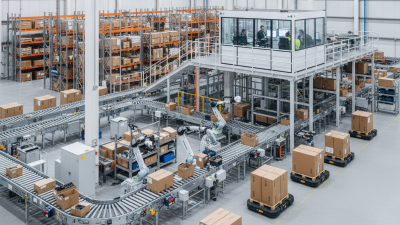
In today's fast-paced industrial landscape, smart manufacturing systems play a crucial role. These systems integrate advanced technologies like IoT, AI, and robotics. Their benefits are significant, transforming how manufacturers operate.
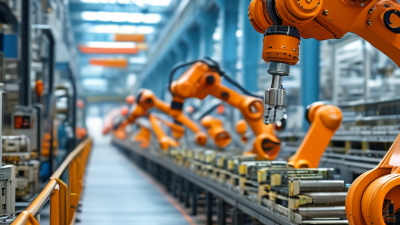
Smart manufacturing systems enhance efficiency and productivity. They allow real-time data collection and analysis. This leads to informed decision-making. Through automation, companies can reduce labor costs. Additionally, they can minimize errors, which improves product quality.
However, implementing smart manufacturing requires careful planning. Challenges may include high initial costs and the need for skilled workers. Companies must assess these aspects closely. Despite potential drawbacks, the advantages of smart manufacturing systems are undeniable. They offer a path toward a more innovative and competitive future.
Understanding Smart Manufacturing Systems
Smart manufacturing systems bring a transformative approach to the manufacturing sector. These systems leverage advanced technologies, such as IoT and AI, to enhance efficiency and flexibility. By utilizing real-time data, manufacturers can optimize operations and reduce waste. This integration leads to faster production cycles and improved product quality.
To succeed in adopting smart manufacturing, focus on gradual implementation. Start with small-scale projects to test your systems. Analyze the data collected to understand your current operations better. This practice will help identify areas for improvement. Additionally, training employees is crucial. As technology evolves, your team needs to adapt to new processes and tools.
Another useful strategy is to always listen to customer feedback. This can inform design improvements and adaptations. A responsive approach to manufacturing can keep you ahead of competitors. Don’t shy away from exploring potential setbacks. Analyzing failures encourages a culture of continuous improvement and innovation. Balancing technology with human insight can create a resilient manufacturing environment.
Key Features of Smart Manufacturing Technologies
Smart manufacturing systems incorporate advanced technologies for more efficient production. These technologies include the Internet of Things (IoT), artificial intelligence (AI), and cloud computing. Each feature enhances productivity and reduces costs.
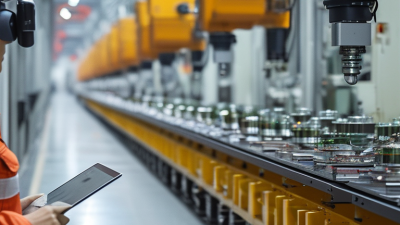
IoT devices collect real-time data from machinery. This data provides insights into equipment performance. Companies can identify potential issues before they become significant problems. AI algorithms analyze this data to optimize production processes. Automated systems can adjust operations based on current conditions, ensuring maximum efficiency.
Focusing on employee training is essential when integrating smart technologies. Workers need to understand the new systems fully. Continuous learning increases adaptability and can lead to better job satisfaction. The shift might feel overwhelming, but building a knowledgeable workforce is crucial.
Data security is another critical aspect. As systems become interconnected, vulnerabilities could be exposed. Companies should regularly update their security protocols. Regular assessments of data privacy practices will enhance reliability. Embracing these key features will ultimately lead to sustainable growth in manufacturing.
Enhanced Efficiency and Productivity through Smart Manufacturing
Smart manufacturing systems are reshaping the landscape of production efficiency. By incorporating advanced technologies, such as IoT and AI, companies can optimize their operations significantly. Recent studies show that smart manufacturing can boost productivity by 20% to 30%. This improvement comes from real-time data collection and analysis, which enables quicker decision-making.
Maintenance is also enhanced in smart factories. Predictive maintenance reduces downtime by up to 50%. When machines predict their own failures, it minimizes disruptions in production. A report by McKinsey indicates that companies adopting smart strategies can reduce operational costs by 15%. However, the initial implementation of these systems can be complex and may require a shift in workforce skills.
Moreover, while automation increases speed, it raises concerns about job displacement. Balancing technology with human skills is crucial. Companies need to invest in retraining their workforce. Transitioning to smart manufacturing demands thoughtful strategies. The overall benefits are clear, but organizations must carefully navigate these challenges.
What Are the Benefits of Smart Manufacturing Systems? - Enhanced Efficiency and Productivity through Smart Manufacturing
| Benefit |
Description |
Impact |
| Increased Efficiency |
Automation and real-time data processing streamline operations. |
Reduces production time and minimizes waste. |
| Improved Quality Control |
Integration of advanced analytics for defect detection. |
Increases product reliability and customer satisfaction. |
| Cost Reduction |
Optimized resource management lowers operational costs. |
Enhances profit margins through smarter spending. |
| Flexibility and Scalability |
Adaptable systems allow for quick changes in production. |
Supports growth and varying market demands efficiently. |
| Enhanced Supply Chain Management |
Real-time tracking and improved communication with suppliers. |
Reduces lead times and increases responsiveness. |
| Data-Driven Insights |
Leverages big data analytics for informed decision-making. |
Enhances strategic planning and operational adjustments. |
Cost Reduction and Waste Minimization in Smart Manufacturing
Cost reduction and waste minimization are crucial goals in smart manufacturing systems. A recent report from the International Data Corporation (IDC) highlights that organizations leveraging smart technologies can reduce operational costs by up to 30%. By integrating IoT sensors and real-time data analytics, manufacturers can identify inefficiencies in the production process, leading to significant savings.
Moreover, the manufacturing sector generates vast amounts of waste. According to the McKinsey Global Institute, smart manufacturing can reduce material waste by as much as 20%. Through precise monitoring and predictive maintenance, companies can make informed decisions that minimize excess materials and energy consumption. This shift not only conserves resources but also contributes to a more sustainable production cycle.
However, the transition to smart manufacturing is not without challenges. Many companies struggle with the initial investment and the complexity of implementing new technologies. The skills gap among the workforce also poses a hurdle. Ensuring employees are equipped with the necessary knowledge is vital for successful integration. As firms work through these obstacles, the long-term benefits can significantly outweigh the short-term challenges.
Improved Supply Chain Management with Smart Manufacturing Solutions
Smart manufacturing systems play a crucial role in enhancing supply chain management. These solutions enable real-time data collection and analysis. By monitoring inventory levels and production rates, manufacturers can respond to demand fluctuations swiftly. This agility reduces delays and improves order fulfillment.
Additionally, smart systems facilitate better communication between suppliers and manufacturers. They foster transparency throughout the supply chain. Enhanced visibility allows for earlier identification of potential disruptions. For instance, if a supplier faces a delay, manufacturers can adjust their schedules accordingly. However, not all companies have implemented these advanced systems effectively. Some still rely on outdated practices, leading to inefficiencies.
While the benefits are significant, challenges remain. Integrating new technologies into established processes can be daunting. Employees may resist change, fearing job loss or complexity. Continuous training and support are essential in overcoming these hurdles. Companies must remain open to refining their strategies and learning from setbacks.
Benefits of Smart Manufacturing Systems
This bar chart illustrates the key benefits of implementing smart manufacturing systems, showing the percentage impact each benefit has within the industry. Improved efficiency ranks the highest, highlighting the primary advantage of integrating smart solutions in manufacturing processes.