
Why Advanced Manufacturing Technology is Transforming Industry Today?

Advanced manufacturing technology is reshaping the landscape of industries globally. Companies are increasingly adopting these innovative processes to improve efficiency and productivity. This shift is not just about speed; it's about precision and customization.

Businesses are harnessing advanced manufacturing technology to meet consumer demands. Automation and robotics enhance production lines, leading to lower costs and reduced waste. However, challenges remain. Integrating new technologies requires workforce training and can provoke resistance.

The transformation is not uniform. Some industries embrace change quickly, while others lag behind. As we explore this topic, it's essential to reflect on the implications of adopting these technologies. The path forward is complex, and the industry must navigate these waters with care.
Why Advanced Manufacturing Technology is Transforming Industry Today?

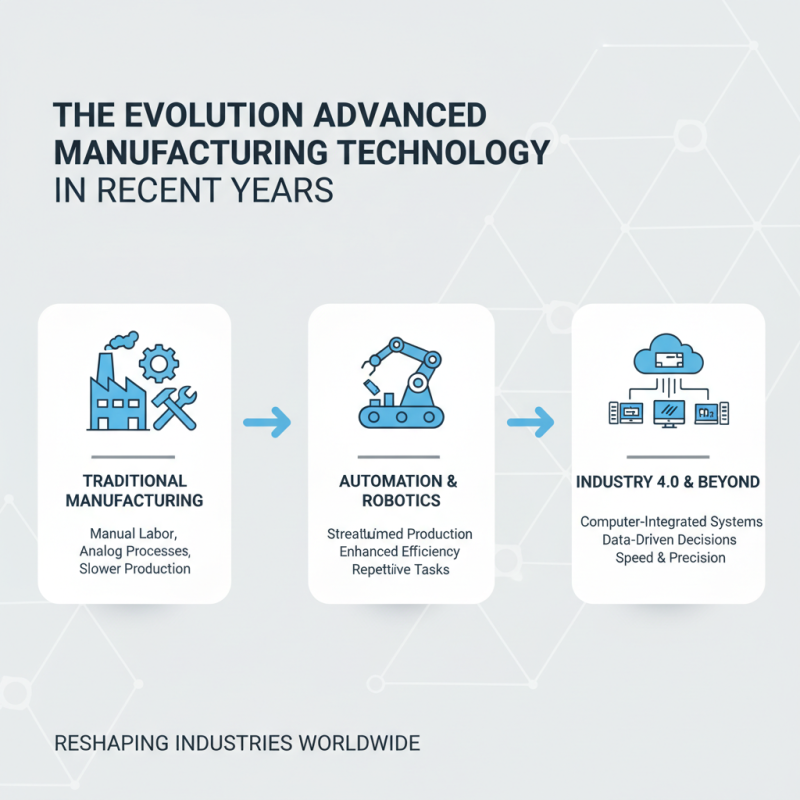
The Evolution of Advanced Manufacturing Technology in Recent Years
Why Advanced Manufacturing Technology is Transforming Industry Today?

The evolution of advanced manufacturing technology in recent years has reshaped industries worldwide. Traditional manufacturing techniques are being replaced by innovative processes. Automation and robotics have taken center stage, streamlining production and enhancing efficiency. More factories are utilizing computer-integrated systems. This shift is driven by the need for speed and precision in production lines.

Moreover, additive manufacturing, including 3D printing, has gained momentum. It allows for rapid prototyping and reduces material waste. These technologies bring flexibility, but they also pose challenges. Ensuring quality standards remains a significant concern. Additionally, workforce training is crucial. Employees must adapt to new tools and processes to remain competitive. Companies often encounter resistance when implementing these changes.

As the industry embraces these advancements, collaboration becomes essential. Knowledge sharing among experts can bridge gaps in understanding. Insights from various sectors can foster innovation. However, this interconnectedness requires a cultural shift. Organizations must prioritize continuous learning and development. The path of evolution is not without hurdles, but the potential is immense.
Key Technologies Driving the Transformation of the Manufacturing Sector

Advanced manufacturing technology is reshaping the industry landscape. Key technologies such as artificial intelligence (AI), the Internet of Things (IoT), and additive manufacturing are at the forefront of this transformation. A report from the International Federation of Robotics indicates that by 2025, over 20 million industrial robots will be in operation worldwide. These technologies enhance efficiency and precision in production processes.

AI algorithms analyze data to optimize supply chains, reducing waste and increasing productivity. The World Economic Forum reports that AI-driven manufacturing can improve overall equipment effectiveness by up to 30%. IoT devices facilitate real-time monitoring of machinery, leading to timely maintenance and downtime reduction. Yet, implementing these systems can present challenges. Companies often struggle with integration and require skilled personnel to interpret the data.

Additive manufacturing, or 3D printing, allows for rapid prototyping and customization. This technology can reduce lead times significantly, enabling firms to respond swiftly to market demands. However, the cost of equipment and materials can be a barrier for many smaller enterprises. The potential for job displacement due to automation raises concerns among workers and unions. Balancing innovation with workforce stability remains a pressing issue for the sector.

Why Advanced Manufacturing Technology is Transforming Industry Today? - Key Technologies Driving the Transformation of the Manufacturing Sector

Key Technology Impact on Manufacturing Benefits Challenges
Artificial Intelligence Enhanced decision-making and process automation. Increased efficiency, reduced operational costs. Data bias, implementation costs.
Additive Manufacturing (3D Printing) Customized product creation and material optimization. Reduced waste, faster prototyping. Material limitations, high initial setup costs.
Internet of Things (IoT) Real-time data collection and machine monitoring. Improved maintenance, enhanced supply chain management. Security concerns, data overload.
Robotics and Automation Increased productivity and precision in manufacturing processes. Reduced labor costs, enhanced safety. High initial investment, potential job displacements.
Blockchain Enhanced transparency and traceability in supply chains. Improved compliance and fraud reduction. Complex integration, scalability issues.

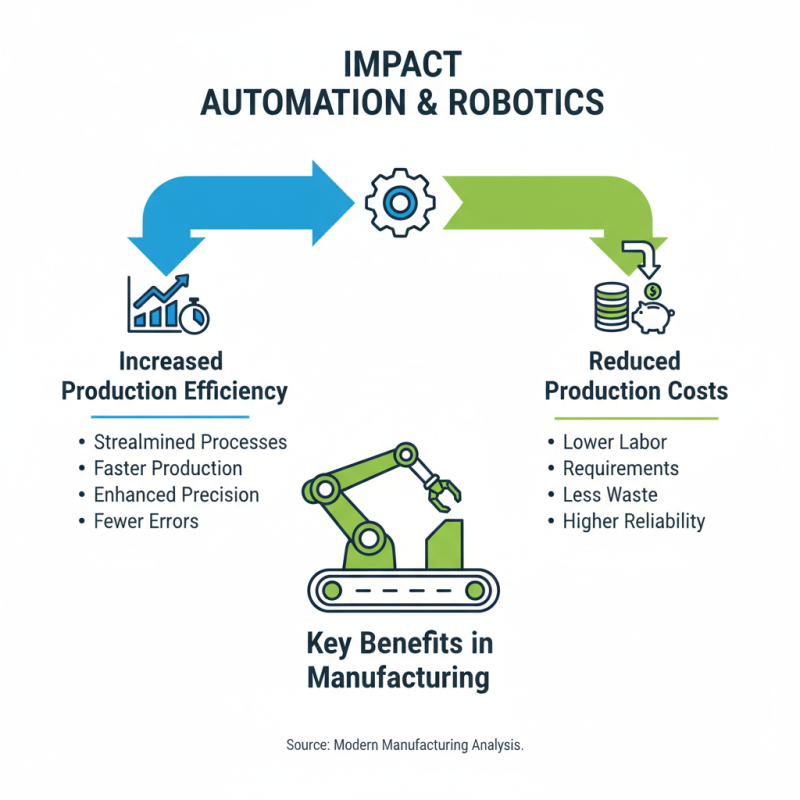
Impact of Automation and Robotics on Production Efficiency and Costs

Why Advanced Manufacturing Technology is Transforming Industry Today?

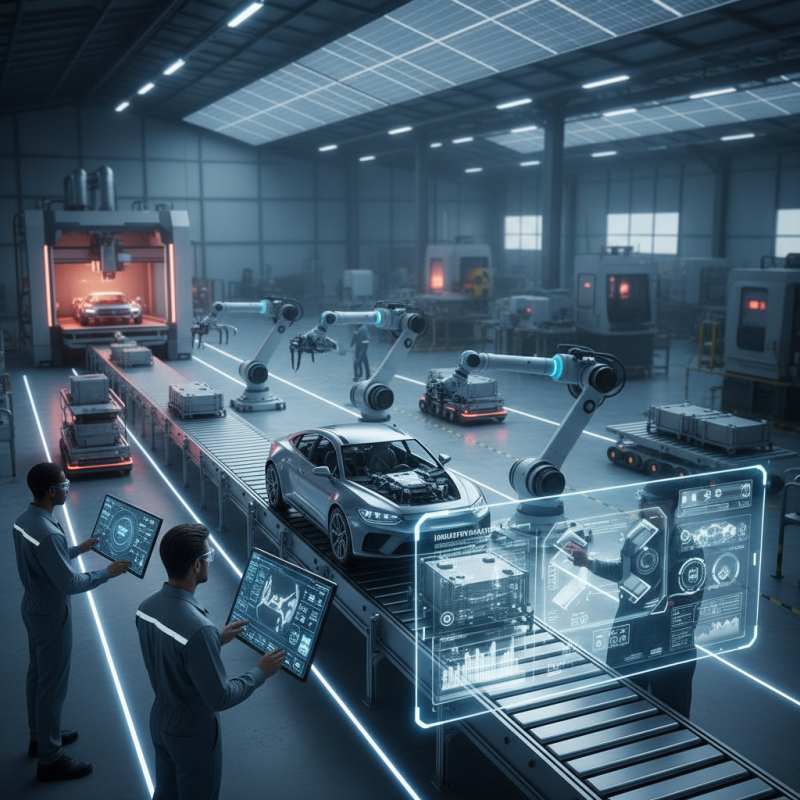
Automation and robotics have significantly impacted production efficiency and costs in modern manufacturing. These technologies streamline processes, reduce labor requirements, and enhance precision. For example, robotic arms can perform repetitive tasks with higher accuracy than human workers. This leads to fewer errors and less waste, ultimately lowering production costs. Factories are now able to produce goods faster and more reliably.

However, the shift towards automation does have its challenges. Many workers face job displacement as machines take over roles traditionally filled by humans. Reskilling the workforce becomes crucial in this new landscape. Some companies struggle with integrating these technologies effectively. They must balance the initial investment with the long-term benefits of increased efficiency.

The transformation brought about by advanced manufacturing is profound. Automation can lead to higher output and reduced operating costs. Yet, businesses need to reflect on how they adapt to these changes. The human element should not be underestimated, as collaboration between technology and workers often yields the best results.

The Role of Data Analytics and IoT in Enhancing Manufacturing Processes

The integration of data analytics and IoT is revolutionizing the manufacturing landscape. Manufacturers can now gather real-time data from connected machines. This data provides insights that guide operational improvements. For example, sensors can detect equipment wear before it leads to failures. Such predictive maintenance reduces downtime and saves costs.

However, not all manufacturers embrace these technologies equally. Some face challenges in implementing IoT solutions. This includes determining the right data to collect and ensuring data accuracy. Organizations must also navigate cybersecurity risks associated with connecting devices. Addressing these issues requires careful planning and expertise.

Data analytics also helps in optimizing supply chains. By analyzing patterns, manufacturers can forecast demand more accurately. Yet, the reliance on data brings about concerns regarding over-dependence. Decisions based solely on data may overlook important human insights and creativity. It is essential to strike a balance between technology and human expertise for effective outcomes.

Impact of Advanced Manufacturing Technologies

Future Trends: Sustainability and Smart Manufacturing Solutions

The realm of advanced manufacturing technology is evolving quickly. Sustainability is a key focus in this transformation. Companies are increasingly adopting eco-friendly practices. Smart manufacturing solutions are helping them achieve these goals.

Embracing energy-efficient machinery reduces waste. Additionally, smart sensors optimize production processes. These innovations lower costs and improve efficiency. However, not all organizations are adjusting swiftly. Some face challenges in integrating new technologies.

**Tip:** Start small by experimenting with one sustainable solution.

Another essential trend involves data-driven decision-making. Real-time data enables companies to monitor their resources. This can reveal inefficiencies and promote better practices. But relying too heavily on data can create a blind spot. Organizations might overlook the human element in manufacturing.

**Tip:** Combine data insights with employee feedback.

As we look ahead, the balance between sustainability and technology must be reexamined. It’s crucial to find solutions that are not only smart but also genuinely sustainable. Each step towards a greener future requires careful thought and action, reflecting on our current practices while innovating for tomorrow.