What Is an M8 Pico Connector?
An M8 Pico Connector is a compact circular connector used to link sensors, actuators, and other devices in tight spaces. “M8” refers to the connector’s nominal 8-millimeter threaded coupling, while “Pico” is often used to describe a particularly small connector style. Exact meanings can vary by manufacturer, so the product drawing matters more than the label alone.
You may see one on a factory sensor, where a short cable runs beside a metal bracket or through a crowded control cabinet. Its threaded coupling can help secure the connection against vibration, and common versions have different pin counts, coding, and cable options. Small does not mean interchangeable. Check the pin arrangement, thread, coding, rated voltage, current, and environmental protection before choosing a replacement.
A datasheet is useful. A clear product drawing is better. The connector’s appearance can be misleading: two models may look nearly identical but have different keying or electrical specifications. I would not assume “Pico” guarantees one universal size or standard. That assumption is easy to make. This guide explains how M8 Pico Connector terminology is used, what features to compare, and where these connectors fit in practical installations. It also highlights details worth checking before purchase, so a compact connection does not become a frustrating mismatch in the field.
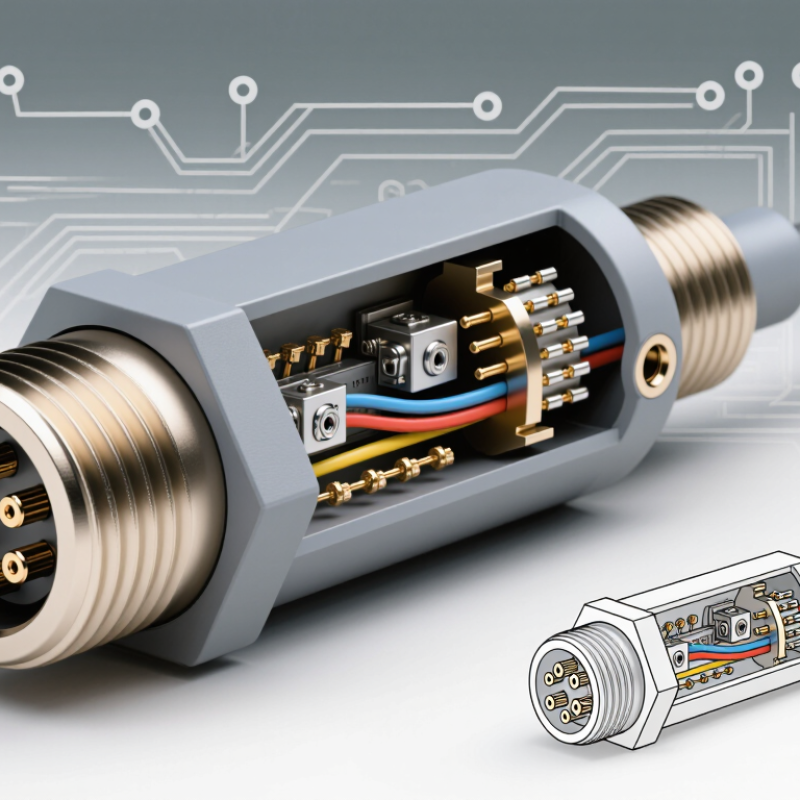
M8 Pico Connector: Definition and Naming
An M8 Pico connector is a compact circular connector used to link sensors, actuators, and control equipment. In its name, “M8” refers to the metric screw coupling: IEC 61076-2-104:2014 specifies an M8 × 1 thread, with an 8 mm nominal diameter and 1 mm pitch. “Pico” describes the connector’s small form factor; it is not a separate thread size or a guarantee of one pin arrangement. Small, but not vague.
The designation helps distinguish M8 connectors from larger circular types, yet “Pico” is not used uniformly across every supplier’s catalog. Connector bodies may look similar while differing in contact count, keying, cable exit, and electrical rating. Treat the name as a starting point, not a complete specification. A close visual match can still have the wrong pinout. The IEC standard is a reliable reference for the coupling interface, while the product drawing should confirm the details for a specific assembly.
Tips: Check the thread, pin assignment, and coding in the technical drawing before ordering. If the connector will face vibration or frequent cleaning, verify its locking method and ingress-protection rating too. Read the numbers, not just the label.
What Is an M8 Pico Connector? - M8 Pico Connector: Definition and Naming | Dimension | Description | Practical note |
| Definition | An M8 Pico connector is a compact circular electrical connector in the M8 connector family, commonly used for sensor and automation wiring. | “M8” identifies the nominal size of the coupling thread; “Pico” is generally a descriptive term for a small connector, not a separate thread measurement. |
| M8 naming | The “M” denotes a metric screw thread, and “8” refers to its nominal 8 mm outside diameter. | Connector coupling threads are commonly M8 × 1 mm. Confirm the connector specification before selecting a mating part. |
| Connector standard | M8 circular connectors are covered by IEC 61076-2-104, which specifies relevant connector dimensions and interface requirements. | A “Pico” label alone does not establish compliance with a particular standard or guarantee compatibility. |
| Shape and coupling | The connector has a circular mating interface and is commonly secured with a threaded coupling nut. | The coupling helps retain the connection, but correct alignment and tightening are still important. |
| Pin count | Common M8 configurations include 3, 4, and 5 contacts; available configurations depend on the connector design. | Match the contact count and pin assignment at both ends of the connection. |
| Coding | Coding uses mechanical keying to help distinguish connector interfaces. A-coded versions are commonly used for sensors and actuators; other codings serve different applications. | Check the coding as well as the pin count; connectors that look similar may not mate or serve the same purpose. |
| Gender and mounting | M8 connectors are available in plug and socket forms, with cable-mounted and panel-mounted options. | Specify the mating style, mounting arrangement, and cable termination when choosing a connector. |
| Typical uses | Typical uses include connecting compact sensors, actuators, and control devices in industrial equipment. | Suitability depends on the electrical rating, environment, and application requirements. |
| Ingress protection | An M8 connector does not have one universal IP rating. Protection varies by construction and whether the connection is properly mated. | Use the specific product rating and installation instructions when water or dust protection is required. |
| Selection checklist | Confirm thread, coding, number of contacts, mating style, mounting type, cable details, and electrical ratings. | Do not rely on the “M8 Pico” name alone to determine fit, wiring, or environmental performance. |
Physical Design, Contact Layout, and Mounting
What Is an M8 Pico Connector?
Physical Design, Contact Layout, and Mounting
An M8 pico connector is a compact circular connector with a nominal 8 mm screw-coupling thread. IEC 61076-2-104 covers this connector family and its mating dimensions. The small shell suits sensors and actuators where cable space is tight. In practice, the connector’s overall size depends on its body, cable exit, and contact count—not just the thread.
Small, but not delicate.
A keyed insert helps align contacts and reduce incorrect mating. Contact layouts vary by application. Three- and four-position versions are common, while other layouts may be available for specific signals or power needs. Check the pin assignment, coding, and mating-part compatibility before installation; an identical thread does not guarantee compatible contacts.
Mounting may use a threaded panel receptacle, a cable-end plug, or a field-attachable connector. Tighten the coupling by hand as specified for the assembly, since excessive force can damage threads or seals. IEC 60529 defines IP ratings: an IP67-rated assembly is dust-tight and tested for temporary immersion up to 1 m for 30 minutes. That rating applies only when the connector is correctly mated and installed.
A detail that is easy to miss.
Check the complete assembly’s rating, not just the connector body.
Electrical Ratings and Environmental Protection
An M8 pico connector is a compact circular connector often used with sensors and small automation devices. Its small size helps it fit in crowded equipment, but it leaves little room for careless wiring. Electrical ratings depend on the connector’s pin count, contact design, cable, and insulation. There is no single rating for every M8 connector. Check the product’s voltage and current limits before connecting a load. A sensor may draw very little current, while a connected actuator can demand more. That difference matters.
Look closely at the environmental rating, too. Some M8 connectors are rated IP67 when correctly assembled, meaning they resist dust and temporary immersion under specified test conditions. The rating may not apply when the connector is unplugged, damaged, or fitted with the wrong cable. Check the mating instructions. Keep the sealing surfaces clean. Small grit can compromise a seal. Temperature limits, oil exposure, vibration, and cable flexibility also vary between designs. In practice, a connector can meet its stated rating and still fail if it is installed poorly. That part is easy to underestimate. Verify the datasheet against the actual operating conditions, especially where washdown or repeated movement is expected.
What Is an M8 Pico Connector? — Electrical Ratings and Environmental Protection
Representative ratings vary by connector design and manufacturer.
Typical electrical examples
30 V DC · 3 A
Example environmental rating
IP67
In the example IP67 rating, the first digit indicates dust-tight protection and the second indicates protection against temporary immersion under specified test conditions. These code digits are classifications, not a linear performance scale. Voltage, current, and ingress protection depend on the specific connector; check its datasheet and ensure it is correctly mated or capped.
Connector Coding, Pinouts, and Cable Options
What Is an M8 Pico Connector?
Connector Coding, Pinouts, and Cable Options
An M8 Pico connector is a compact, threaded circular connector often used for sensors and actuators in tight spaces. Its M8 × 1 thread helps secure the connection, but the coding, pin count, and wiring still need checking. A-coding is common for sensor signals and power; D-coding is used for some industrial Ethernet connections. They are not interchangeable. On a common three-pin A-coded sensor connection, pin 1 carries supply voltage, pin 3 is 0 V, and pin 4 carries the signal. Four-pin layouts can add another signal, so verify the device documentation rather than relying on wire color. Grand View Research estimated the global industrial automation market at USD 205.86 billion in 2022, reflecting the broad growth of connected factory equipment—not a measure of M8 connector sales.
Cable choice matters at the machine. PVC cables are a practical option for general installations; PUR jackets are often selected where abrasion or oils are a concern. Shielded versions can help limit electrical interference, while straight and right-angle plugs suit different clearances. Check the cable’s bend radius, temperature range, and ingress protection rating as an assembled product.
Small details matter.
Tips: Match the connector coding at both ends, then confirm the pinout with a wiring diagram or meter before energizing equipment. A familiar-looking plug can still have a different assignment. One easy mistake is choosing by thread size alone.
Common Applications and Selection Factors
M8 pico connectors are compact circular connectors with an 8 mm threaded coupling. Their small size suits sensors and actuators mounted close together, where larger connectors can crowd a control cabinet or machine frame. They are common on photoelectric sensors, proximity switches, and small valve assemblies in factory automation. You may also find them on equipment exposed to washdown or outdoor weather, but protection depends on the connector and its mated condition. Small, but not universal. Pin arrangements and coding differ, so two M8 connectors may not connect safely just because their threads match.
Choose a connector by checking the device pin count, coding, gender, and wiring diagram. Then consider the environment: look for an appropriate ingress-protection rating, temperature range, and resistance to oils, vibration, or cleaning chemicals. Cable length and connector angle matter too. A right-angle plug can prevent a cable from bending sharply in a tight space. Check voltage and current ratings against the actual load, and confirm whether shielding is needed to reduce electrical interference. A connector can fit and still be wrong. This detail is easy to overlook during replacement, so verify the equipment documentation before ordering.