What is a Robotic Handling System and How Does It Work?
In the rapidly evolving landscape of automation, robotic handling systems stand out as a pivotal solution for industries. These systems enhance productivity and efficiency. Industry expert Dr. Emily Zhang states, "Robotic handling systems revolutionize how we manage logistics." Her insight emphasizes the importance of these technologies in modern operations.
Robotic handling systems are designed to perform tasks such as transporting, sorting, and packaging materials. They reduce human error and speed up processes. For instance, a warehouse utilizing these systems can operate with higher precision. However, there are challenges, such as initial costs and the need for skilled operators.
As organizations adopt robotic handling systems, they must consider their specific needs. Integration into existing workflows is crucial. An effective implementation can lead to significant improvements. Yet, reflection on potential hurdles remains essential for successful deployment in any industry.
Definition of Robotic Handling Systems
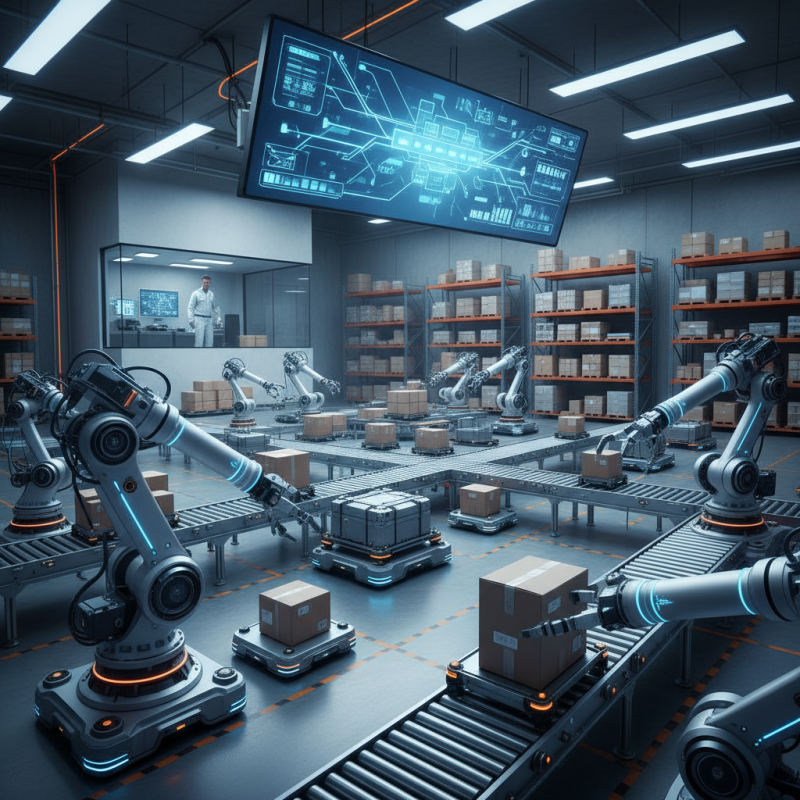
Robotic handling systems are automated solutions designed to manage, transport, and manipulate objects. These systems use advanced robotics technology to enhance operational efficiency in various industries. They can handle tasks like material handling, assembly, and packaging. Their primary objective is to streamline workflows and reduce manual labor.
One essential aspect of robotic handling systems is their accuracy. They can perform repetitive tasks with precision, ensuring consistency. For example, a robotic arm can pick and place items in a warehouse without error. This serves to minimize waste and enhance productivity. However, not all systems are created equal. Some may struggle with complex tasks or dynamic environments.
Tips for integrating robotic handling systems include assessing specific needs first. Understand your operational bottlenecks and determine where automation can add value. Moreover, training staff on new systems can improve efficiency and reduce resistance. Regular maintenance of the robotic system is crucial; neglecting it may lead to unexpected breakdowns and costly delays. Seek professional guidance to choose a system that suits your requirements, as the wrong choice can hinder progress.
What is a Robotic Handling System and How Does It Work?
| Feature |
Description |
Applications |
Benefits |
| Automation |
Uses robotic systems to perform repetitive tasks. |
Manufacturing, warehousing, and logistics. |
Increases efficiency and reduces human error. |
| Flexibility |
Can handle a variety of tasks and products. |
Assembly lines, order fulfillment. |
Adapts easily to changing production needs. |
| Safety |
Minimizes risk to human workers by handling dangerous tasks. |
Heavy lifting, hazardous materials handling. |
Reduces workplace injuries and accidents. |
| Cost Savings |
Lowers labor costs and increases throughput. |
High-volume production environments. |
Provides a high return on investment over time. |
Key Components of Robotic Handling Systems
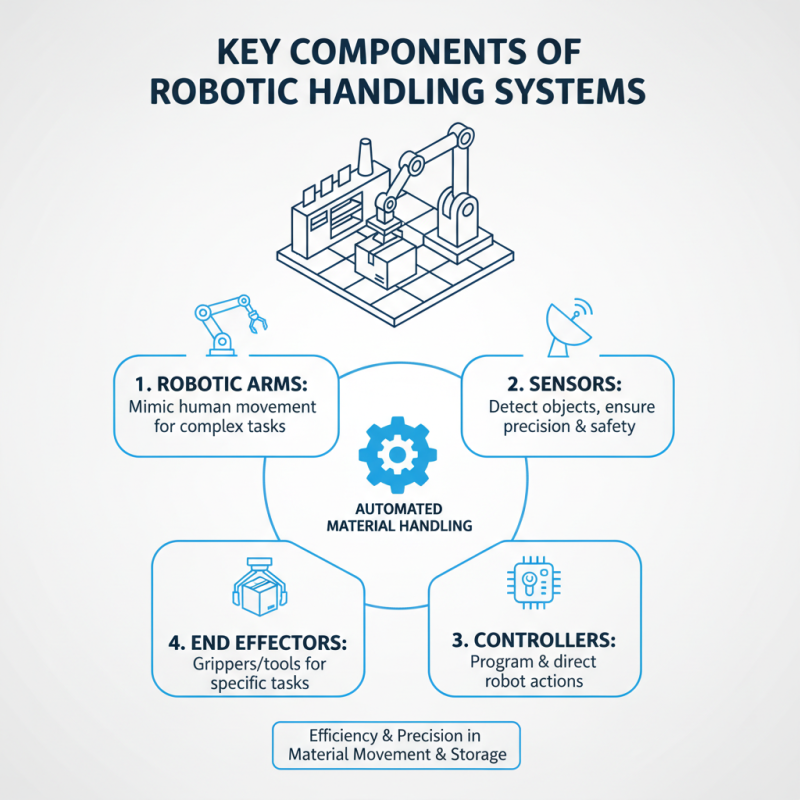
Robotic handling systems are designed to automate the movement and storage of materials. Key components of these systems include robotic arms, sensors, controllers, and end effectors. Each part plays a vital role in ensuring efficiency and precision in handling tasks. For instance, robotic arms mimic human movements, allowing for intricate tasks in manufacturing.
Sensors provide real-time data about the environment. They help robots detect obstacles and adjust their paths accordingly. Controllers are like the brain of the system. They process data and command the robotic arms to perform tasks. End effectors, often called grippers, are essential for grasping and manipulating objects. The design of these parts can vary based on the specific applications.
While robotic handling systems enhance productivity, they come with challenges. Programming these systems can be complex, and errors may occur in operation. Moreover, regular maintenance is crucial to prevent breakdowns. As the technology evolves, continuous learning and improvement are necessary. Exploring new designs and optimizing existing systems lead to better performance. The importance of human oversight cannot be underestimated, ensuring the systems operate safely and effectively.
Types of Robotic Handling Systems and Their Applications
Robotic handling systems are integral to modern manufacturing and logistics. They streamline processes such as picking, packing, and sorting. Various types of robotic handling systems cater to specific applications. For instance, articulated robots excel in assembly tasks. Their flexibility makes them ideal for environments needing versatility.
Industrial robots, specifically collaborative robots or cobots, work alongside humans. A report from the International Federation of Robotics highlights that the cobot market is projected to grow by 25% annually until 2025. This rapid growth thanks to their ability to enhance productivity while maintaining safety.
Another prevalent type is the Autonomous Mobile Robot (AMR). AMRs are used in warehousing and healthcare. They can navigate complex environments, improving efficiency in transporting goods. However, challenges persist. Reliability can vary based on the environment and task complexity. Continuous improvement is crucial to maximize their potential and address these limitations effectively.
Working Principles of Robotic Handling Systems
Robotic handling systems play a crucial role in modern manufacturing and logistics. These systems automate the process of moving, packing, and sorting products effectively. They often utilize articulating arms, grippers, and conveyor systems.
A report by the International Federation of Robotics states that the global market for robotic handling systems is projected to reach $23 billion by 2025.
Operating a robotic handling system involves several key principles. Sensors and cameras provide data for the robot to interpret its environment. Advanced algorithms help the robot make real-time decisions. Unfortunately, not all systems work flawlessly. Misalignment in sensors can lead to improper handling, resulting in damaged goods. The efficiency of these systems relies heavily on accurate programming and maintenance.
The integration of machine learning enhances the capability of robotic handling systems. This technology allows robots to learn from past errors, improving their performance over time. However, implementation can be complex and costly. A study by McKinsey suggests that only 25% of organizations successfully adopt robotics technologies. Organizations must weigh the benefits against costs and operational disruptions during integration.
Advantages and Limitations of Robotic Handling Systems
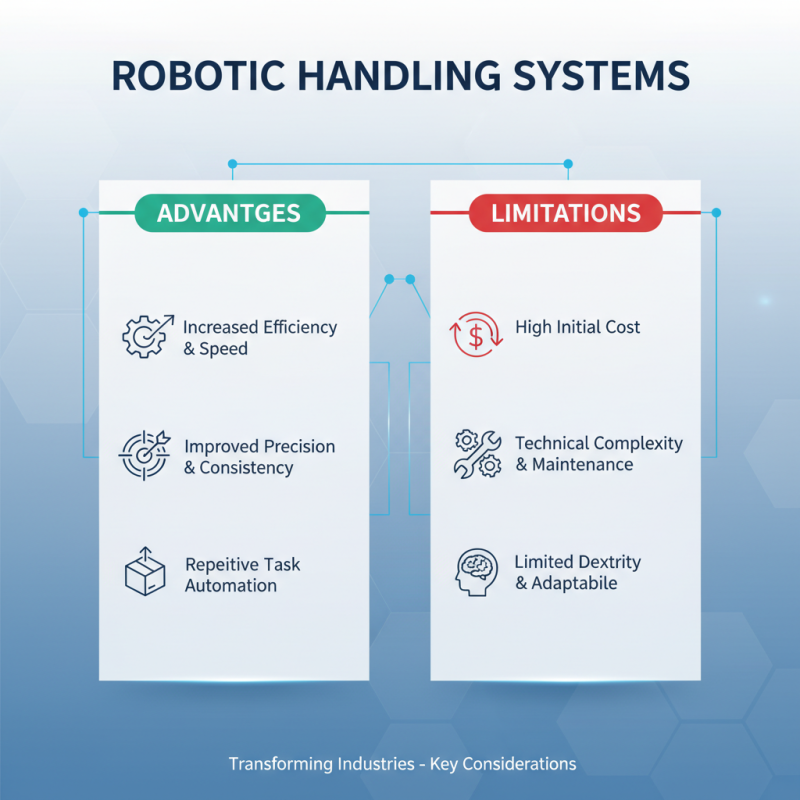
Robotic handling systems have transformed various industries. These systems improve efficiency and precision. They perform tasks like picking, placing, and packaging with high speed. However, there are key advantages and limitations to consider.
One major advantage is consistency. Robots can work tirelessly without fatigue. They maintain a high level of accuracy, reducing errors in processes. This consistency enhances overall productivity. Furthermore, robotic systems can handle hazardous materials, improving workplace safety. Businesses can minimize risks to human workers. Additionally, flexibility in programming allows for easy reconfiguration for different tasks.
On the downside, robotic handling systems have limitations. They can be expensive to implement and maintain. Initial setup costs may be a barrier for some companies. Moreover, robots lack the ability to adapt to unforeseen circumstances. Human workers can resolve unexpected issues with creativity. Another concern is job displacement. While efficiency increases, it often leads to layoffs in certain sectors. Businesses need to find a balance between automation and human labor.