Top Forklift Collision Detection System Benefits and Challenges?
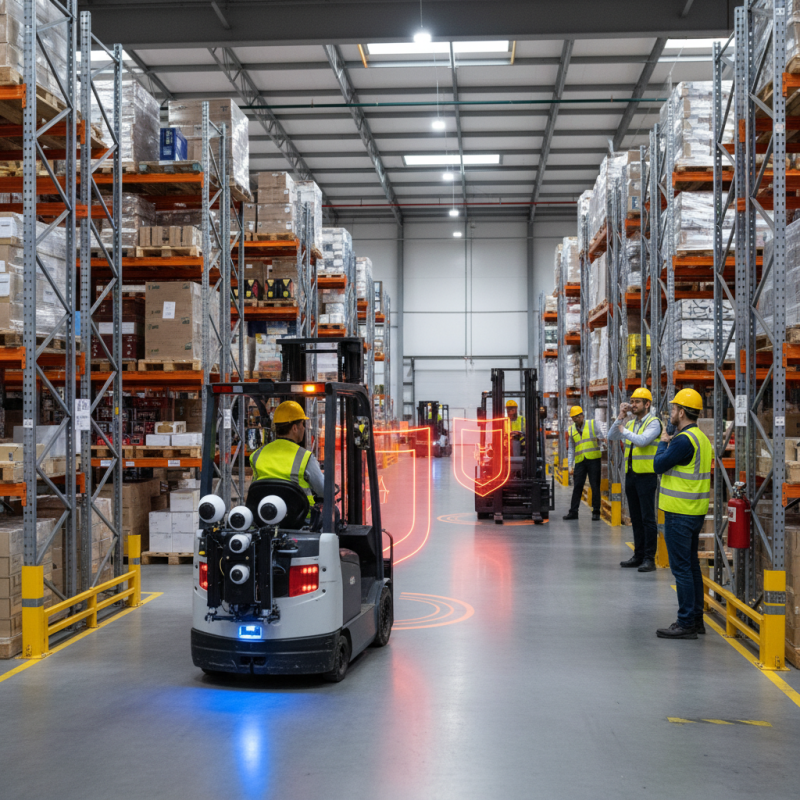
In warehouses and factories, safety is paramount. The Forklift Collision Detection System plays a critical role in enhancing this safety. Forklifts are essential for material handling, but they pose significant risks. Accidents can cause injuries and damage.
Implementing a collision detection system can mitigate these dangers. These systems use sensors to detect obstacles and warn operators. They help prevent collisions, protecting both workers and equipment. However, there are challenges in adopting this technology. Cost and system integration can be barriers for businesses. Some may struggle to adapt to new protocols.
Despite these hurdles, the benefits are clear. Improved safety leads to fewer accidents and lower insurance costs. However, businesses must carefully weigh these advantages against potential downsides. A thoughtful approach is necessary for effective implementation of a Forklift Collision Detection System.
Benefits of Implementing Forklift Collision Detection Systems
Forklift collision detection systems offer significant benefits to warehouses and manufacturing facilities. According to a report by the National Safety Council, approximately 20,000 injuries occur annually due to forklift accidents. Implementing collision detection technologies can reduce these incidents by up to 50%. This statistical data highlights the necessity of investing in such systems.
The technology not only enhances safety but also boosts operational efficiency. Forklift collision detection systems can help operators avoid costly damage to goods and equipment. A study by the Occupational Safety and Health Administration indicates that repair and downtime costs can reach thousands per incident. Installing these systems may seem expensive at first, but they save money in the long run.
However, not all facilities adopt these technologies. Some managers worry about the initial investment. There are concerns over compatibility with existing machines. Additionally, ongoing maintenance and employee training are essential. The benefits are clear, but overcoming these initial challenges can be difficult. Despite these reflections, the overall advantages of implementing forklift collision detection systems cannot be ignored.
Key Technologies Used in Forklift Collision Detection Systems
Forklift collision detection systems rely on several key technologies to enhance safety in warehouses. Proximity sensors are widely used. They detect nearby objects and help prevent collisions. These sensors can be ultrasonic or laser-based, providing real-time feedback to operators. However, the accuracy of these sensors can sometimes be limited by environmental factors, such as dust or humidity.
Another important technology is the camera-based system. Cameras provide a visual interface, helping operators see obstacles in their path. Advanced image processing algorithms analyze the footage quickly. While this technology increases awareness, it can have a steep learning curve for operators. Training becomes essential, but some may struggle to adapt to the new system.
Finally, RFID technology can be integrated into the system. It enables tracking of both forklifts and surrounding goods. This helps in mapping a safe operating environment. Nevertheless, systems can face challenges in densely packed areas. Overlapping signals may create confusion, affecting reliability. The integration of these technologies requires careful planning and adaptation.
Challenges in Adopting Forklift Collision Detection Solutions
Adopting forklift collision detection systems can be a challenge for many businesses. For some, the initial investment appears daunting. These systems often require a significant upfront cost. Training employees to use new technology can also be cumbersome. Workers may feel uncertain about adjusting to an unfamiliar system. This hesitation can slow down the integration process.
Another challenge lies in the technology itself. Not all systems are compatible with existing equipment. Companies need to evaluate their current fleet while selecting a detection solution. This can lead to additional expenses or delays. Moreover, excessive reliance on technology can create complacency. Operators might think they don't need to be as vigilant.
Regular maintenance of these systems can also pose difficulties. Sensors can malfunction, requiring prompt attention. There can be a gap in response time, leading to potential risks. Therefore, companies must not only invest in the systems but also in ongoing support. Each of these hurdles can make the implementation of collision detection solutions far more complicated than expected.
Best Practices for Maximizing Collision Detection System Efficiency
In a busy warehouse, ensuring safety is crucial. Forklift collision detection systems can reduce accidents significantly. According to industry data, these systems can lower collision incidents by up to 40%. However, implementing them effectively requires attention to detail.
To maximize system efficiency, workers must be trained properly. Regular training sessions can improve response times. Studies show that well-trained operators use collision systems 30% more effectively. Clear signage marking hazard zones can help too. Enhancing visibility is key.
**Tip**: Conduct routine checks on sensors and cameras. Malfunctioning equipment can lead to accidents. Regular maintenance can prevent this.
Another important aspect is integrating the system with existing technology. Many facilities struggle with compatibility issues. Streamlining operations can enhance communication between devices. In turn, this leads to more accurate monitoring.
**Tip**: Gather feedback from employees. Their insights can identify weak points in the system. Engaging them fosters a culture of safety.
A proactive approach is needed. When challenges arise, it’s vital to review and adapt strategies. Only then can companies fully leverage collision detection systems.
Top Forklift Collision Detection System Benefits and Challenges
| Dimension | Description | Impact |
| Increased Safety | Helps prevent accidents between forklifts and personnel. | Reduces injury rates and associated costs. |
| Operational Efficiency | Enhances the flow of goods by minimizing delays caused by collisions. | Increases overall productivity in the workplace. |
| Real-time Monitoring | Allows supervisors to monitor forklift operations and safety in real-time. | Promotes a proactive approach to safety management. |
| Challenges of Implementation | Initial costs and potential resistance from staff. | May delay integration and training processes. |
| Technological Dependence | Relies heavily on technology; failure can disrupt operations. | Can result in costly downtime during technical issues. |
| Ongoing Maintenance | Requires regular updates and maintenance to function optimally. | Costs can accumulate over time, impacting budget. |
Future Trends in Forklift Collision Detection Technology
The future of forklift collision detection technology looks promising. Emerging trends focus on advanced sensors and machine learning. These tools will significantly reduce accidents in warehouses. Cameras and radar systems will become standard. They help operators identify hazards in real-time. This increases safety and efficiency on the job.
Integrating these technologies poses challenges. Cost can be a barrier for some companies. Training staff to adapt is another concern. Many workers may resist new systems initially. It's vital to create a culture of safety. Ongoing support and education will ease this transition.
Tips: Regularly review your current safety measures. Look for areas that could benefit from modern technology. Involve employees in discussions about new systems. Their insights can help in selecting suitable solutions. Embrace change, but also reflect on the effectiveness of your existing processes.