
Canada DDP Shipping means the seller arranges delivery to an agreed destination in Canada and takes responsibility for import clearance, applicable duties, and taxes under the agreed terms. For the buyer, the appeal is straightforward: one quoted price and fewer border tasks. The details matter, though. DDP is an Incoterms® rule, not a promise that every cost or delay disappears.
A typical shipment begins with the seller confirming the product description, value, origin, destination, and delivery requirements. The seller or its logistics provider books transport and prepares the shipping documents. A customs broker may submit the import declaration and coordinate payment of assessed charges. Once customs releases the goods, the carrier delivers them to the named address, such as a warehouse dock in Toronto or a receiving bay in Vancouver. The buyer should confirm who handles unloading. That detail is easy to miss.
The final landed cost can depend on tariff classification, country of origin, shipment value, and the taxes applicable to the transaction. Carrier, brokerage, storage, and remote-area fees may also affect the quote. Sellers should verify that they can meet Canadian import and tax obligations for the specific shipment; buyers should request written confirmation of what the price includes. Estimates can change when shipment details change. That is worth remembering. This guide explains how Canada DDP Shipping works, how responsibilities are divided, and what to check before choosing it.
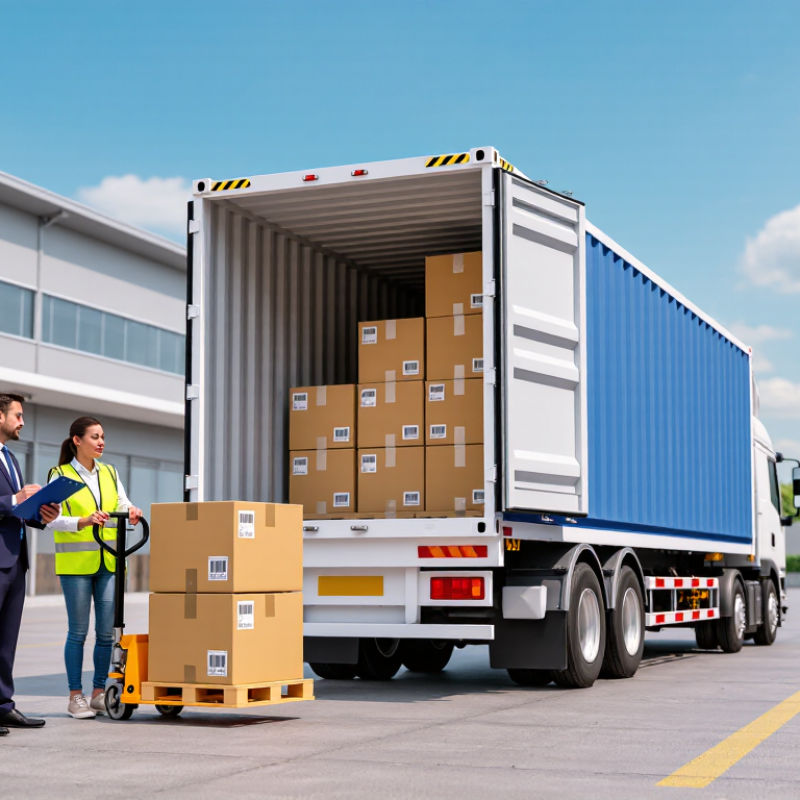
Canada DDP shipping means Delivered Duty Paid shipping to a named destination in Canada. Under this arrangement, the seller takes responsibility for arranging transport, handling export and import formalities, and paying applicable duties and taxes. The buyer generally receives the goods without arranging import clearance or paying those charges separately, though the sales agreement should confirm exactly what is included.
The seller also carries the risk of loss or damage until the goods reach the agreed destination, ready for unloading. That detail matters. A shipment sent “DDP Toronto,” for example, should specify the delivery point—not just the city—and clarify whether unloading is included. Canadian taxes and clearance requirements can vary with the goods and circumstances, so sellers often work with a customs broker to confirm the paperwork and costs. The term sounds tidy; real shipments are less tidy when the destination or fees are left vague.
Tips: Before ordering, ask for the named delivery address, a breakdown of duties and taxes, and confirmation that import clearance is included. Keep the written quote. Small gaps in the wording can cause delays or unexpected charges.
What Is Canada DDP Shipping and How Does It Work?
Under DDP, the seller coordinates delivery to the agreed Canadian destination and pays the costs assigned to them, including applicable import duties and taxes. The seller also handles export procedures and arranges Canadian import clearance, often through a customs broker. The broker submits shipment details and supporting documents; Canadian customs authorities decide whether the goods can be released. The seller remains responsible for the shipment until it reaches the named destination, ready for unloading. Keep records.
The buyer’s main task is to provide accurate delivery details and any shipment information requested. On arrival, the buyer receives the goods and usually arranges unloading, unless the sales agreement says otherwise. A freight carrier moves the shipment, while the broker manages customs paperwork under the seller’s instructions. In practice, handoffs can be less tidy: an incomplete invoice or unclear product description may delay clearance, even when the seller has paid the expected charges. That matters.
Tips: Confirm the named delivery address, who unloads the shipment, and which charges are included before dispatch. Ask the seller to share the customs documents and clarify who will respond if authorities request more information. DDP responsibilities can depend on the contract and shipment details, so get the terms in writing.
A Canada DDP shipment starts when the seller confirms the delivery address, product details, and a clear landed-cost quote. Under ICC Incoterms 2020, Delivered Duty Paid makes the seller responsible for export and import clearance, duties, taxes, and delivery to the named place. The buyer generally receives the goods ready for unloading. That sounds simple.
The seller or its logistics provider packs the order, prepares the commercial invoice and shipping documents, and arranges pickup. The carrier moves the shipment across the border while the seller’s customs representative submits the Canadian import declaration. Duties and applicable taxes are settled under the agreed DDP arrangement. The World Bank’s 2023 Logistics Performance Index rated Canada 4.0 out of 5 for overall logistics performance; this is a country-level benchmark, not a delivery-time guarantee. Paperwork matters.
After customs release, the carrier takes the shipment to the buyer’s address, such as a warehouse receiving bay or home entrance. The buyer should not normally face a separate duty bill at delivery. Still, DDP works only when the seller has arranged a valid import process and declared the goods accurately. Delays happen. A mismatched invoice value or incomplete address can hold up a carton, even when freight is prepaid. Confirm who handles customs queries and what “delivery” means before dispatch.
Canada DDP shipping means the seller arranges delivery with import duties and applicable taxes paid before the shipment reaches the buyer. The seller also takes responsibility for import customs clearance under the agreed terms. The buyer should not face a separate customs bill at delivery when the arrangement is set up correctly. No surprise invoice.
The seller, or an appointed customs broker, prepares the import declaration using details such as the product’s description, value, country of origin, and tariff classification. Customs may assess duty based on these details. Import GST and other applicable tax obligations may also apply; the exact treatment can depend on the goods, destination, and transaction structure. A precise invoice matters. “Household parts” is often too vague.
In practice, paperwork is where the neat promise can get messy. Incorrect values or missing product details can prompt questions, extra charges, or delays, even when shipping is DDP. Sellers should confirm who will act as importer of record and how taxes will be handled before dispatch. A broker can help check the entry, but cannot guarantee release on a specific date. Buyers can ask for written confirmation that duties, taxes, and clearance are included in the quoted price.
Before choosing DDP shipping to Canada, confirm exactly what “delivered” means. Under DDP, the seller generally handles import clearance, duties, and applicable taxes, but the named destination matters. Delivery to a warehouse dock may not include unloading or final delivery appointments. Ask who will be listed as the importer of record and who will provide customs documents. Get the answer in writing.
Check the quoted price line by line. It should explain whether customs brokerage, duties, GST/HST or other applicable taxes, and delivery surcharges are included. Ask what happens if customs requests additional information or a shipment is held. Storage fees can grow quickly while a pallet sits at a terminal. Small print matters.
Also verify the shipment details before booking: product description, declared value, package count, weight, delivery address, and estimated transit time. Incorrect paperwork can cause delays, even when the shipping term is DDP. Request a sample cost breakdown and ask whether the rate can change after dispatch. I would not treat “all-inclusive” as a complete answer. It sounds reassuring, but the written responsibilities are what you can actually check.
| Check | How DDP Works for a Canadian Shipment | What the Importer Should Confirm |
|---|---|---|
| Meaning of DDP | Under the DDP rule in Incoterms® 2020, the seller arranges and pays for delivery to the named destination, including export and import formalities, duties, and applicable import taxes. The buyer generally receives the goods ready for unloading. | Make sure the contract names the exact destination, such as a full street address or clearly specified terminal—not just “Canada.” |
| Importer of record | DDP makes the seller responsible for import clearance, but it does not by itself identify which legal entity will be shown as the importer in Canadian customs records. | Get written confirmation of the importer of record and confirm that the arrangement complies with Canadian customs requirements. Do not assume the buyer will have no customs-related responsibilities. |
| Canadian business and customs accounts | Commercial importers generally need a Canada Revenue Agency Business Number with an import-export (RM) account. Non-resident businesses may also need to establish the appropriate Canadian registration and account arrangements. | Ask who holds the required account and who will submit the import declaration. For account and registration details, check current guidance from the Canada Revenue Agency and the Canada Border Services Agency (CBSA). |
| CARM and payment security | CBSA’s Assessment and Revenue Management (CARM) system is the system of record for commercial duties and taxes. Importers using Release Prior to Payment may need to meet CBSA’s current financial-security requirements. | Confirm who is registered in CARM, how duties and taxes will be paid, and whether any required financial security is in place. Check current CBSA rules, as requirements can change. |
| Customs value and tariff classification | Canadian duties depend on factors including the goods’ tariff classification, customs value, and country of origin. The declared customs value is not necessarily the same as the shipment’s freight-inclusive invoice total. | Review the product description, HS classification, valuation method, currency, and supporting commercial documents. Ask how the seller will handle classification or valuation adjustments. |
| Country of origin and trade agreements | Origin can affect the applicable tariff treatment. Preferential duty rates under a trade agreement generally require the goods to meet the agreement’s rules of origin and appropriate supporting evidence. | Confirm the declared origin and ask who will provide or retain any required origin records. Do not assume that the shipping country is the country of origin. |
| GST, HST, and other taxes | Import GST generally applies to taxable commercial imports; the rate and any additional provincial sales tax or harmonized tax implications depend on the goods and circumstances. Customs duties and sales taxes are separate charges. | Request a clear breakdown of duties, import taxes, brokerage, and delivery charges. Confirm whether the buyer can claim an input tax credit or other tax recovery; eligibility depends on the buyer’s status and documentation. |
| Permits and regulated goods | Some goods—including certain food, plants, animal products, controlled products, and other regulated items—may require permits, certificates, inspections, or additional documentation before release. | Check the requirements for the specific product, origin, and intended use before shipment. Confirm who obtains permits and what happens if the goods are held or refused. |
| Broker and service fees | DDP assigns specified delivery and import costs to the seller under the agreed term, but the exact services and any additional charges depend on the sales contract and transport arrangements. | Ask whether customs brokerage, disbursement, storage, inspection, remote-area, and redelivery charges are included, and who pays unexpected charges. |
| Named place and unloading | The seller bears the costs and risks of bringing the goods to the agreed destination. Under DDP, delivery is generally completed when the goods are placed at the buyer’s disposal on the arriving vehicle, ready for unloading. | Specify whether the delivery point is a warehouse, loading dock, residence, or terminal. Confirm unloading equipment, appointment requirements, and any site-access restrictions. |
| Risk and transport insurance | Under DDP, the seller bears delivery risk up to the agreed destination. DDP does not, by itself, require the seller to purchase cargo insurance. | Ask whether insurance is included, what risks and value it covers, and who will handle a claim for loss or damage in transit. |
| Proof of delivery and records | Customs declarations and supporting documents can include the commercial invoice, transport document, packing details, and permits or origin evidence where applicable. | Agree who will provide copies of the customs entry and proof of delivery, and retain records needed for accounting, tax, and customs compliance. |
| Delays, returns, and refused shipments | Customs examinations, missing documents, unpaid charges, or regulatory issues can delay release. DDP does not automatically settle the cost or process for returns, destruction, or rejected goods. | Set out who handles customs holds, storage, return freight, and duties or taxes on returned goods. Confirm the process before the shipment leaves the origin country. |