Best Packing Machine Types for Your Business Needs?
In today's fast-paced market, choosing the right Packing Machine is crucial for business success. John Smith, an industry expert with over 20 years of experience, emphasizes, "The right packing machine can elevate your efficiency and minimize costs." With various types of machines available, businesses face challenges in selecting the best fit for their unique needs.
Different industries require distinct packing solutions. A food company might need a vacuum packing machine, while an e-commerce retailer may benefit from a box sealing machine. Each option has its strengths and weaknesses, demanding careful consideration. The balance between efficiency and cost can be tricky to navigate. Sometimes, the most advanced machines may not align with a business's actual requirements, leading to wasted resources.
Ultimately, the decision hinges on understanding your product, budget, and production volume. Many companies overlook essential factors when selecting their packing machines. Taking time to analyze these details fosters more informed choices. A well-considered selection process can bolster productivity and serve the business well in the long run.
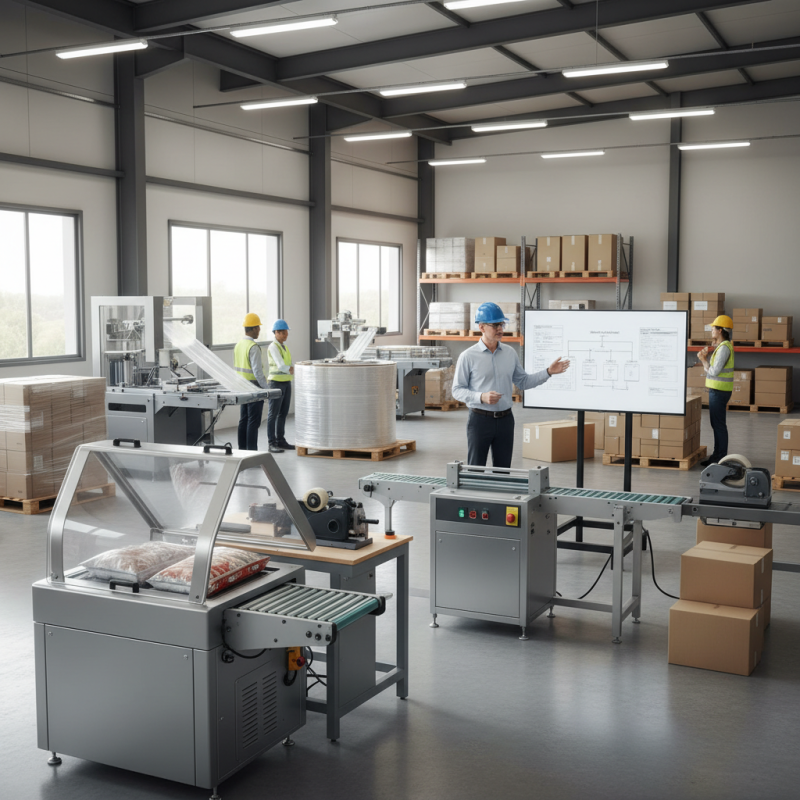
Types of Packing Machines and Their Functions
When considering the types of packing machines, it’s essential to recognize their specific functions. Vertical form-fill-seal machines are popular for packaging powders and granules. These machines create bags from a flat film, filling them with product before sealing. They work efficiently, but they may struggle with varying product sizes and weights. Adjustments may be necessary to avoid waste.
Another type is the horizontal form-fill-seal machine. This machine suits products that are more bulky or irregularly shaped. It operates similarly but lays the product flat for packaging. The process can be slower, and you're often limited in speed. Product flow needs careful management to prevent jams.
Shrink wrapping machines have gained traction for various items. They wrap products tightly in plastic and use heat to seal. This process protects items and looks professional. However, it can be challenging to achieve a perfect seal. Too much heat may cause damage, while too little can lead to deterioration. Understanding how each machine fits your needs is critical for efficiency.
Considerations for Selecting the Right Packing Machine
When selecting the right packing machine for your business, several factors come into play. Understanding your product type is essential. For instance, liquid products often require specific filling machines. A report from Packaging Machinery Manufacturers Institute (PMMI) indicates that the demand for liquid filling machines has grown by 7% annually. This highlights the importance of aligning your packaging choice with your product characteristics.
Cost considerations cannot be overlooked. Investing in high-quality machinery may seem daunting initially. However, long-term savings on labor and materials can justify the expense. According to a recent study, businesses that optimize packaging processes report up to a 25% reduction in operational costs. It's crucial to evaluate not just upfront costs but also the return on investment over time.
Remember, maintenance and support are vital. Many companies underestimate the need for regular upkeep. An improperly maintained machine can lead to malfunctions and product waste. Reports indicate that over 15% of packaging line issues stem from inadequate maintenance. It’s essential to have a reliable service plan before committing to any machine. Ultimately, balancing product needs with financial and operational capabilities will lead to a successful packing solution.
Best Packing Machine Types for Your Business Needs
| Machine Type | Applications | Speed (packages/min) | Cost Range ($) | Notes |
| Automatic Carton Sealer | Boxes and Cartons | 25-80 | 1,500 - 5,000 | Ideal for high-volume production. |
| Pouch Filling Machine | Grains, Powders, Liquids | 20-60 | 10,000 - 30,000 | Versatile for different product types. |
| Shrink Wrap Machine | Bundles, Multi-pack items | 15-50 | 2,000 - 10,000 | Great for retail and protection. |
| Labeling Machine | Bottles, Containers | 30-100 | 1,000 - 8,000 | Essential for branding and compliance. |
| Wrap-Around Case Packer | Bottles, Cans | 20-70 | 5,000 - 20,000 | Efficient for various shapes. |
Advantages of Automated vs. Manual Packing Machines
In the packing industry, businesses face choices between automated and manual packing machines. Automated systems offer speed and efficiency. According to a report from the International Society of Automation, these machines can increase production output by 30-50%. They reduce labor costs and minimize human error. A well-timed automated machine can pack products faster, leading to higher throughput.
On the other hand, manual packing may provide flexibility. It allows workers to make adjustments for unique items. However, this approach can lead to inconsistencies. The Packaged Facts report indicates that labor-intensive packing may slow down production by up to 40% during peak times. Workers may also become fatigued, impacting performance. Though automated machines require a larger initial investment, their long-term benefits are substantial. Yet, a company must reflect on its specific needs and resources before deciding. Each option has merits and drawbacks. Balancing efficiency with quality is crucial.
Industry-Specific Packing Solutions and Machinery
When considering packing machines, different industries have unique requirements. Food packaging, for example, demands compliance with strict safety standards. Machines used here often feature advanced sealing capabilities. These can maintain freshness and extend shelf life effectively. In contrast, the cosmetics industry may prioritize aesthetically appealing packaging. These machines often integrate innovative designs to attract customers.
For e-commerce businesses, versatility is key. Packing machines for this sector must handle various sizes and shapes. They need to accommodate different materials, like bubble wrap and cardboard boxes. It's important to study the workflows before investing in a specific type of machinery.
Moreover, understanding the limitations of each machine is crucial. Some might not be suitable for high-speed operations. This could lead to potential bottlenecks in the packaging line. It’s worth reflecting on your current processing volume and future growth. Choosing the right machine can significantly impact efficiency and costs. The investment must align with both immediate needs and long-term objectives.
Best Packing Machine Types for Your Business Needs
Maintenance and Efficiency Tips for Packing Machines
Maintaining packing machines is crucial for efficiency. Regular checks can prevent small issues from becoming major problems. Schedule weekly inspections to check for wear and tear. Lubricate moving parts as needed. Dust and debris can cause malfunctions, so keep machines clean.
Investing in proper training for staff can improve machine handling. Trained personnel can identify issues early. They can also follow best practices for operation. It’s easy to overlook small details, like reloading materials correctly. Mistakes happen, and they can slow down production.
Creating a maintenance log is beneficial. Record repairs, replacements, and inspections. This helps track efficiency over time. When machines run smoothly, productivity increases. Yet, it’s important to remain vigilant and learn from past oversights. Re-evaluating maintenance schedules can lead to better outcomes. Be open to adapting processes.