Best Metal Sanding Machine for Quality Surface Finishing?
When it comes to achieving a flawless surface finish on metal, choosing the right Metal Sanding Machine is crucial. These machines play a vital role in various industries, from automotive to manufacturing. A well-selected sanding machine not only enhances productivity but also improves the quality of the final product.
Many factors can influence your decision when selecting a Metal Sanding Machine. Each machine offers unique features, and understanding them is essential. Some machines excel in versatility but may lack precision. Others focus solely on finishing quality, which might result in slower operation speeds. Balancing these aspects requires careful consideration and expertise.
Investing in a quality Metal Sanding Machine can lead to impressive results, yet it’s important to recognize potential drawbacks. Not all machines are user-friendly, and learning curves can affect initial productivity. It's vital to weigh these imperfections against your project's specific needs. This reflection on the selection process will ultimately guide you to make informed choices in your metalworking endeavors.
Understanding the Importance of Metal Sanding Machines in Surface Finishing
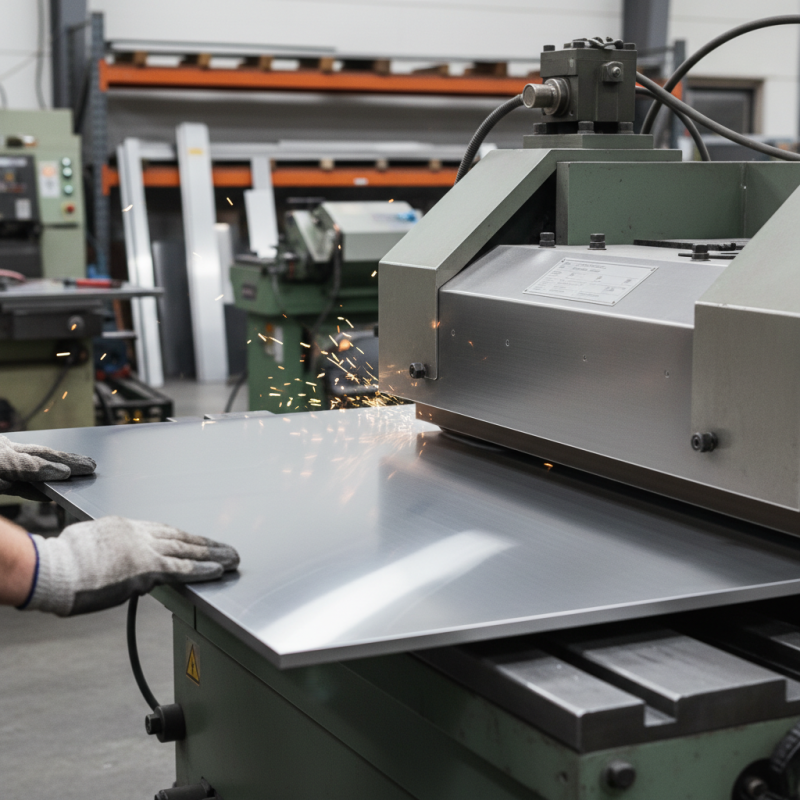
Metal sanding machines play a crucial role in achieving quality surface finishing. They enhance the aesthetic appeal of metal products while ensuring they meet industry standards. Research indicates that an efficient sanding process can improve surface roughness by up to 75%. This is vital in industries like automotive and aerospace, where precision is non-negotiable.
The choice of sanding machine can directly impact productivity and safety. For instance, using machines equipped with dust collection systems can reduce airborne particles by 90%. This results in a healthier work environment. However, not all machines are designed with these features. Poorly designed machines may lead to increased exposure to harmful substances. It's important for businesses to evaluate their equipment regularly.
Precision in sanding also affects the longevity of metal components. Studies show that rough surfaces can lead to accelerated wear. Thus, investing in high-quality metal sanding machines is not just about finishing quality—it's about ensuring product durability. Regular training for operators is equally essential. Without proper knowledge and skills, even the best machinery can fall short. The gap between machine capability and operator proficiency can lead to significant quality issues.
Key Features to Look for in a Quality Metal Sanding Machine
When choosing a metal sanding machine, several key features can significantly influence the quality of surface finishing. A powerful motor is essential, as it directly affects the sanding speed and efficiency. Machines with a motor power of at least 1 HP can handle tougher metals and deliver smoother finishes. Additionally, variable speed settings allow for customization based on the material and desired finish.
Another crucial feature to consider is the type of sanding belt used. Ceramic belts are often preferred due to their durability and effective material removal capabilities. Data from industry reports indicate that machines using high-grade ceramics can increase life span by 50% compared to standard options. Moreover, a good dust extraction system should not be overlooked. Maintaining a clean work environment improves air quality, which can enhance productivity and operator safety.
Ensuring a user-friendly design is also vital. Ergonomic handles and adjustable height options contribute to comfort during extended usage. However, even with the best machines, operators must keep an eye on maintenance. Ignoring regular checks can lead to decreased performance over time. Finding balance in all these features is essential for optimal results.
Best Metal Sanding Machine for Quality Surface Finishing
| Feature | Description | Importance |
| Motor Power | Higher motor power enables smoother sanding and faster material removal. | Crucial for efficiency and effectiveness of sanding process. |
| Belt Speed | Adjustable belt speed allows for customization based on material type. | Important for achieving desired surface finish. |
| Dust Extraction | Integrated dust collection systems keep workspace clean. | Maintains air quality and protects user health. |
| Sanding Belt Size | Wider belts cover more area and are more efficient. | Contributes to faster sanding processes. |
| Weight | Lighter machines are easier to maneuver, especially for extended use. | Enhances user comfort and reduces fatigue. |
| Portable Design | Compact and portable designs allow for easy transportation. | Ideal for onsite work and projects. |
Types of Metal Sanding Machines: A Comprehensive Overview
When it comes to metal sanding machines, several types offer unique advantages for effective surface finishing. Belt sanders are versatile and powerful. They excel in removing large amounts of material quickly. These machines are ideal for initial shaping and heavy-duty tasks. However, they can be challenging to control for delicate jobs and may require practice.
Disc sanders provide precision in smoothing metal surfaces. Their circular motion allows for an even finish. Users can easily switch out discs for different grits. This flexibility makes them suitable for various applications. Despite their benefits, they can be less effective on irregular shapes. Proper technique is crucial to avoid uneven results.
Orbital sanders fill a niche between belt and disc sanders. Their random orbit pattern minimizes swirl marks. They are great for achieving a polished look. However, they may not be as effective for heavy material removal. Careful consideration should be given to the type of project. Selecting the right sander is vital for achieving desired outcomes in metalworking.
Best Metal Sanding Machines for Quality Surface Finishing
Top Brands and Models for Quality Metal Sanding Solutions
When it comes to achieving a quality surface finish in metal, selecting the right sanding machine is crucial. The metalworking industry emphasizes the need for precision and efficiency. A recent report by the Metalworking Industry Metrics highlights that a significant portion, about 40%, of manufacturers experiences challenges in surface finishing. Top brands focus on innovation and user feedback to develop machines designed to tackle such challenges.
When choosing a metal sanding machine, understanding the different models available is key. Belt sanders offer speed and efficiency, while disc sanders provide precision for intricate work. These machines vary in power and features, influencing their effectiveness in different applications. Recent data indicate that nearly 70% of users prioritize durability in their choice, ensuring long-term investment in machinery.
Tip: Always consider the type of material you'll be sanding. Different metals require different grades of abrasives. Testing on scrap material can help avoid costly mistakes.
Another point to reflect on is maintenance. Many users overlook routine care, impacting machine performance over time. Keeping machines clean and lubricated can extend their lifespan significantly, based on studies indicating that well-maintained machines operate 30% more efficiently.
Tip: Create a maintenance schedule to ensure your machines remain in peak condition. Regular inspections can help prevent unexpected breakdowns.
Best Practices for Maintaining and Operating Metal Sanding Machines
Maintaining and operating metal sanding machines requires a keen understanding of best practices. Regular maintenance is crucial for performance. Inspect belts for wear and replace them as needed. This simple action can extend the life of your machine significantly.
Tips: Always clean the sanding area after use. Dust accumulation can affect both safety and performance. Use a vacuum or air compressor to clear debris effectively.
Adjust the speed settings based on the material's hardness. Softer metals may need slower speeds for optimal finishing. This prevents overheating and improves results. It’s essential to find the right balance to avoid damaging the surface.
Don’t overlook the importance of proper PPE (personal protective equipment). Safety glasses, gloves, and ear protection should be standard when operating sanding machines. A safe workspace fosters better results and prevents accidents. Remember, a well-maintained machine not only produces quality finishes but also ensures safe operation.